Credit Card Rewards Travel Hacking
Introduction to Credit Card Rewards
How Rewards Cards Work
Credit card rewards are a simple trade. You use a specific card for your purchases, and the bank gives you a small kickback. This isn't free money; it's a powerful marketing tool for card issuers. By offering rewards, they encourage you to choose their card over a competitor's and to use it more often.
Every time you swipe, tap, or click to pay, the merchant pays a small transaction fee to the card network and the issuing bank. A tiny piece of that fee is returned to you in the form of rewards. Over time, these small rewards can add up to significant value, like a free flight or cash back in your pocket.
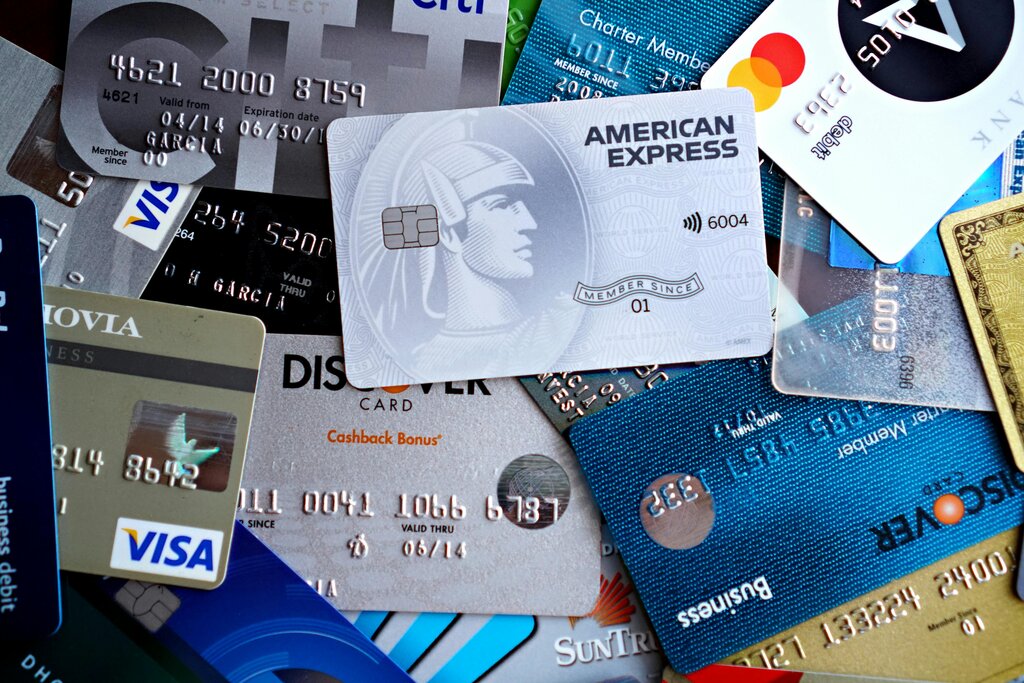
These rewards come in a few different forms, each with its own pros and cons. Understanding them is the first step to making them work for you.
The Three Flavors of Rewards
Most rewards fall into one of three main categories: cash back, points, or miles.
Cash Back is the most straightforward. For every dollar you spend, you get a certain percentage back. A card might offer a flat 1.5% back on all purchases, or it might have special categories, like 3% at grocery stores and 1% on everything else. This reward is simple to track and redeem, usually as a statement credit or a direct deposit.
If you value simplicity above all else, a cash-back card is often the best choice. What you see is what you get.
Points are a more flexible type of reward currency. You earn points for your spending, which can then be redeemed for various things through the card issuer's online portal. Options often include gift cards, merchandise, cash back, or booking travel. The value of a point can change depending on how you redeem it. For example, a point might be worth 1 cent when redeemed for cash but 1.5 cents when used to book a hotel through the bank's travel portal.
Miles are almost always geared toward travel. Historically, they were tied to a specific airline's frequent flyer program. You'd earn miles for flying with that airline or using its co-branded credit card. While that's still common, many general travel cards now offer their own "miles" that function like points but are best used for booking flights or hotels.
Earning and Choosing
You accumulate rewards in two main ways: through everyday spending and by taking advantage of special promotions. Most cards have a base earning rate, like one point per dollar spent. But the real power comes from bonus categories, where you can earn 3x, 4x, or even 5x the points on specific types of spending, such as dining, gas, or streaming services.
The fastest way to accumulate a large number of points is through a sign-up bonus. Card issuers often offer a big lump sum of points or miles if you spend a certain amount of money within the first few months of opening a new account.

This is why choosing the right card is so important. A card that offers 5x points on groceries is fantastic for a family, but it might not be the best fit for a single person who eats out most nights. The key is to match the card's bonus categories to your actual spending habits.
The best way to get started is to understand your spending patterns, think about what type of rewards you prefer and pick a program that offers ways to earn points that match your spending patterns and rewards that cater to your preferences.
Of course, rewards are only half of the story. You also need to consider the costs. Many premium rewards cards come with an annual fee. This fee can be well worth it if the card's benefits and your rewards earnings outweigh the cost. But if you're not taking full advantage of the card, you could be losing money.
Even more important is the interest rate, or APR. Rewards are only valuable if you pay your bill in full every month. The interest charges from carrying a balance will quickly wipe out any rewards you earn. A 2% cash back reward means little when you're paying 20% in interest.
Co-Branded Cards and Partnerships
Some credit cards are partnerships between a bank and another company, like an airline or a hotel chain. These are called co-branded cards. For example, you might see a Delta SkyMiles American Express card or a Marriott Bonvoy Chase card.
These cards are designed to reward loyalty to a specific brand. They typically offer the best earning rates when you spend money with that brand and often come with special perks, like free checked bags on flights or automatic elite status at hotels.

The downside is that your rewards are locked into that brand's loyalty program. If you get a United Airlines card, you'll earn United MileagePlus miles, which are great for booking flights on United and its partners, but not very useful if you decide you'd rather fly American. This makes them a great choice for brand loyalists, but less so for travelers who value flexibility.
Where does the money for your credit card rewards ultimately originate?
Which type of credit card reward is generally considered the most flexible, with a value that can change depending on how it's redeemed?
Now that you have the basics down, you can start thinking about how to apply them. It all begins with looking at where your money goes and what you want to get in return.