Credit Card Rewards for Travel Hacking
Understanding Credit Card Rewards
How Rewards Work
Credit card rewards seem like free money, but they're part of a well-oiled system. Every time you swipe your card, the merchant pays a small fee to the credit card company and the bank that issued your card. This is called an interchange fee.
A small piece of that fee is then returned to you in the form of rewards. It's a way for card issuers to encourage you to use their card over a competitor's or cash. By using your card for everyday purchases, you're constantly accumulating a small rebate on your spending.
This basic mechanism is the same whether you're earning cash back, points, or airline miles. The more you spend, the more rewards you can earn. Some cards even offer higher reward rates in specific categories, like groceries or gas, to encourage you to use their card for those purchases.
Points, Miles, or Cash Back?
Rewards come in three main flavors. While they all stem from the same system, they offer different kinds of value.
| Reward Type | What It Is | Best For |
|---|---|---|
| Cash Back | A direct percentage of your spending returned as cash or a statement credit. | Simplicity and flexibility. The value is straightforward. |
| Points | A flexible currency earned on purchases. Can be redeemed for travel, merchandise, gift cards, or cash back. | People who want multiple redemption options. The value can vary. |
| Miles | A type of point specifically for travel. Often tied to a specific airline or transferable to travel partners. | Frequent travelers who want to book flights or hotels with rewards. |
Cash back is the simplest form of reward. If your card offers 2% cash back, you get $2 back for every $100 you spend. It's predictable and easy to understand.
Points and miles offer more potential value but require a bit more effort. A point's value isn't fixed. Redeeming 10,000 points for a $100 gift card means each point is worth one cent. But redeeming those same points for a flight that would have cost $200 makes each point worth two cents. This is where the strategy of maximizing rewards comes in, though we won't dive deep into that here.
The best way to get started is to understand your spending patterns, think about what type of rewards you prefer and pick a program that offers ways to earn points that match your spending patterns and rewards that cater to your preferences.
Choosing the Right Card
The best rewards card for you is one that matches your life. Before picking a card, look at where your money goes. Do you spend a lot on dining out? A card that gives extra points at restaurants would be a great fit. Do you spend more on groceries and gas? Find a card that rewards those categories.
A card that offers 5x points on travel is useless if you rarely travel. A simple cash back card that gives a flat rate on everything might be more valuable in that case.
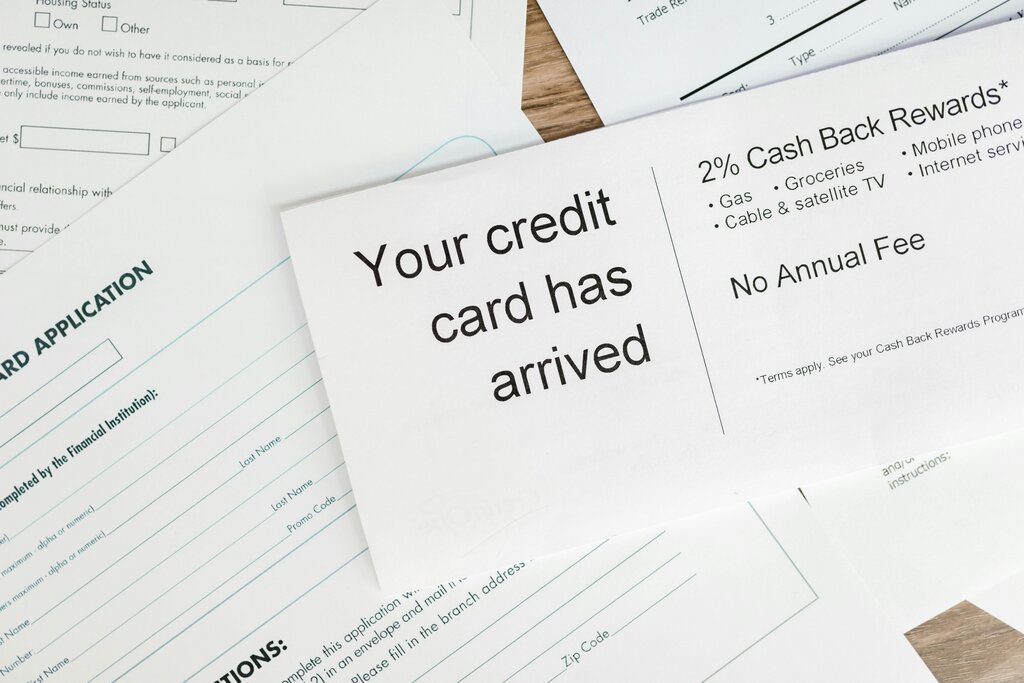
Beyond the rewards themselves, you have to consider the costs associated with the card. Two key factors are the annual fee and the interest rate.
annual fee
noun
A yearly charge by a credit card company for using their card. Cards with higher annual fees often come with better rewards or perks.
An annual fee can be worth it if the rewards and benefits you get are more valuable than the fee itself. For example, if a card with a $95 annual fee gives you perks worth $300, it's a good deal. But if you're not using the benefits, a no-fee card is the better choice.
More importantly, rewards are only valuable if you avoid interest charges. Credit card interest rates, or APRs, are notoriously high. If you carry a balance from one month to the next, the interest you pay can quickly wipe out the value of any rewards you've earned.
The golden rule of rewards credit cards: Always pay your balance in full and on time. Otherwise, the interest you pay will cost more than the rewards you earn.
With a good understanding of how rewards work and what to look for, you can make them a valuable part of your financial life. Let's review some key ideas.
Ready to check your understanding?
Where does the money for credit card rewards ultimately come from?
Which type of credit card reward generally offers the most straightforward, predictable value?
By aligning your card with your spending and always paying your bill in full, you can turn everyday expenses into valuable rewards.