Credit Card Rewards for Travel Hacking
Understanding Credit Card Rewards
What Are Credit Card Rewards?
Credit card rewards are perks you get for using your card. Think of it as a thank-you from the card issuer for your business. Every time you make a purchase, you earn a little something back. This can come in the form of cash, points, or airline miles.
The basic idea is simple: spend money, get rewards. But not all rewards programs are created equal. They're designed to fit different lifestyles and spending habits. The key is to find one that gives you the most value for the money you're already spending.
The Main Flavors of Rewards
Rewards programs generally fall into three categories: cash back, points, and co-branded. Each has its own strengths.
Cash back is the most straightforward option. Your card gives you back a percentage of what you spend, typically 1% to 2% on all purchases. Some cards offer higher rates, like 5%, in specific categories that might change every few months, such as groceries or gas.
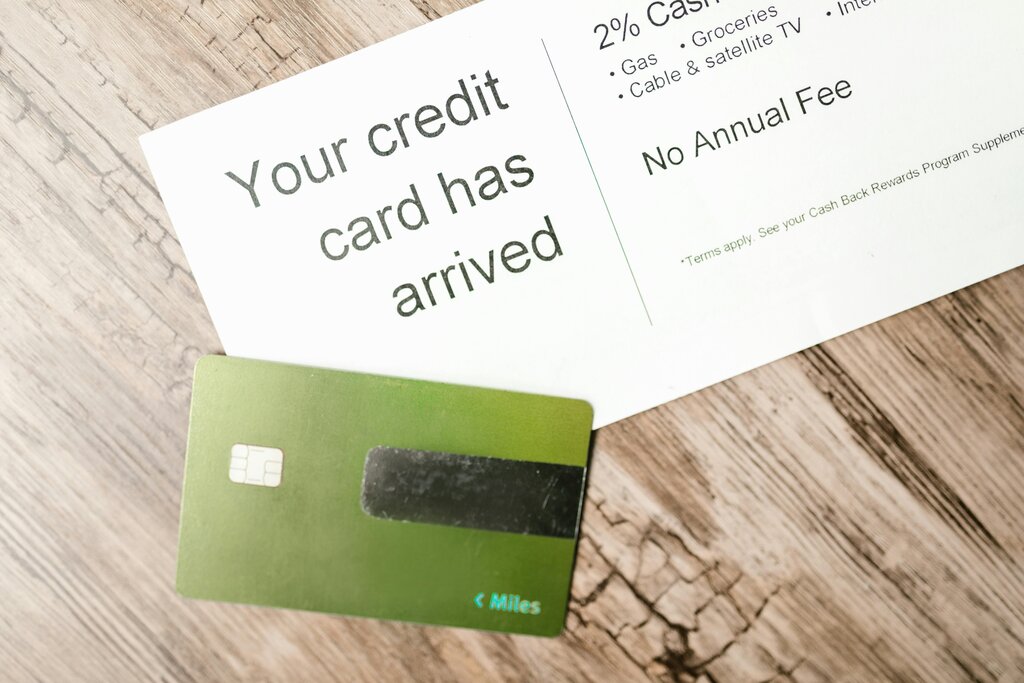
Points-based cards offer more flexibility. Instead of cash, you earn points for every dollar spent. These points can then be redeemed for a variety of things, like travel, gift cards, merchandise, or even a statement credit. The value of a point can vary depending on how you use it. For example, a point might be worth 1 cent as a statement credit but 1.5 cents when used to book a flight through the card's travel portal.
Some of the most valuable point systems are called transferable or flexible rewards. These allow you to move your points from the bank's program to a partner airline or hotel's loyalty program, which can sometimes unlock even greater value.
Multiple flexible rewards programs allow you to transfer points directly to a variety of airline and hotel partners.
Finally, co-branded cards are partnerships between a bank and a specific company, usually an airline or hotel chain. When you use one of these cards, you earn points or miles directly in that brand's loyalty program. These cards often come with special perks related to the brand, like free checked bags on a flight or a free hotel night each year.

| Reward Type | Best For | Key Feature |
|---|---|---|
| Cash Back | Simplicity and predictable returns. | Receive a percentage of your spending as cash or statement credit. |
| Points | Flexibility and potentially high value, especially for travel. | Redeem points for travel, gift cards, merchandise, or cash. |
| Co-branded | Loyalty to a specific airline or hotel. | Earn rewards in a specific loyalty program and get brand-specific perks. |
How to Pick the Right Card
Choosing the right rewards card starts with looking at your own spending. There's no single "best" card, only the best card for you.
The best way to get started is to understand your spending patterns, think about what type of rewards you prefer and pick a program that offers ways to earn points that match your spending patterns and rewards that cater to your preferences.
Start by asking yourself a few questions:
- Where does most of my money go? If you spend a lot on dining out and groceries, look for a card with bonus rewards in those categories. If you're a frequent traveler, a travel-focused card makes more sense.
- What kind of reward do I want? Do you prefer the simplicity of cash back, or are you willing to learn the ins and outs of a points program to book a dream vacation?
- Am I loyal to a specific brand? If you always fly one airline or stay at one hotel chain, a co-branded card could be a great fit. If you like to shop around, a flexible points card is a better choice.
Read the Fine Print
Before applying for a card, it's crucial to understand its terms and conditions. This is where you'll find the details that determine the true value of the rewards program.
Pay close attention to a few key areas:
- Annual Fee: Many premium rewards cards charge an annual fee. Make sure the value you get from the rewards and perks is more than the fee you pay.
- Interest Rates (APR): The value of any rewards you earn can be wiped out by interest charges if you carry a balance from month to month. Rewards cards are most valuable when you pay your bill in full every time.
- Earning Caps: Some cards limit the amount of bonus rewards you can earn in a certain category or time period.
- Expiration: Do your points or miles expire? Some do, especially if your account is inactive for a long time. It's important to know the policy so you don't lose your hard-earned rewards.
Understanding these details helps you use your card wisely and avoid any unwelcome surprises.
Credit card rewards programs generally fall into which three main categories?
If you are loyal to a specific hotel chain and want perks like late check-out and room upgrades, which type of rewards card is most likely the best fit for you?
By matching your spending habits with the right type of card and understanding its rules, you can turn everyday purchases into valuable rewards.