Credit Card Essentials
Credit Card Basics
What Is a Credit Card?
A credit card is a tool that lets you borrow money to make purchases. Think of it as a pre-approved, short-term loan. Instead of carrying cash, you can use a plastic card to pay for things. The bank or financial institution that gives you the card pays the merchant, and you pay the bank back later.
The main purpose is convenience and flexibility. You can buy things now and pay for them over time. This is different from other payment methods where the money comes directly out of your account.
The Key Players
Every time you use your credit card, several parties work together behind the scenes. It might seem like a simple swipe or tap, but it's a coordinated effort.
Here's who's involved:
- The Cardholder: That's you, the person using the card.
- The Merchant: The store or business where you're making a purchase.
- The Issuer: The bank or financial institution that issued you the credit card (like Chase, Bank of America, or a local credit union). They're the ones lending you the money.
- The Network: Companies like Visa, Mastercard, American Express, or Discover. They operate the networks that process the payments between the merchant and the issuer.
How a Transaction Works
When you pay with your credit card, a three-step process happens in seconds.
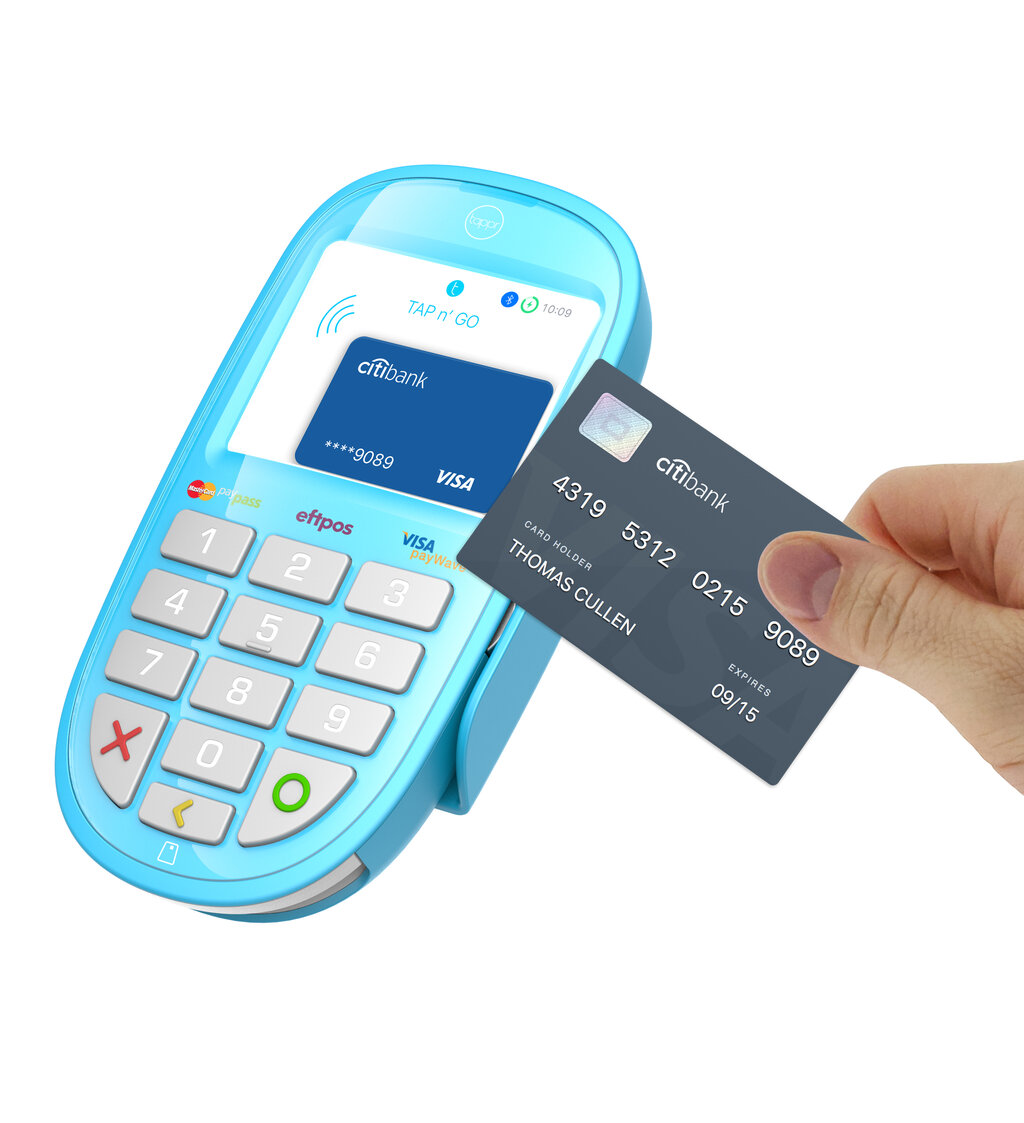
1. Authorization You tap, insert, or swipe your card. The merchant's payment terminal sends your card information through the payment network to your issuer. The issuer checks if your account is valid and if you have enough available credit. If everything looks good, they send an approval message back to the merchant. This all happens almost instantly.
2. Authentication During the authorization step, the system also confirms it's really you. This can be done by entering a PIN, signing a receipt, or through the security features of the card's chip. For online purchases, you might enter your card's security code (the CVV).
Authentication is the security check that helps prevent fraud.
3. Settlement This is when the money actually moves. It doesn't happen at the moment of purchase. At the end of the day, the merchant sends a batch of all its approved transactions to their bank. Their bank then requests the money from the card issuers through the payment network. The issuer sends the funds, and the merchant gets paid. Finally, the transaction appears on your credit card statement, and you owe the issuer that money.
Credit vs. Debit
It's easy to mix up credit and debit cards since they look and work similarly at the checkout counter. But they are fundamentally different in one key way: where the money comes from.
| Feature | Credit Card | Debit Card |
|---|---|---|
| Source of Funds | A line of credit (a loan) | Your checking account |
| Payment | You pay the issuer back later | Money is deducted immediately |
| Impact | Builds your credit history | Does not build credit history |
| Protection | Strong fraud protection | Limited fraud protection |
A debit card is like using digital cash. The money is yours. A credit card is about borrowing. You are spending the bank's money, which you have to pay back. Understanding this distinction is the first step in using credit responsibly.
Ready to check your understanding?
What is the primary function of a credit card?
In a credit card transaction, which entity is responsible for issuing the card and lending you the money?
Now you know the essential pieces of the credit card puzzle. You understand what a card is, who the main players are, and what happens every time you make a purchase.