Credit Card and Airline Points Maximization
Understanding Credit Card Rewards
The Basics of Rewards
Credit card rewards are perks you earn for using your card. For every dollar you spend, the card issuer gives you a little something back. These rewards usually come in the form of points, miles, or cash back. Think of it as a loyalty program, but for your wallet.
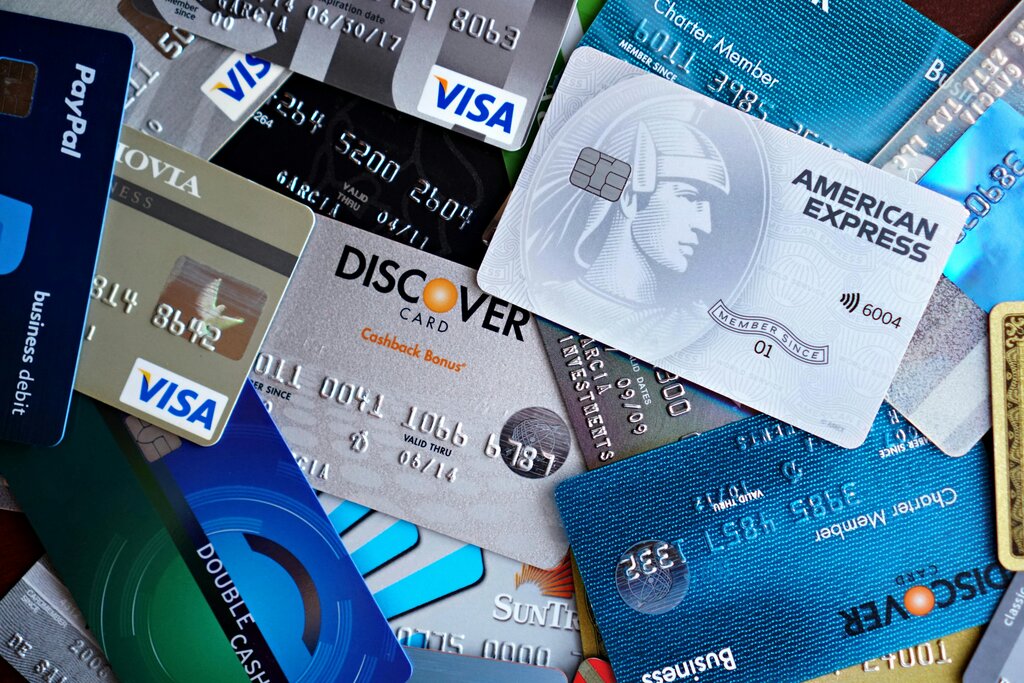
The goal is simple: accumulate these rewards through your everyday spending and eventually use them for things like flights, hotel stays, or a statement credit that reduces your bill. The key is that you're earning value on purchases you were going to make anyway.
How You Earn
Not all spending is created equal in the world of rewards. How many points or miles you earn is determined by two key things: earning rates and bonus categories.
Nearly every rewards card has a base earning rate, which is the minimum you'll earn on any purchase. This is often 1 point or 1 mile per dollar spent. But the real power comes from bonus categories.
Bonus categories are specific types of spending where your card offers an accelerated earning rate, like 3 points per dollar on dining or 5 points per dollar on flights.
For example, a card might offer:
- 5x points on travel booked through its portal
- 3x points on dining and streaming services
- 1x point on everything else
If you spend $100 on dinner, you’d earn 300 points. If you spend that same $100 on clothes (which falls under "everything else"), you'd only earn 100 points. The secret to accumulating rewards quickly is to use a card with bonus categories that match where you spend the most money.
Types of Rewards Programs
Rewards aren't a one-size-fits-all deal. They generally fall into one of two main camps: flexible bank programs or co-branded airline and hotel programs.
Co-branded
adjective
A partnership between a bank (like Chase or American Express) and a specific travel company (like United Airlines or Hilton Hotels).
Cards with flexible points systems earn a universal rewards currency, like Chase Ultimate Rewards® or American Express Membership Rewards®. These points are valuable because of their flexibility; you can use them in many different ways, which we'll cover later. They aren't tied to a single airline or hotel chain.
Co-branded cards, on the other hand, earn points or miles directly with a specific brand. For instance, a Delta SkyMiles® credit card earns SkyMiles, and a Marriott Bonvoy™ card earns Bonvoy points. These cards often come with brand-specific perks like free checked bags or automatic hotel status, but your rewards are locked into that one company's loyalty program.
| Program Type | How Points are Earned | Key Feature |
|---|---|---|
| Flexible Points | A general currency (e.g., Ultimate Rewards) | High flexibility; not tied to one brand |
| Co-Branded | A specific currency (e.g., SkyMiles) | Brand-specific perks and benefits |
Choosing between them depends entirely on your goals and habits. Do you always fly one airline? A co-branded card might be perfect. Do you prefer to shop around for the best travel deals? A flexible points card is likely a better fit. The most important step is to look at your own budget and see where your money goes each month. That's how you'll find the right card to maximize your rewards.
Utilizing cards with bonus categories that align with your spending habits can help earn rewards faster.
Now that you understand the basics of earning rewards, let's test your knowledge.
What is the primary way to earn credit card rewards at an accelerated rate?
A credit card offers 5x points on flights, 3x points on dining, and 1x points on all other purchases. If you spend 50 on dinner, how many total points will you earn?