Credit Building for Newcomers
Understanding Credit Basics
What Is Credit?
In the United States, credit is a tool that lets you borrow money to buy something now, with the promise to pay it back later. Think of it as a form of financial trust. Lenders, like banks, trust you to repay what you owe, usually with an extra fee called interest.
Credit
noun
The ability to obtain goods or services before payment, based on the trust that payment will be made in the future.
This system is central to many parts of American life. You use credit for big purchases, like a house or a car. But it's also often required for renting an apartment, getting a cell phone plan, or even setting up utilities like electricity and internet service. Having access to credit makes these things possible without needing to pay the full amount all at once.
Your Financial Report Card
A credit score is a number that acts like a report card for your financial life. It tells lenders how reliable you are at paying back money. This number usually ranges from 300 to 850. A higher score means you are seen as less risky, which makes lenders more willing to work with you.
A high credit score shows you have a history of responsible borrowing. A low score might suggest you've had trouble paying debts in the past.
This score isn't random. It's calculated from information in your credit history, which is a record of how you've used credit over time. The main factors that make up your score are:
| Factor | What It Means | Importance |
|---|---|---|
| Payment History | Do you pay your bills on time? | Very High |
| Amounts Owed | How much of your available credit are you using? | High |
| Length of History | How long have you been using credit? | Medium |
| New Credit | Have you recently applied for a lot of new credit? | Low |
| Credit Mix | Do you have different types of credit (cards, loans)? | Low |
Your payment history is the single most important piece of this puzzle. Consistently paying your bills on time is the best way to show you are trustworthy.
The Keepers of Your History
So who keeps track of all this information? In the U.S., there are three large, independent companies called credit bureaus. Their job is to collect and maintain credit information on consumers.
The three major credit bureaus are:
- Equifax
- Experian
- TransUnion
When you open a credit card or take out a loan, the lender reports your activity, like your payments and balances, to these bureaus. The bureaus then compile this data into a detailed document called a credit report. Your credit score is calculated based on the information in your credit report from one or all of these agencies.
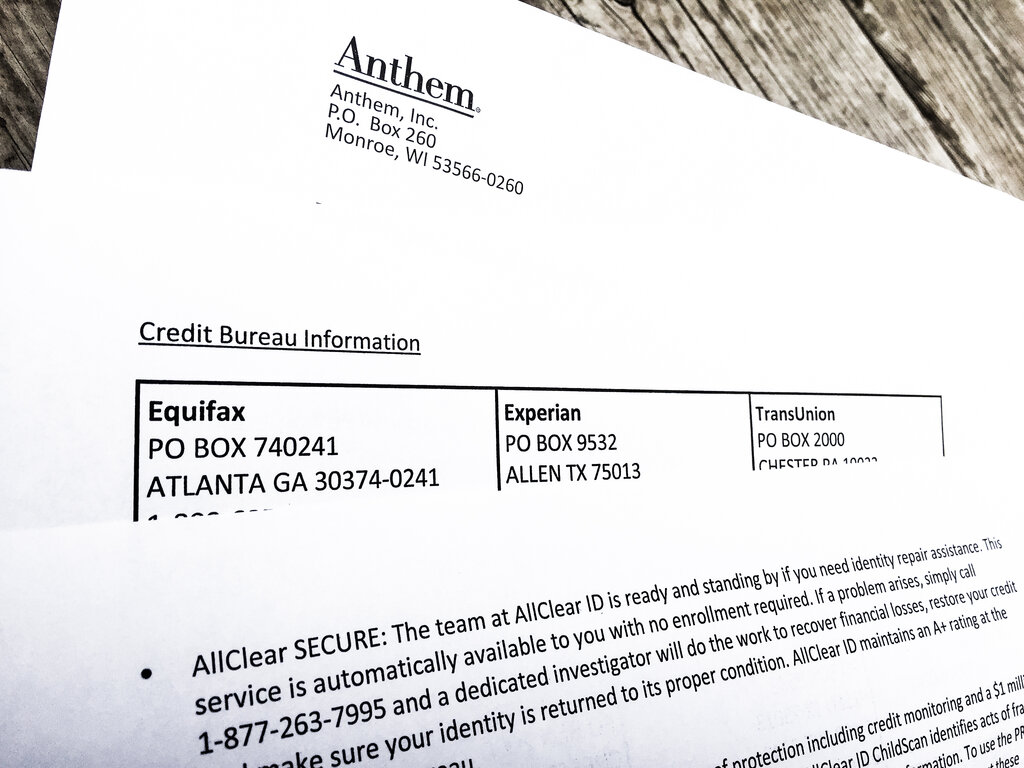
Lenders, landlords, and others will check your credit report and score to make decisions about you. It’s important to know that you have the right to check your own credit report for free to make sure the information is accurate.
Why Your Credit Matters
Understanding credit is crucial because a good credit history opens doors. It's not just about borrowing money. It's about building a stable financial life in a new country.
Your credit score is vital for accessing financial opportunities like loans and mortgages, and it’s built by responsible credit use, including on-time payments and low credit utilization.
With a good credit history, you are more likely to be approved for loans and credit cards. Even better, you will often get lower interest rates, which means borrowing money costs you less over time. A landlord might check your credit before agreeing to rent you an apartment. A mobile phone company might waive a security deposit if you have a solid credit history.
Simply put, building a positive credit history is a key step toward achieving your financial goals in the United States.
What is the primary purpose of credit in the U.S. financial system?
The single most important factor that influences your credit score is your payment history.