Creative Workplace Safety
Introduction to Creative Media Workplace Hazards
Beyond the Script
Creative workplaces like film sets and production studios are buzzing with energy and innovation. But beneath the glamour, these environments have their own unique set of risks. Understanding these potential dangers is the first step toward a safe and successful production. Let's explore the three main types of hazards you might encounter: physical, chemical, and ergonomic.
Physical Hazards on Set
A production set is a constantly changing environment. Heavy lights are suspended overhead, cameras glide on dollies, and cables snake across the floor. This dynamic nature creates a number of physical risks.
Slips, trips, and falls are the most common injuries. With countless wires, props, and set pieces, it’s easy to lose your footing. Another major concern is falling objects. A poorly secured light, piece of scenery, or tool can cause serious harm if it comes loose.
Electricity is everywhere, powering cameras, lights, and sound equipment. Complex wiring setups can increase the risk of electrical shocks or even fires if not managed carefully. Finally, moving equipment like camera cranes and dollies can pose a collision hazard to unwary crew members.
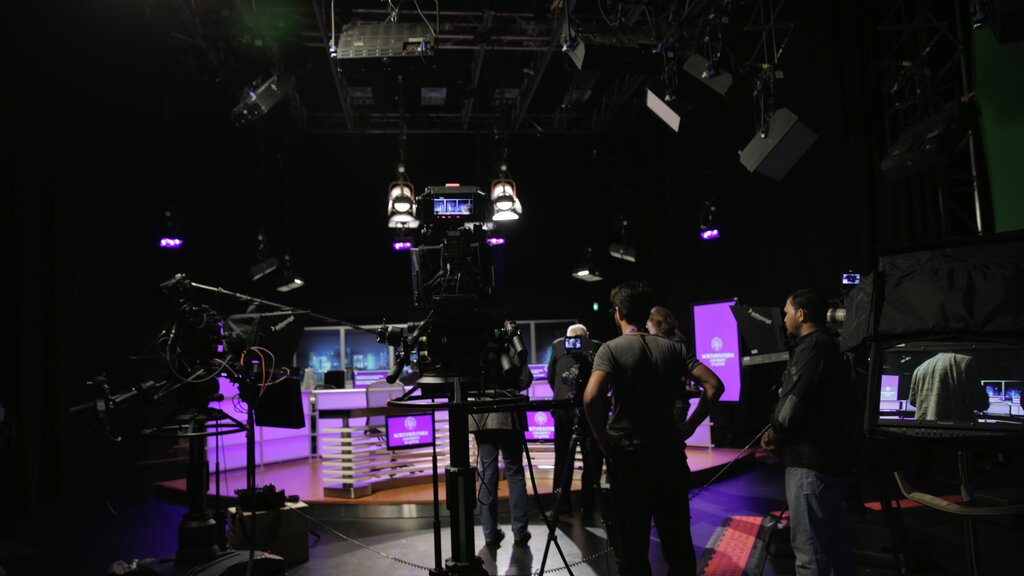
On a busy set, the biggest dangers are often the most ordinary: a stray cable, a loose light, or a piece of moving equipment.
Chemical Exposures
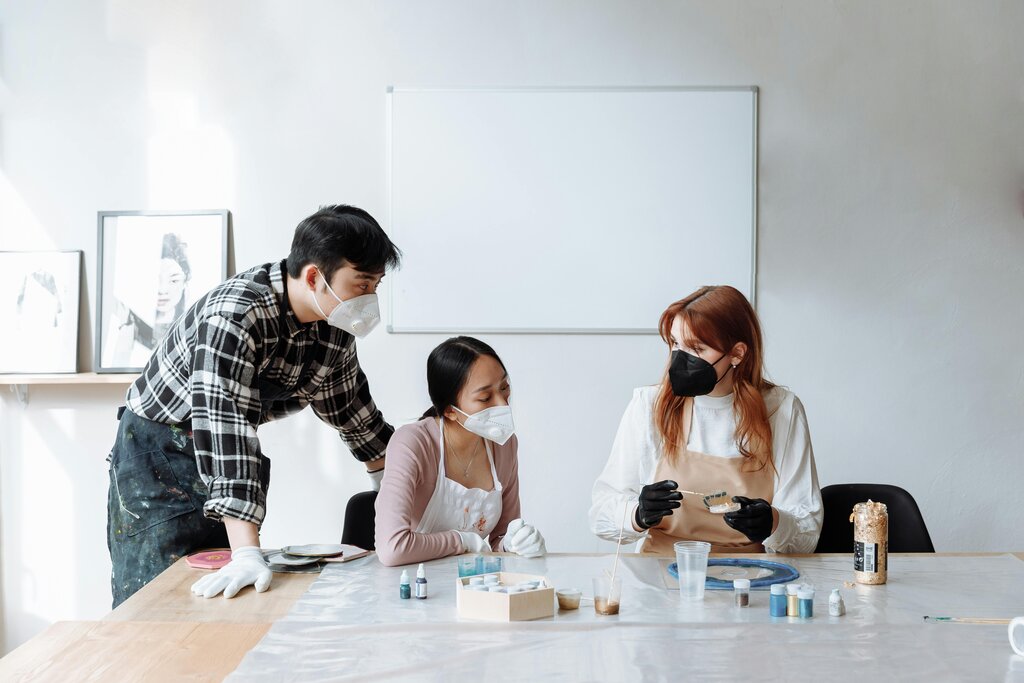
The magic of movie-making often relies on materials that can be harmful. The art department frequently uses paints, solvents, glues, and foams to build sets and props. Many of these release volatile organic compounds (VOCs), which are chemicals that can become airborne and cause respiratory irritation or other health issues, especially in poorly ventilated spaces.
Special effects are another source of chemical exposure. The smoke and fog used to create atmosphere are generated from chemical fluids, which can be irritating to the lungs, eyes, and throat. Even the makeup department isn't without risk; some cosmetics and adhesives used for prosthetics can cause allergic reactions or skin irritation.
Ergonomic Challenges
Ergonomic hazards are injuries that result from physical stress on the body. They are subtle, developing over time from repetitive motions, awkward postures, or heavy lifting. In media production, these are incredibly common.
Camera operators, for example, often hold heavy equipment in awkward positions for hours at a time, leading to back, neck, and shoulder strain. Sound engineers holding boom mics for long takes face similar issues. Even editors, who spend their days sitting at a desk, are at risk for repetitive strain injuries like carpal tunnel syndrome from constant mouse and keyboard use.
| Role | Common Ergonomic Risk | Affected Body Part |
|---|---|---|
| Camera Operator | Holding heavy, unbalanced gear | Back, Shoulders, Arms |
| Boom Operator | Extending arms overhead for long periods | Shoulders, Neck |
| Video Editor | Repetitive clicking and typing | Wrists, Hands, Back |
These injuries don't happen all at once, which makes them easy to ignore until the pain becomes chronic. Recognizing the physical demands of each role is key to preventing long-term harm.
Now that you can spot these different types of hazards, let's test your knowledge.
Which of the following is the most common cause of injury on a dynamic film set?
Volatile organic compounds (VOCs) are a type of chemical hazard often found on sets. Which department's work is most likely to release VOCs?
Being aware of physical, chemical, and ergonomic risks is the foundation of workplace safety in any creative environment.