Creative Healthy Cooking and Food Science
Introduction to Novel Flours
Flour Beyond the Usual Grains
When you think of flour, your mind probably jumps to the fine white powder made from wheat. For centuries, that’s been the foundation of countless breads, pastries, and pastas. But the world of flour is much wider than just wheat, rye, or barley. There’s a whole category of alternatives known as novel flours.
These are flours ground from non-traditional sources. Think legumes like chickpeas, nuts like almonds, seeds like flax, and even root vegetables like cassava. They're not just substitutes for people with gluten sensitivities; they open up a new world of flavors, textures, and nutrients for any home cook or baker.
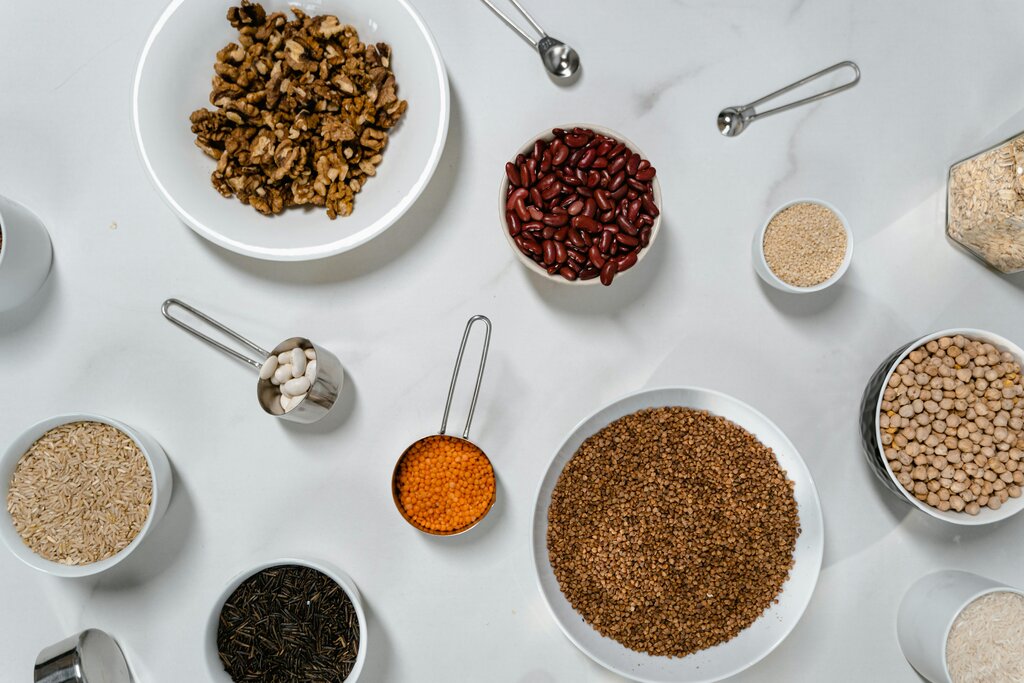
This variety is the key. Instead of relying on a single type of flour, you can choose one that perfectly suits what you’re making. Looking for a nutty flavor for cookies? Almond flour is a great choice. Need a sturdy, protein-packed base for a savory flatbread? Chickpea flour works wonders.
A Nutritional Upgrade
One of the biggest draws of novel flours is their nutritional profile. Because they come from such a diverse range of plants, they bring different strengths to the table. Many are nutritional powerhouses compared to standard all-purpose flour.
Swapping a portion of traditional flour for a novel one can be a simple way to boost the protein and fiber in your favorite recipes.
Legume flours, like those from chickpeas and lentils, are packed with protein and dietary fiber, which can help you feel full longer. Nut and seed flours, such as almond and flaxseed meal, offer healthy fats, vitamins, and minerals. Some, like buckwheat flour, even contain unique bioactive compounds like antioxidants that you won't find in refined wheat flour.
Let's see how a few common options stack up against traditional all-purpose wheat flour.
| Flour Type | Key Nutritional Benefit |
|---|---|
| Chickpea Flour | High in protein and fiber |
| Almond Flour | Good source of healthy fats and Vitamin E |
| Coconut Flour | Exceptionally high in fiber |
| Buckwheat Flour | Rich in minerals and antioxidants |
| All-Purpose Flour | Fortified with iron and B vitamins |
New Functions in the Kitchen
Novel flours do more than just add nutrients; they change how food behaves during cooking and baking. Their unique properties can completely transform the final product. Understanding these functional roles is key to getting the results you want.
Some flours are incredibly absorbent. Coconut flour, for example, soaks up a huge amount of liquid. This means you need to use much less of it compared to wheat flour, but you'll also need to increase the liquids in your recipe to avoid a dry, crumbly result. This absorbency, however, can create wonderfully moist cakes and muffins.
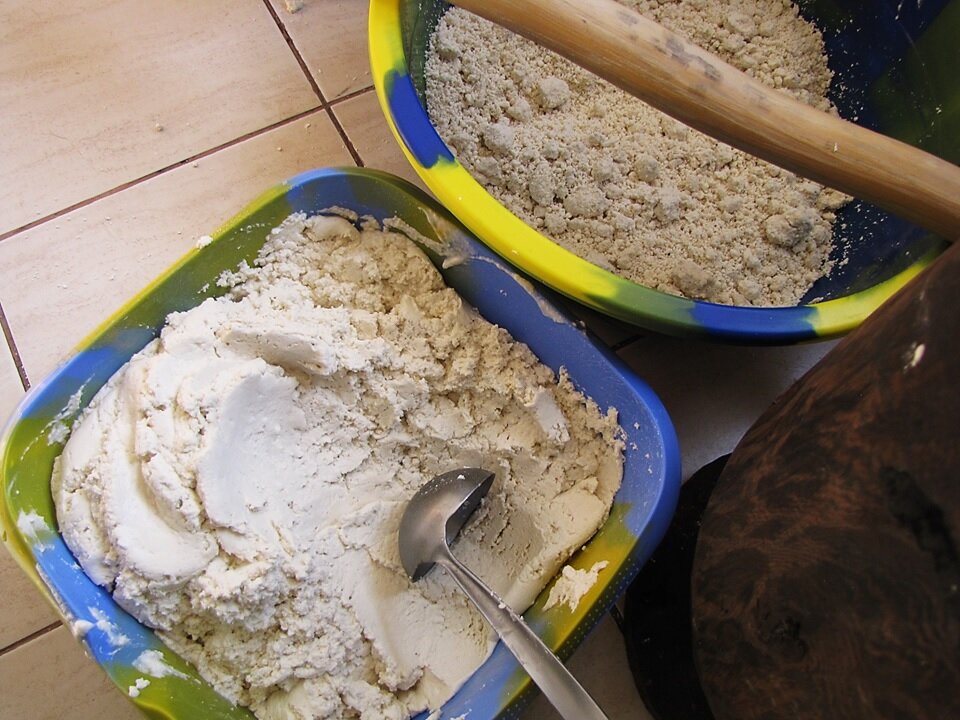
Other flours impact texture. The fine grind of almond flour can create a tender, delicate crumb in pastries. Root vegetable flours like cassava or tapioca can add a chewy, elastic quality, making them perfect for gluten-free breads or flatbreads.
They also bring their own distinct flavors. Almond flour adds a sweet, nutty taste, while chickpea flour has a savory, earthy flavor. These aren't just background notes; they become an integral part of the dish's flavor profile. This allows you to build layers of flavor right from the base ingredients.
Embrace Whole Foods: The foundation of vegan cooking lies in whole, plant-based foods such as fruits, vegetables, grains, legumes, nuts, and seeds.
By understanding these properties, you can start to see novel flours not just as replacements, but as powerful ingredients in their own right.
Which of the following best defines "novel flours"?
If a recipe calls for a flour that provides a tender, delicate crumb for pastries and has a sweet, nutty flavor, which novel flour would be the best choice?
Exploring these alternative flours can make your time in the kitchen more creative, nutritious, and delicious.