Creating Your Own Job Opportunities
Self-Assessment
Know Thyself, Know Thy Path
Before you can find a fulfilling career, you have to understand what fulfillment means to you. This isn't about looking at job listings or polishing your resume. It's about looking inward. A thoughtful self-assessment is the foundation for every career decision you'll make. It acts as your personal compass, ensuring the path you choose aligns with who you are.
This activity is about self reflection, recognizing interests, values, and abilities, and deciding which of those interests, values, and abilities are important to connect to a future career, and which may not be important to a career (but can still be important in life!)
Think of it like building a house. You wouldn't start ordering windows and doors without a blueprint. Self-assessment is the process of drawing that blueprint based on your unique materials.
Your Personal Inventory
A thorough self-assessment looks at three main areas: your skills, your interests, and your values. Let's break down each one.
First up are skills. These are the things you can do. It's important to be honest about both your strengths and your weaknesses. A strength is a skill that comes naturally to you, something you excel at. A weakness isn't a flaw; it's simply an area where you have less experience or aptitude. Knowing both gives you a realistic picture of your capabilities.
Skills can be broken down into two categories:
Hard skills
noun
Specific, teachable abilities that can be defined and measured, like typing, writing, math, reading and the ability to use software programs.
Soft skills
noun
Personal attributes that enable someone to interact effectively and harmoniously with other people. Also known as interpersonal skills.
To start identifying yours, think about past projects at work or in school. What tasks did you complete easily and successfully? Those point to your strengths. What parts felt like a constant struggle? Those might be weaknesses or simply skills you haven't developed yet.
Beyond What You Can Do
Next, consider your interests and passions. These are the activities and topics that energize you. Just because you're good at something doesn't mean you enjoy it. A career built only on skills you dislike is a recipe for burnout.
Ask yourself:
- What subjects do you read about in your free time?
- What problems do you find yourself wanting to solve?
- What kind of conversations leave you feeling excited and engaged?
The answers don't have to be directly 'work-related.' A passion for organizing community events could point to a strength in project management. An interest in video games might highlight an aptitude for systems thinking and strategy.
Finally, clarify your core values and work preferences. Values are your fundamental beliefs, the principles that guide your life. In a work context, they might include things like financial security, helping others, creativity, or independence. Your work preferences are the practical conditions you need to thrive. Do you prefer collaborating with a team or working alone? Do you want a structured 9-to-5 schedule or the flexibility of remote work? A job that clashes with your core values or preferences will always feel like a poor fit, no matter how good it looks on paper.
| Category | Guiding Questions |
|---|---|
| Values | What is most important to me in life? What principles do I want my work to reflect? Do I value stability, innovation, community impact, or wealth? |
| Work-Life Balance | How many hours am I willing to work? Is it important to have nights and weekends free? Do I need a job I can leave at the office, or do I enjoy work that blends with my life? |
| Environment | Do I thrive in a fast-paced, high-pressure setting or a calm, predictable one? Do I prefer a corporate office, a small startup, or working from home? |
| Interaction | Do I enjoy working with people all day, or do I need significant quiet time to focus? Do I prefer teamwork or individual projects? |
Putting It All Together
Once you've reflected on your skills, interests, and values, you can start to see patterns. You might notice that your love for storytelling (interest), your skill in writing (strength), and your desire for a flexible schedule (preference) all point toward a career like freelance writing or content creation.
Various self-assessment tools can help structure this process. These aren't magic tests that will tell you your perfect job. Instead, they provide a framework for your reflection.
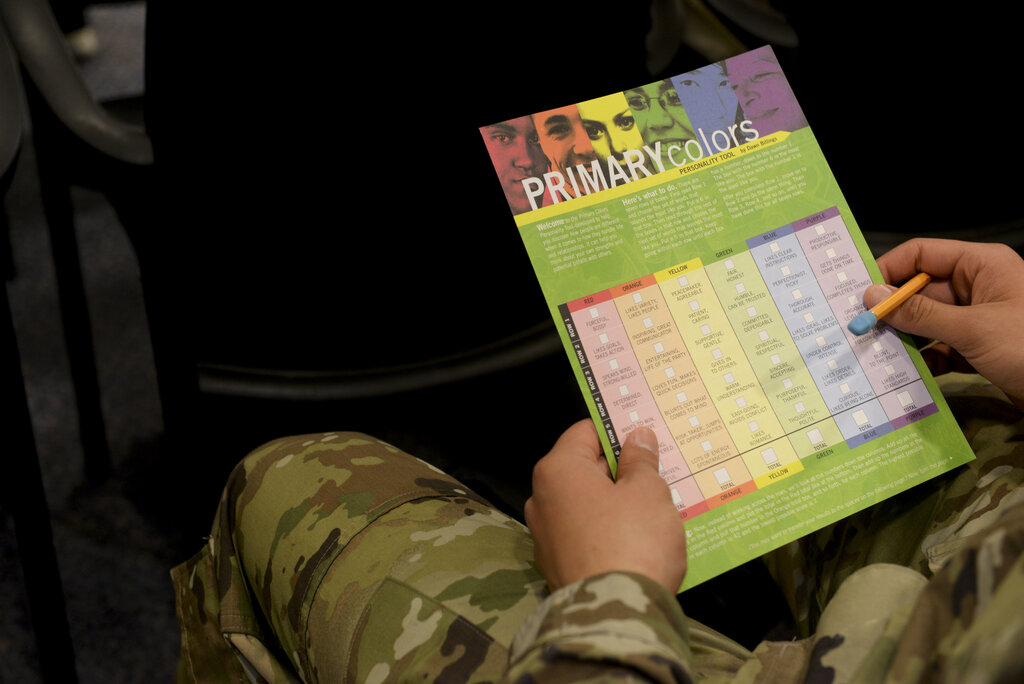
Common tools include:
- Personality Tests: The Myers-Briggs Type Indicator (MBTI) or the Big Five inventory can offer insights into your personality traits and how they might fit with different work environments.
- Interest Inventories: The Strong Interest Inventory or the Holland Code (RIASEC) test helps match your interests with potential career fields.
- Strengths Assessments: Tools like the CliftonStrengths (formerly StrengthsFinder) focus on identifying your natural talents.
Use these tools as a starting point. They give you language and ideas to explore, but the most important insights will come from your own honest reflection.
Ready to see how well you've grasped these concepts? Let's try a few questions.
According to the provided text, what is the primary purpose of a self-assessment in career planning?
A person is skilled at data analysis but finds the work tedious and unengaging. Instead, they spend their free time organizing community fundraising events, which they find exciting. This situation highlights the importance of considering which two components of self-assessment?
The goal of self-assessment is to create a clear, honest snapshot of who you are right now. This understanding is the essential first step in navigating your career path with confidence and purpose.