Creating AI YouTube Vlogs
Persona and Character Design
Crafting Your Digital Self
Before generating a single pixel, you need to define your AI's core identity. This isn't just about looks; it's about personality. Who is your AI presenter? Are they a witty history buff, a calm and patient coding instructor, or a sarcastic critic of pop culture? This persona dictates your channel's tone, scripting style, and how you engage with your audience. Think of it as casting the main character for your show.
Develop a Unique Personality for Your AI When creating your AI character, flesh out their personality in detail.
A strong persona has a consistent voice. If your AI is a cheerful science educator, its language should be accessible and enthusiastic. If it's a stoic philosopher, its tone might be more measured and formal. This voice must be consistent across every script and interaction. To solidify this identity, start with a moodboard. Collect images, color palettes, and even fonts that capture your desired aesthetic. This visual guide will be invaluable when you start generating your avatar.
The First Spark of Creation
With a clear persona, it's time to create your avatar's 'base image'. This is the foundational portrait that defines their features and style. High-fidelity image generators like Midjourney or FLUX.1 are the tools for this job. Your goal is to craft a detailed text prompt that brings your moodboard and persona to life. Don't just say "a woman"; describe her heritage, expression, the lighting, the art style (e.g., 'photorealistic, cinematic lighting, 35mm film still'), and even the camera angle.
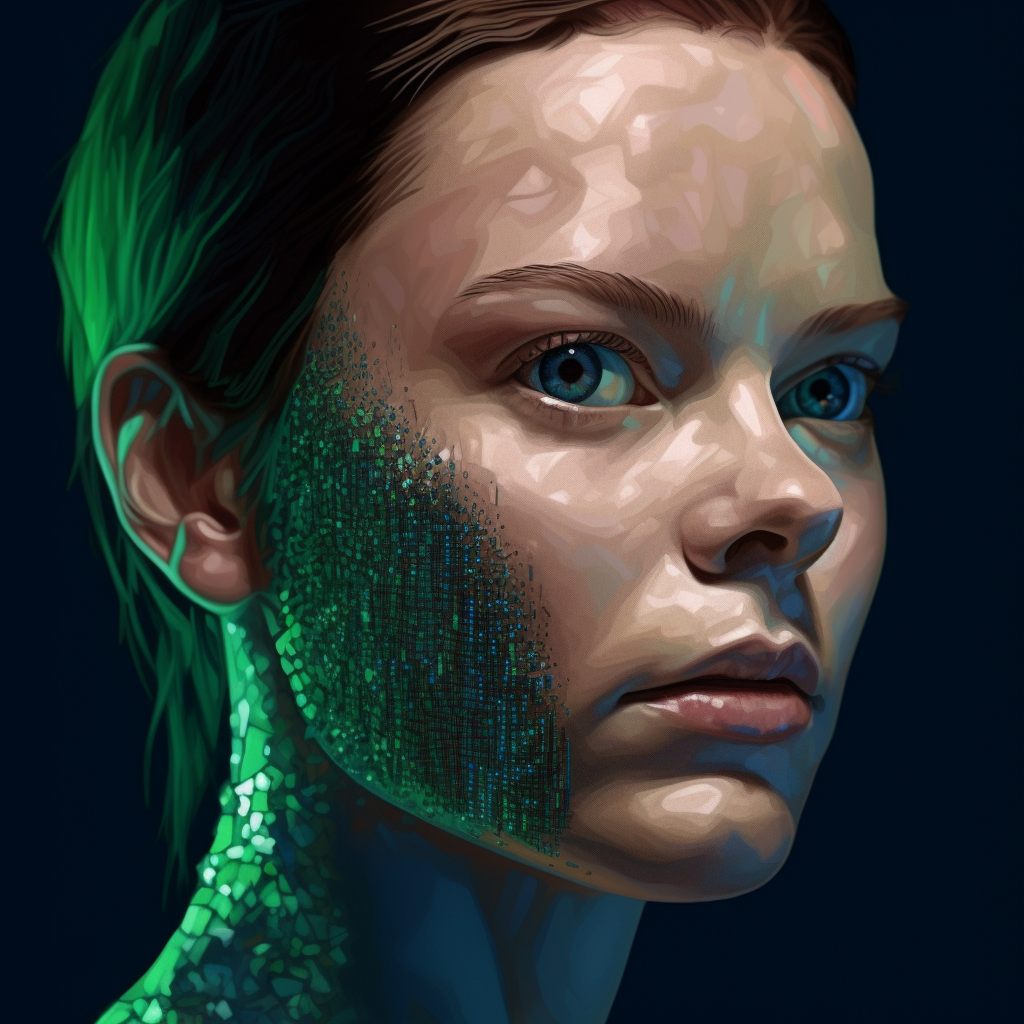
A good prompt might be: "Headshot of a friendly female android, mixed Southeast Asian and Northern European heritage, with subtle glowing circuitry on her temples, soft studio lighting, high detail, photorealistic." Run this prompt multiple times, tweaking words until you get an image that perfectly captures your vision. This will be your cornerstone image.
Keeping Your Character Consistent
One of the biggest challenges in AI video creation is maintaining a consistent character. You don't want your avatar morphing into a different person in every shot. This is where technical consistency tools come in. The two most crucial are seed numbers and character references. A seed number is a starting value for the random noise that an AI uses to begin generating an image. By using the same seed number across different prompts, you can achieve a similar style and composition, though it doesn't guarantee facial identity.
For true character lock-in, you need a feature like Midjourney's Character Reference, or --cref. You provide the AI with a URL to your base image and add --cref URL to your new prompt. For example: "A friendly female android laughing, --cref [URL of base image]". The AI will then try to match the face, hair, and clothing from your reference image. It's a powerful way to generate your character in different poses and emotional states while keeping their identity stable.
Realism vs. Style
A major decision is whether to create a hyper-realistic human avatar or something more stylized and non-human. A realistic avatar can build trust and relatability, making viewers feel like they're connecting with a person. However, it also brushes up against the uncanny valley and can feel deceptive if not disclosed properly. YouTube's policies require disclosure for realistic AI-generated content that could be mistaken for a real person.

A stylized avatar, like an animated character or a robot, avoids this issue entirely. It sets clear expectations with the audience that they are watching created content. This can foster a different kind of connection, built around brand creativity and world-building rather than realism. The trade-off is that it may feel less personal to some viewers. Your choice depends on your channel's goals: do you want to be a relatable guide or a unique animated personality?
Ultimately, designing an AI persona is a blend of creative vision and technical skill. By defining your character's voice, moodboarding the aesthetic, and mastering consistency tools, you can create a compelling digital host that audiences will want to tune in for.