Create and Sell Your Short Course
Identifying Profitable Course Topics
Start With What You Know
The best course topics are born from a combination of genuine interest and deep knowledge. It's far easier to create compelling content and stay motivated when you're teaching something you're passionate about. Your enthusiasm will be contagious and will make the learning experience better for your students.
Start by looking inward. What subjects could you talk about for hours? What skills do your friends, family, or colleagues ask for your help with? Make a list of your hobbies, your professional skills, and any topic where you're the go-to expert in your circle. Don't filter yourself yet. The goal is to generate a broad list of possibilities.
Find the Market Need
Passion and expertise are essential, but they don't guarantee a successful course. You need to find a topic that people are actively seeking solutions for and are willing to pay for. This is where market research becomes your most valuable tool. You're not just looking for an interest; you're looking for a problem to solve.
By conducting comprehensive market research and identifying opportunities, you can select a business idea that not only aligns with your skills and passions but also addresses real market needs, increasing the likelihood of success and profitability for your entrepreneurial venture.
A great way to start is by browsing online communities where your potential audience gathers. Check out subreddits, Facebook groups, or forums related to your areas of expertise. What questions pop up repeatedly? What are the common frustrations or challenges people face? These pain points are potential course topics.
Another strategy is to analyze what's already selling. Look at popular online course marketplaces like Udemy or Coursera. What categories are popular? Which courses have thousands of students? This isn't about copying them, but about understanding what topics have proven demand.
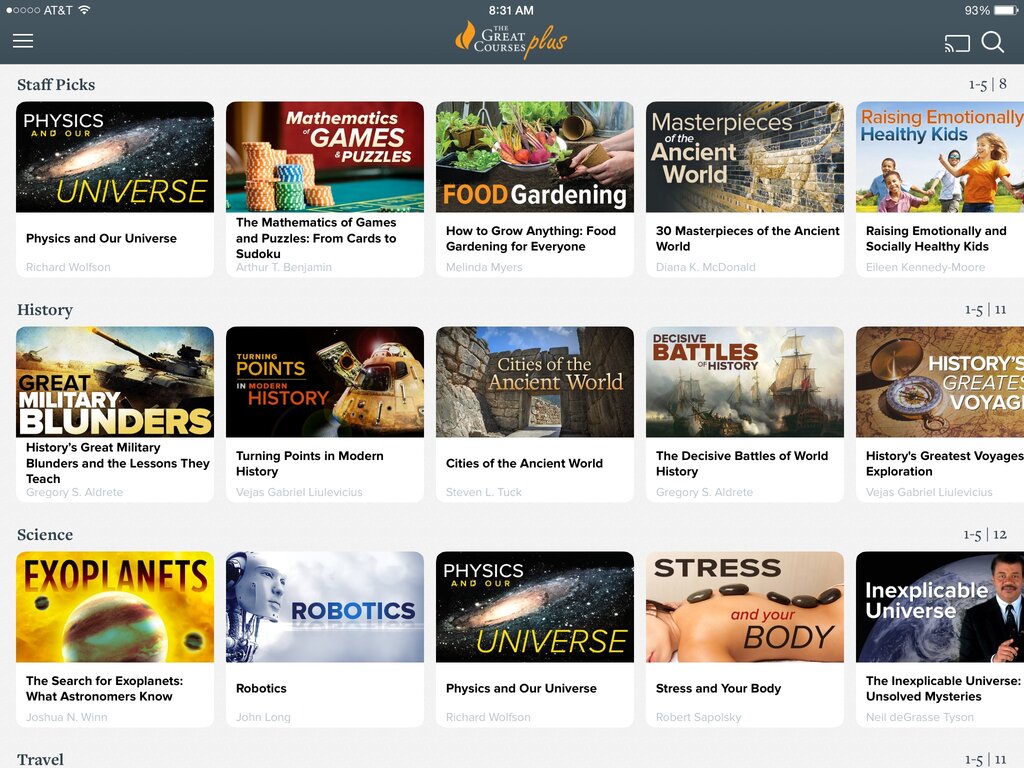
Analyze the Competition
Once you have a shortlist of potential topics, it's time to size up the competition. Finding other courses on your topic is actually a good sign. It validates that there's a market for it. If no one is teaching about your topic, it might be because there isn't enough demand.
Your goal is to find a unique angle or a gap in the existing offerings. Analyze the top courses in your niche. Read their reviews, especially the negative ones. What are students complaining about? What's missing from the curriculum? This feedback is gold. It tells you exactly how you can create a better, more comprehensive, or more specialized course.
Here's a simple framework for your competitive analysis:
| Question | What to Look For |
|---|---|
| What is the price point? | Are existing courses high-end or budget-friendly? This helps you position your own offer. |
| Who is the instructor? | What is their background? This tells you the level of expertise the market expects. |
| What's in the curriculum? | Note the main modules and lessons. Look for gaps you can fill. |
| What are the reviews saying? | Identify common praises and complaints. This is your roadmap for improvement. |
By understanding the landscape, you can carve out your own space. Maybe other courses are too theoretical, and you can offer a practical, project-based approach. Perhaps they're aimed at beginners, and you can create an advanced course for professionals.
Validate Your Idea
Before you spend months creating content, you need to validate that people will actually buy your course. This is the final and most crucial step. Don't skip it.
Validation means getting confirmation from your target audience that your course idea is something they want. The most direct way to do this is to simply ask them. You can create a simple survey using tools like Google Forms and share it with relevant online communities or your own social media following.
Your survey should ask about their biggest challenges related to your topic, what they'd hope to achieve by taking a course, and what they would be willing to pay for a solution.
An even stronger form of validation is a pre-sale. This involves creating a landing page that outlines your course curriculum, explains the benefits, and asks people to purchase the course at a discount before it's created. If you get enough pre-orders, you have definitive proof that your idea is a winner. It's a low-risk way to test the market.
If your survey responses are lukewarm or your pre-sale doesn't get traction, don't be discouraged. It's better to find out now than after you've invested significant time and effort. Take the feedback, refine your topic, and test again.
What is the primary goal of market research when choosing a course topic?
When analyzing competitor courses, what is described as 'gold' for finding your unique angle?