Create a Budget for a Down Payment
Understanding Financial Goals
What Are You Saving For?
Saving money without a clear purpose can feel like a chore. It’s easy to lose motivation when you’re just putting money aside for a vague “rainy day.” But when you have a specific, exciting goal in mind—like buying your first home—saving transforms from a sacrifice into a strategy.
A financial goal is simply a target you’re aiming for with your money. For homeownership, the most immediate goal is saving for a down payment. Knowing exactly what you’re working toward gives your financial decisions a clear direction. It helps you answer the question, “Should I buy this, or should I put that money toward my future home?” A well-defined goal is the difference between wandering and walking with purpose.
Get SMART About Your Goals
The best way to turn a dream into a plan is to make it as clear as possible. A popular and effective method for this is setting SMART goals. This framework pushes you to define your objectives in a way that is clear, actionable, and easy to track.
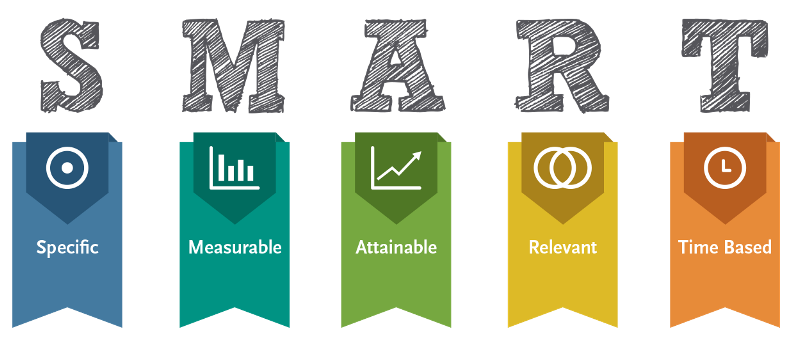
Let's break down what each letter means in the context of saving for a down payment:
- Specific: Be precise. Instead of “save for a house,” your goal could be, “save for a 20% down payment on a $250,000 condo in my city.”
- Measurable: Put a number on it. The goal above has a clear target: $50,000. This allows you to track your progress and know exactly how much further you have to go.
- Achievable: Be realistic. Is saving $50,000 possible with your current income and expenses? Your goal should be challenging but not impossible. If it feels out of reach, you might adjust the timeline or the target home price.
- Relevant: Your goal should matter to you. Why do you want to buy a home? Having a strong personal reason—like wanting stability or a place for your family to grow—will keep you motivated when things get tough.
- Time-bound: Give yourself a deadline. For instance, “I will save $50,000 for a down payment in four years.” A deadline creates a sense of urgency and helps you calculate how much you need to save each month.
Setting specific, measurable, achievable, relevant, and time-bound (SMART) goals is key to financial success.
A vague goal: “I want to save more money for a house.” A SMART goal: “I will save 💲850 each month for the next 48 months to reach my 💲40,800 down payment goal for a home in the Northwood neighborhood.”
Aligning Goals With Your Budget
Once you have a clear, time-bound goal, it becomes the foundation of your budget. Your budget is no longer just a list of expenses; it's a tool designed to achieve a specific outcome. Every dollar you allocate is a step toward your goal.
For example, if your SMART goal requires you to save $850 per month, you can now build your budget around that number. You know exactly how much needs to be set aside from each paycheck. This transforms your financial planning from passive tracking to active goal-setting.

This approach helps you prioritize. When you see a tempting but unnecessary purchase, you can weigh it directly against your goal. Is this purchase worth delaying homeownership? Having a defined objective makes these daily financial decisions much simpler. Your goal provides the 'why' that powers your day-to-day choices.
What does the 'S' in the SMART goals framework stand for?
Which of these goals for a down payment best follows the SMART framework?
With a clear goal in place, you’re ready to start building a budget that will get you there.