Crafting Your Seed Funding Pitch Deck
Understanding Pitch Decks
What's a Pitch Deck?
A pitch deck is a brief presentation, usually a set of slides, that tells the story of your business. Think of it as a visual business plan. Its main job isn't to answer every possible question, but to spark interest and get you to the next conversation—whether that's with an investor for seed funding or with leadership inside your company for a new project.
A killer pitch deck can be the difference between securing funding and being overlooked.
Your deck is often the first impression you make. It needs to be clear, compelling, and concise. Investors are busy, and they see hundreds of pitches. You have a very short window to grab their attention and convince them your idea is worth their time and money. It’s not just about data; it’s about crafting a narrative that makes your vision feel both inevitable and exciting.
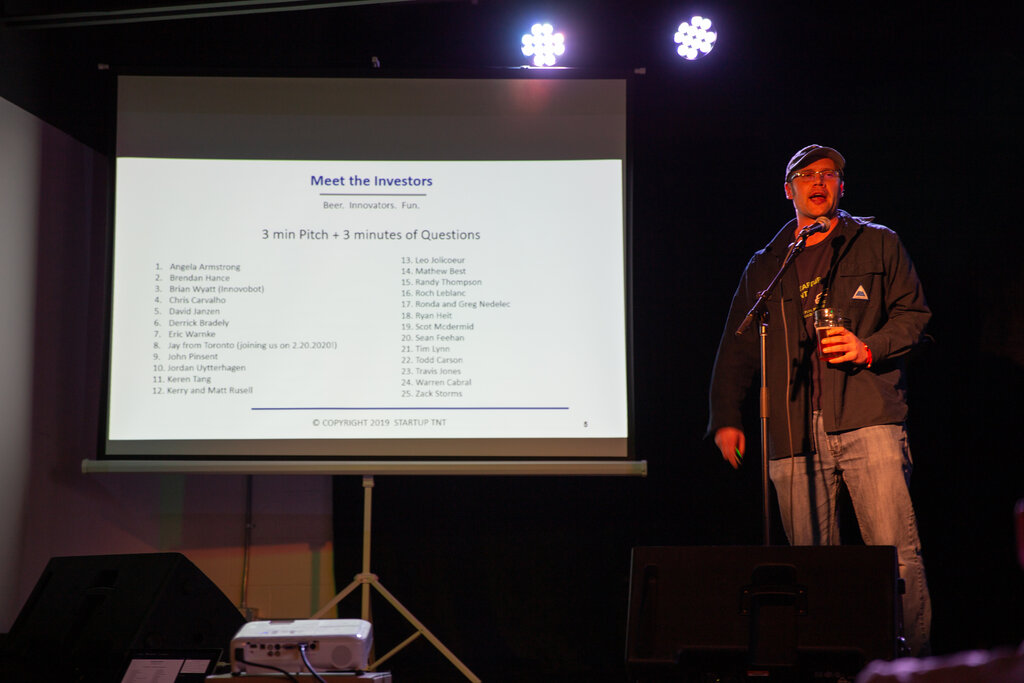
Key Ingredients of a Strong Deck
While every business is unique, successful pitch decks almost always touch on the same core elements. They follow a logical flow that answers the most critical questions an investor will have. The goal is to build a convincing argument, piece by piece, from the problem you're solving to the money you need to solve it.
Let's break these down:
- Problem: Clearly articulate the pain point your customers face. A relatable problem makes the need for a solution obvious.
- Solution: Introduce your product or service as the answer. Explain what it is, how it works, and why it's better than existing alternatives.
- Market Size: Show investors the potential scale of your business. How many people have this problem? How much are they currently spending to solve it?
- Business Model: Explain how you plan to make money. Is it through subscriptions, direct sales, advertising, or something else?
- Team: Introduce the key players. Highlight their relevant experience and explain why they are the perfect people to execute this vision.
- The Ask: State clearly how much funding you are seeking and how you plan to use it. Be specific, like "We need $500,000 to hire two engineers and launch a marketing campaign."
Lessons from the Greats
Looking at the early pitch decks of successful companies can be incredibly insightful. Let's examine two famous examples: Airbnb and Uber.
Airbnb's Early Pitch Their 2008 seed funding deck was simple and brilliant. It opened with a clear problem: "Price is an important concern for customers booking travel online." and "Hotels leave you disconnected from the city and its culture."
Their solution was just as clear: "A web platform where users can rent out their space to host travelers." They defined their market by comparing it to huge existing markets (couch surfing and budget travel) and outlined a simple business model: a 10% commission on each transaction. It was straightforward and easy to grasp.
The Airbnb deck effectively showed investors a massive opportunity hidden in plain sight. They didn't just sell a service; they sold a new way to travel.
Uber's Vision Uber's 2008 pitch deck, originally for a black car service called "UberCab," is another masterclass in simplicity. The problem was direct: taxis in San Francisco were inefficient and hard to get. The solution was elegant: a convenient, one-click app for premium car service.
They presented a clear vision of the future of transportation, even at that early stage. The deck outlined the potential market size, the technology, and a clear path to profitability. They didn't just pitch a better taxi; they pitched a revolution in urban mobility, starting with a small, focused market.
Both Airbnb and Uber succeeded by identifying a common frustration and presenting a simple, tech-driven solution. Their decks told a story that was bigger than just the initial product.
Now, let's test your understanding of these core concepts.
What is the primary goal of a pitch deck?
The section of your pitch deck that explains who is on your founding team and why they are qualified is called the ______ section.
A great pitch deck is your entry ticket. It gets you in the door by telling a compelling story about a real problem and your unique solution.