Crafting Your Research Conceptual Framework
Introduction to Conceptual Frameworks
What Is a Conceptual Framework?
Think of a conceptual framework as the blueprint for a research study. Before a builder lays a single brick, they have a detailed plan showing how the foundation, walls, and roof all connect to create a sturdy house. A conceptual framework does the same thing for research. It's a structure that organizes your ideas and shows how all the parts of your study fit together logically.
It’s the researcher's map, illustrating what you plan to investigate and the expected relationships between different concepts.
The main purpose of this framework is to guide your entire research process. It helps you decide what concepts are important, what relationships to look for, and how you will measure them. Without this plan, a study can easily become disorganized, trying to explore too many ideas at once without a clear direction. The framework provides that essential focus from start to finish.
Connecting Theory to Your Study
Research doesn't happen in a vacuum. It's built on existing theories and knowledge. A conceptual framework acts as a bridge, connecting a broad, abstract theory to your specific research objectives. It takes the general ideas from a theory and applies them to the context of your study.
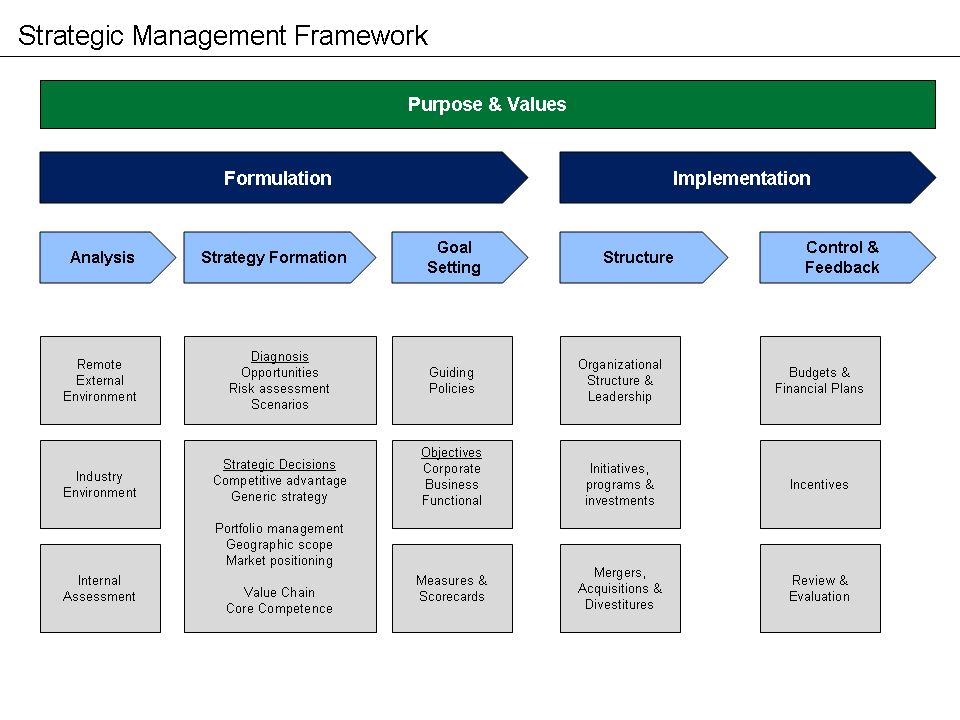
For example, imagine you want to study employee motivation. You might start with a well-known theory, like Maslow's Hierarchy of Needs. This theory proposes that people are motivated by fulfilling certain needs in a specific order: physiological, safety, love and belonging, esteem, and self-actualization.
Your conceptual framework would then narrow this down. It would outline how you plan to measure those needs in a specific workplace and how you expect them to relate to measurable outcomes, like productivity or job satisfaction. The framework makes the theory testable in your particular situation.
The Importance of Clarity
Perhaps the greatest benefit of a conceptual framework is the clarity it provides. The process of building one forces you to think critically and specifically about every aspect of your research. You have to define your terms, identify the key variables, and state exactly how you believe they are connected.
This clarity isn't just for you. It also helps others understand your research. When you present your findings, the conceptual framework shows your audience the intellectual scaffolding of your work, making your arguments and conclusions much more persuasive and easy to follow.
By establishing a clear, logical structure upfront, a conceptual framework ensures your research is focused, coherent, and built on a solid intellectual foundation. It turns a vague question into a targeted investigation.