Crafting Your Rap Song
Understanding Rhythm
The Heartbeat of Your Flow
Before you can string together clever rhymes or tell a compelling story, you need a foundation. In rap, that foundation is rhythm. It's the pattern of sounds and silences that gives your words a pulse and makes them musical. Think of it as the framework that holds your entire verse together.
Rhythm
noun
The arrangement of sounds in time. In rap, it's the pattern of stressed and unstressed syllables that creates a flow over a beat.
A strong sense of rhythm is what separates a rapper from someone just talking over a beat. It’s about more than just starting and stopping on time. It’s about how your words land, where you place emphasis, and the cadence you create. This is what makes your flow feel natural, confident, and captivating to a listener.
In its simplest form, flow refers to the rhythm, speed, and lyrical delivery style of a rapper.
Without a steady rhythm, even the best lyrics can fall flat. They might sound rushed, out of place, or just plain awkward. Mastering rhythm allows you to use your voice as a percussive instrument, adding another layer of musicality to the track.
Finding Your Inner Metronome
Developing a solid sense of rhythm starts with one thing: keeping a consistent beat. Your goal is to internalize the pulse of the music so you can lock into it effortlessly. The most common and foundational beat in hip-hop and many other genres is the "four-on-the-floor" pattern, where the kick drum hits on every beat.
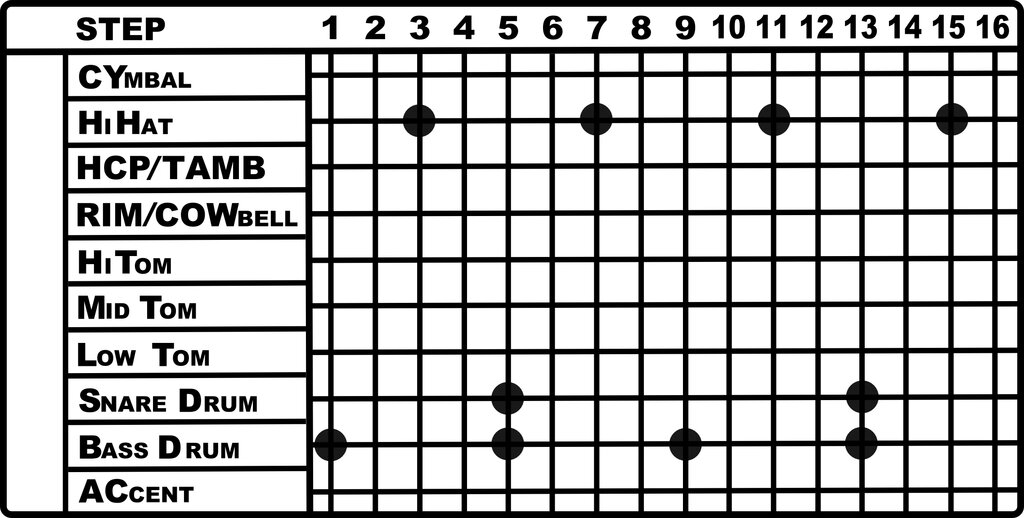
To start, you don't need complex lyrics. You just need a beat. Find a simple instrumental or use a metronome app. Your first task is to simply feel the pulse.
First, just listen. Nod your head or tap your foot along with the primary beat, usually the kick drum. Don't think, just feel the groove. Once you're locked in, try counting along: "one, two, three, four, one, two, three, four..."
Next, try vocalizing simple sounds over the beat. Forget words for a moment. Use sounds like "da" or "ba" to create your own patterns. Try a steady stream of "da-da-da-da" on the beat, then experiment with syncopation by placing your sounds between the main beats.
This practice builds your internal clock. It trains your brain and your voice to work together, so when it comes time to deliver lyrics, you can place them exactly where you want them without losing the beat. Cadence, or the rhythmic flow of your sentences, will start to feel more natural. Practice reciting something simple, like a nursery rhyme or a line from your favorite movie, and see if you can make it fit the rhythm of the beat.

Let's check your understanding of these core concepts.
What is the most fundamental element that gives rap its musical pulse and framework?
According to the text, mastering rhythm allows a rapper to use their voice as a _________.
Keep practicing these fundamentals. A strong rhythmic foundation is the key that unlocks more complex flows and deliveries down the line.