Crafting Your Killer Elevator Pitch
Understanding Elevator Pitches
What's an Elevator Pitch?
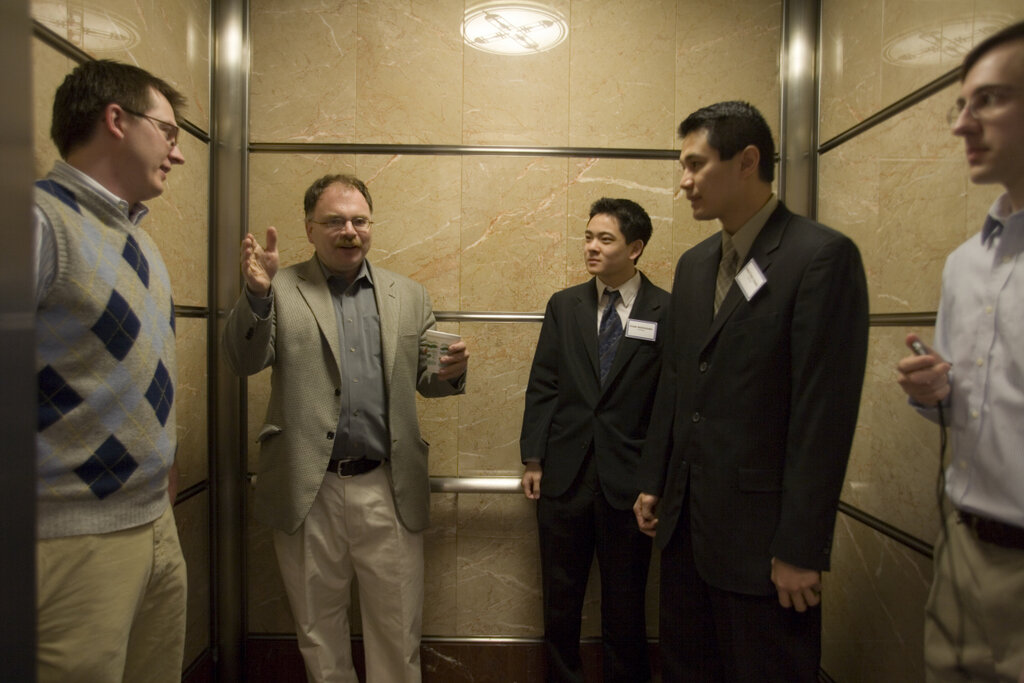
An elevator pitch is a short, persuasive speech that explains an idea, a product, or yourself in a nutshell. The name comes from the idea that you should be able to deliver it in the time it takes to ride an elevator with someone important. It's your chance to make a strong first impression and open the door for a future conversation.
The main goal isn't to close a deal or get a job on the spot. It's to spark interest. You want to be so clear and compelling that the other person says, "Tell me more." It’s the hook that starts a longer dialogue, not the entire story.
An elevator pitch is a conversation, or an ice breaker, that will (hopefully) lead into a deeper dialogue about the functionality, and specialty, of what you and your company can offer.
Keep It Brief
Attention is a scarce resource. A good elevator pitch respects the listener's time by getting straight to the point. The ideal length is just 30 to 60 seconds. Any longer, and you risk losing your audience's focus. This tight constraint forces you to distill your message down to its most essential elements.
The goal is to be memorable, not to cover every single detail.
While there are many ways to structure a pitch, most effective ones answer a few basic questions in a logical flow. They introduce who you are, explain what you do or what your idea is, and clarify what you're looking for. This simple framework provides a clear path for the listener to follow.
Clarity and Context
Clarity is non-negotiable. Avoid jargon, acronyms, and overly technical terms that might confuse your listener. Use simple, direct language that anyone can understand. If they have to spend time deciphering your words, the message is lost. Your pitch should be as easy to grasp as it is to hear.
Equally important is knowing your audience. A pitch is not a one-size-fits-all script. You should adapt it based on who you're talking to and what matters to them. A pitch for a potential investor will focus on market opportunity and returns, while a pitch to a potential customer will highlight how your product solves their specific problem. The context determines the content.
| Audience | Focus of the Pitch |
|---|---|
| Potential Investor | Financial opportunity, scalability, team strength |
| Potential Customer | Problem-solving, benefits, value proposition |
| Networking Contact | Shared interests, potential for collaboration |
| Hiring Manager | Skills, experience, fit for the company culture |
Tailoring your message shows that you've done your homework and respect the other person's perspective. It makes your pitch feel less like a generic advertisement and more like the beginning of a meaningful conversation.
What is the primary goal of an elevator pitch?
What is the ideal time frame for an elevator pitch?