Crafting Your First Progression Fantasy Novel
Understanding Progression Fantasy and LitRPG
Bigger, Stronger, Faster
Some of the most satisfying stories follow a character's journey from humble beginnings to incredible power. This is the heart of progression fantasy. At its core, this subgenre is all about the steady, measurable growth of a character's skills and abilities. The plot is driven by the protagonist's relentless pursuit of self-improvement to overcome escalating challenges.
Think of it like learning a real-world skill, such as playing the guitar. You start by fumbling through basic chords. With practice, you can play simple songs. Eventually, after countless hours, you might be able to perform a complex solo. Progression fantasy captures that same feeling of earned accomplishment and applies it to fantastical abilities, like mastering magic or honing superhuman martial arts.
In progression fantasy, the focus is on the journey of improvement. Characters often train, study, or battle their way to new heights of power, and the story meticulously tracks their growth. The world may have complex rules, but they aren't necessarily presented as game mechanics.
Popular examples include series like Cradle by Will Wight, where characters advance through distinct martial arts stages, and Mage Errant by John Bierce, which follows a young mage as he learns to control his unique magical affinities.
What if Life Was a Game?
Now, imagine a world where the rules of progression are not just implied, but spelled out for everyone to see. That’s the domain of LitRPG, or Literary Role-Playing Game. In these stories, characters live in a world that operates with explicit game mechanics. You'll see things like skill levels, stat sheets, and quest notifications pop up right in the narrative.
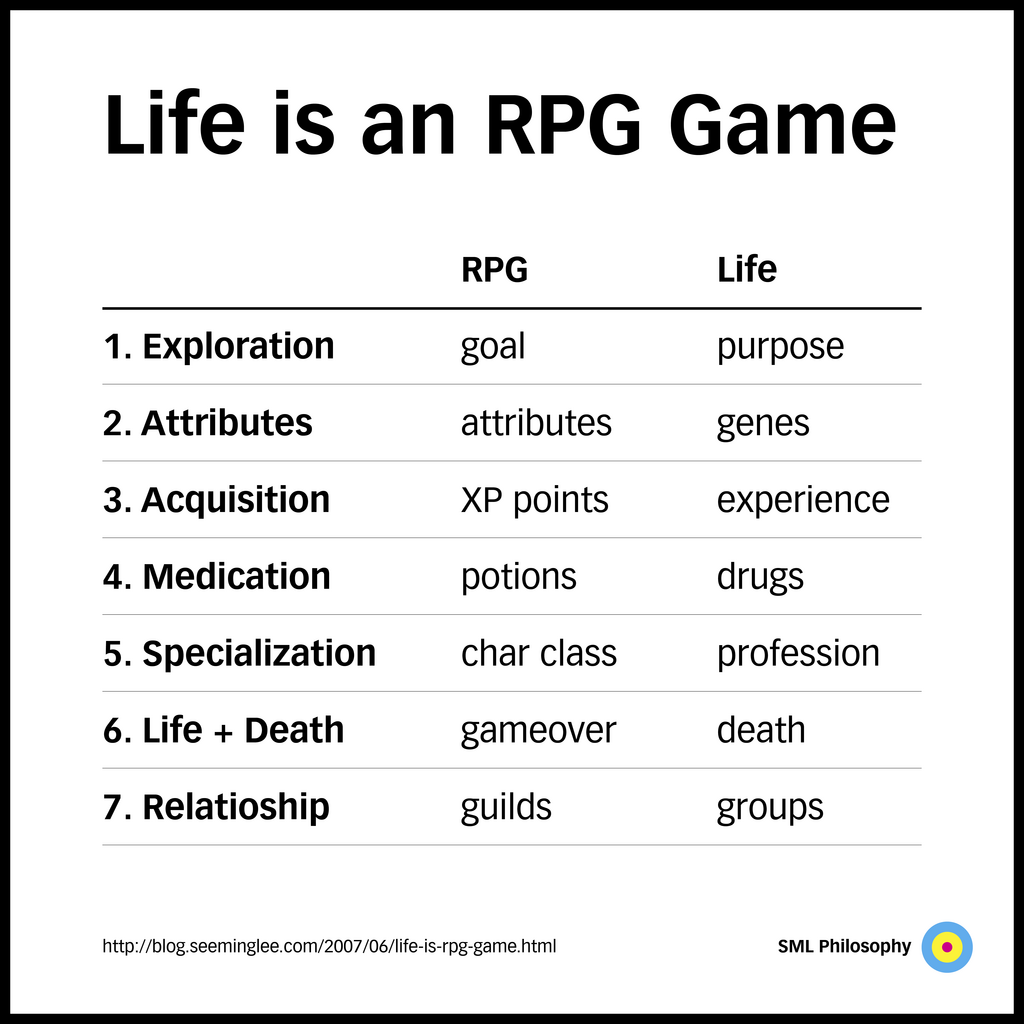
The characters in a LitRPG story are often aware of their stats and actively work to improve them. This creates a unique reading experience where you follow not just the character's journey, but also the numbers behind their growth. A character might defeat a monster and immediately receive a notification: "You have leveled up!"
Experience the thrill of character growth and development through the progression mechanic.
LitRPG
noun
A literary subgenre combining science fiction or fantasy with video game elements, where the story features explicit game mechanics like statistics, levels, and quests that are integrated into the narrative.
Well-known works in this genre include The Land by Aleron Kong and Ascend Online by Luke Chmilenko. In both, characters navigate a world that feels like a massive, immersive video game.
So What's the Difference?
While both genres are built on the idea of character growth, the key difference lies in how that growth is presented. Progression fantasy is about the feeling of leveling up, while LitRPG is about the mechanics of leveling up. One is implicit, the other explicit.
All LitRPG is a form of progression fantasy, but not all progression fantasy is LitRPG. A story can focus heavily on a character's increasing power without ever showing a single stat block or level notification.
| Feature | Progression Fantasy | LitRPG |
|---|---|---|
| Game Mechanics | Implicit or nonexistent. | Explicit and integral to the story. |
| Character Awareness | Characters focus on gaining skill and power. | Characters are aware of stats, levels, and quests. |
| Narrative Focus | The journey of mastery and overcoming limits. | Optimizing stats and completing quests. |
| World Rules | Can be soft or hard magic/power systems. | Explicitly defined by game-like rules. |
Choosing between them depends on what you enjoy as a reader. Do you prefer a story that focuses on the grit and struggle of training, or one that gives you the satisfying crunch of numbers and clear, quantifiable progress? Both offer compelling worlds and characters who strive to become more than they were before.