Crafting Your All-Round Worker CV
Understanding CV Basics
The Story of Your Career
A Curriculum Vitae, or CV, is a detailed document that outlines your entire professional and academic history. The name comes from Latin and means "course of life." Think of it as the complete story of your career journey, capturing everything from your education to your publications and work experience.
Curriculum Vitae
noun
A detailed written account of one's personal, professional, and educational qualifications and experiences, prepared by a person applying for a job.
Unlike a resume, which is a brief summary, a CV is meant to be comprehensive. Its purpose is to give a full picture of your qualifications, especially in academic, scientific, or research fields where a detailed background is important.
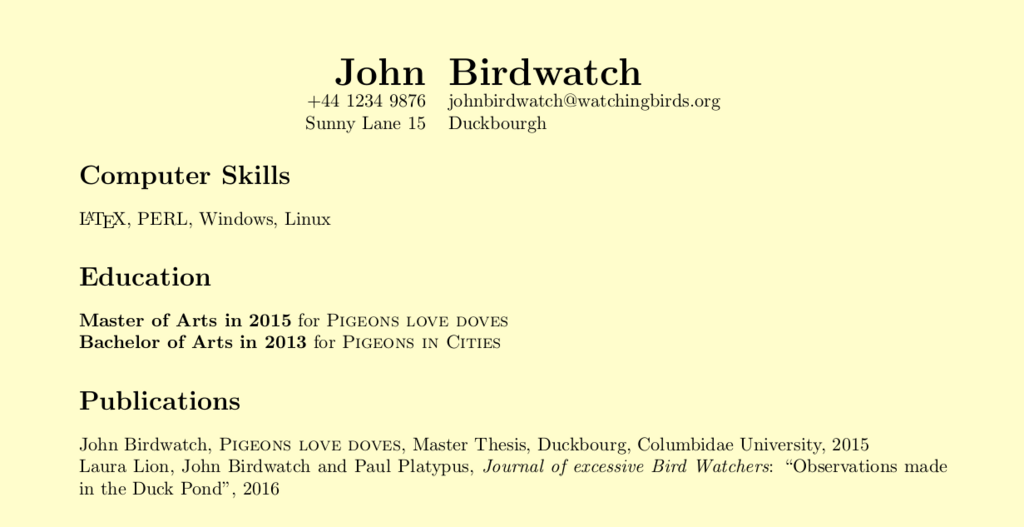
CV vs. Resume
The biggest point of confusion for many is the difference between a CV and a resume. While both are used in job applications, they serve different purposes and are common in different contexts. A resume is a short, tailored snapshot of your skills for a specific job, while a CV is a longer, more exhaustive list of your accomplishments.
| Feature | Curriculum Vitae (CV) | Resume |
|---|---|---|
| Length | Comprehensive; can be 2+ pages | Concise; typically 1 page |
| Content | Detailed history of academic and professional life | Summary of skills and experience relevant to a specific job |
| Purpose | Often used in academia, research, or for international jobs | Standard for most jobs in the US and Canada |
In many parts of the world outside of North America, the term "CV" is used to mean what Americans would call a resume. For this article, we'll focus on the academic and comprehensive version of the CV.
The Anatomy of a CV
A good CV is well-organized and easy to read. It typically includes several standard sections that guide the reader through your personal history.
Contact Information This is the most straightforward part. It should be at the very top of your CV and include your full name, phone number, professional email address, and a link to your LinkedIn profile or personal portfolio if you have one.
Personal Statement Also called a summary or objective, this is a short paragraph right below your contact info. It's your 30-second elevator pitch. It should briefly introduce who you are, what you do, and what your career goals are.
Your personal statement is your chance to make a strong first impression. It should be concise, confident, and tailored to the role you're applying for.
Work Experience This section lists your employment history in reverse chronological order (your most recent job first). For each position, include your job title, the name of the company, its location, and the dates you worked there. Use bullet points to describe your key responsibilities and, more importantly, your accomplishments.
Education Like your work experience, list your education in reverse chronological order. Include the name of the institution, the degree you earned, and your graduation date. You can also include your thesis title or any significant academic honors.
Skills Here, you'll list the specific abilities you have that are relevant to the job. This can be broken down into categories like technical skills (e.g., software, programming languages), language skills, and soft skills (e.g., communication, leadership).
Additional Sections Depending on your background and the job, you might include other sections. These could be things like:
- Certifications and Licenses
- Publications
- Presentations or Conferences
- Awards and Honors
- Volunteer Work
Make It Relevant
Even though a CV is a comprehensive document, it should not be a static one. One of the most common mistakes is sending the exact same CV for every job application. To be effective, you need to tailor it to the specific position you're applying for.
Customize your CV for each program and university that you are applying to: You should tailor your CV to match the specific requirements and expectations of each program and university, and highlight the most relevant and impressive information that showcases your fit and potential.
This means reading the job description carefully. Look for key skills and requirements the employer is seeking. Then, adjust your CV to highlight your experiences that match those needs. You might reorder your bullet points, change the emphasis in your personal statement, or add a specific skill you hadn't listed before. This customization shows the employer that you've done your research and are genuinely interested in the role.
Now, let's review the key concepts we've covered.
Ready to check your understanding?
What is the primary purpose of a Curriculum Vitae (CV)?
The term 'Curriculum Vitae' is Latin for which of the following phrases?
Building a strong CV is the first step in showcasing your professional story. By understanding its purpose and structure, you can create a powerful document that opens doors to new opportunities.