Crafting Your 2026 Cybersecurity Learning Journey
Structuring Your Blog Post
The Blueprint of a Blog Post
Before you write a single word of your blog post, you need a plan. A great post isn't just a collection of facts; it's a guided journey for your reader. The structure is your map. It ensures your audience doesn't get lost and arrives at the end feeling informed and empowered, not confused.
Think of it like building a house. You wouldn't start by nailing random boards together. You'd start with a blueprint. A solid outline makes the writing process smoother and the final product much stronger.
The Engaging Introduction
Your introduction has one job: to convince someone to keep reading. You can start with a relatable problem, a surprising statistic about cybersecurity, or a question that piques their curiosity. The goal is to connect with the reader's needs or interests immediately.
After grabbing their attention, briefly state what the post will cover. This sets expectations and shows the reader that you have a clear path for them. It’s a simple promise: stick with me, and you'll learn exactly what you came here for.
A great intro answers the reader's unspoken question: "Why should I care about this?"
Mapping the Journey
Once you have your introduction, it's time to outline the main sections. For a beginner's guide to cybersecurity, the flow must be logical. Start with the basics and gradually build up to more complex topics. Don't throw jargon at a newcomer without explaining it first.
A logical sequence builds confidence. Each section should feel like the natural next step from the one before it. This progression is what turns information into understanding.
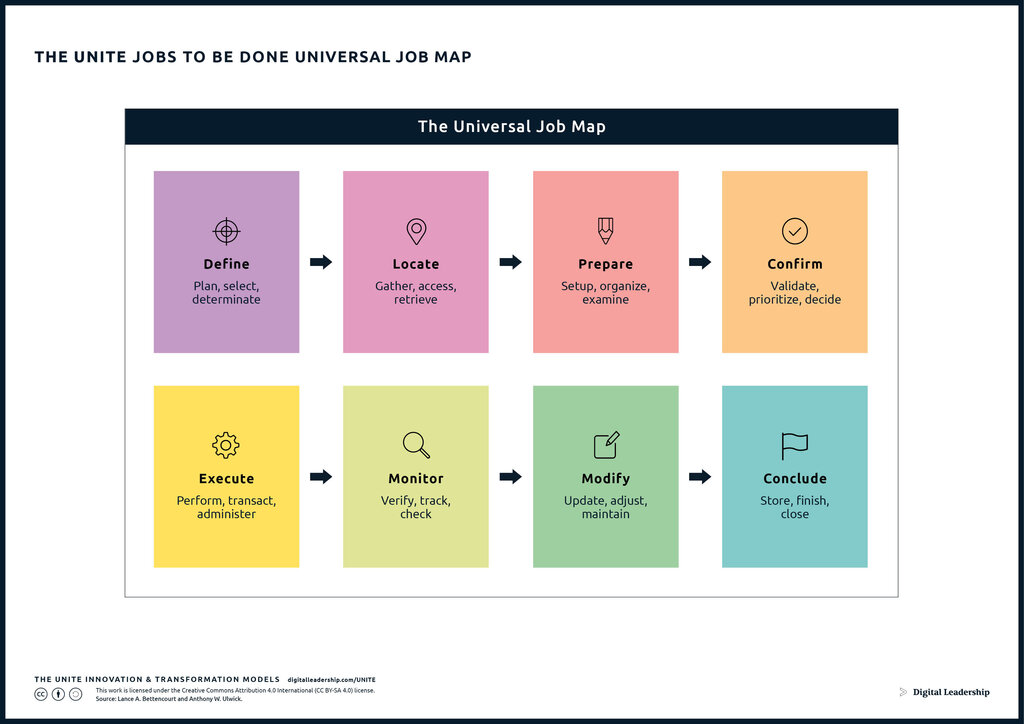
A good structure for a beginner's cybersecurity post might look like this:
- What is Cybersecurity? Start with a simple, jargon-free definition.
- Core Principles: Introduce foundational concepts, like the CIA triad (Confidentiality, Integrity, Availability).
- Common Threats: Discuss common dangers like phishing and malware in simple terms.
- Getting Started: End with actionable advice on how to begin a learning path or career.
Creating a Cohesive Narrative
Your outline provides the skeleton; now you need to connect the bones. A cohesive narrative means your post flows like a story, not a textbook. Use transition sentences to smoothly guide the reader from one section to the next.
For example, as you end the section on core principles, you could write, "Now that you understand the goals of cybersecurity, let's look at the common threats that try to undermine them." This simple sentence creates a bridge, making the entire post feel like a single, connected piece of writing. It tells the reader that you're still on the journey with them, guiding them to the next landmark.
A well-structured blog post is easier to read and more likely to keep your audience engaged.
What is the primary purpose of creating a detailed outline before writing a blog post?
A blog post's introduction should grab the reader's attention and then briefly state what the post will cover.