Crafting World-Class LLM Agent Skills
Defining World-Class Skills
Beyond Just Doing the Job
An LLM agent's skill is its ability to perform a specific task, like booking a flight, summarizing a report, or writing code. But there's a huge difference between a skill that simply works and one that's truly world-class. A basic skill might get the job done, but a great one does it with precision, speed, and a kind of elegance that feels almost human.
Think of it like the difference between a novice cook and a master chef. Both can follow a recipe to make a meal. The chef, however, understands the ingredients deeply, adapts to unexpected problems, and creates a dish that isn't just edible but exceptional. The same principle applies to LLM agent skills. A world-class skill doesn't just execute a command; it anticipates needs and delivers a solution seamlessly.
The Anatomy of a Great Skill
So, what are the ingredients for a world-class skill? It comes down to a few key characteristics that work together.
Accuracy: The skill must be reliable and correct. A skill that analyzes financial data can't afford to be 'mostly right.' It needs to be precise, every time. Inaccuracy erodes trust, which is the foundation of any useful tool.
Efficiency: A great skill works quickly without wasting resources. It finds the most direct path to the solution. A travel-booking skill that takes five minutes to find a flight is far less useful than one that does it in five seconds.
Adaptability: The real world is messy and unpredictable. A world-class skill can handle curveballs. If a user asks a scheduling agent to book a meeting, but the primary contact is out of office, an adaptable skill will suggest alternative contacts or times instead of just failing.
Focusing on the User
Ultimately, the most important quality is being user-centric. A skill, no matter how technically brilliant, is only as good as its ability to solve a real human's problem in a way that feels natural and helpful.
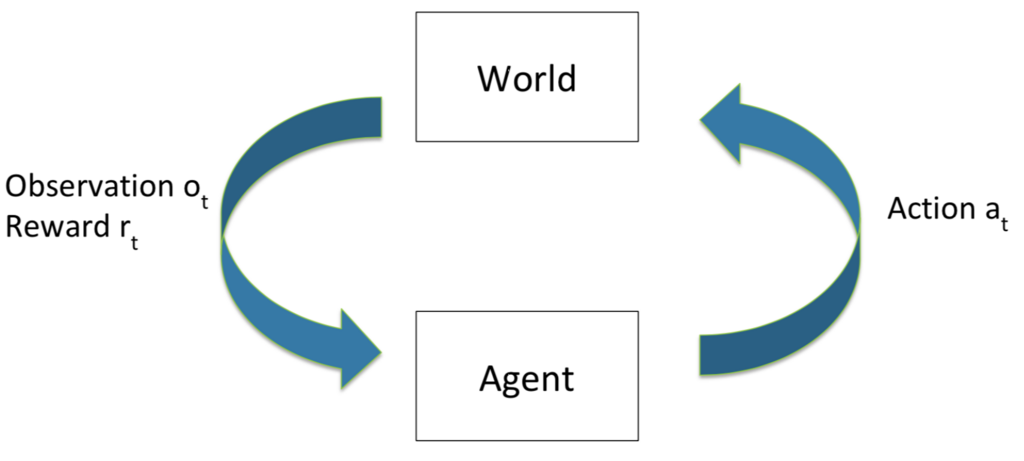
This means aligning the skill with the user’s actual needs and expectations. It requires understanding the user's goal, not just their literal command. If a user says, “Find me a good place for lunch,” they aren’t just asking for a list of restaurants. They’re implying criteria like proximity, price, cuisine type, and maybe even the time of day.
A world-class skill infers these unstated needs. It might ask clarifying questions like, “Are you looking for something quick, or do you have time for a sit-down meal?” This dialogue ensures the output is not just accurate, but genuinely useful and relevant to the user’s context.
By focusing on accuracy, efficiency, adaptability, and the user's core needs, we can build LLM skills that feel less like rigid tools and more like capable, reliable partners.
According to the text, what is the ultimate measure of a world-class LLM skill's quality?
The text uses the analogy of a novice cook versus a master chef to illustrate the difference between what?