Crafting Videos with Artificial Intelligence
Introduction to AI Video Generation
AI and the Moving Image
Artificial intelligence might seem like a recent arrival in the world of media, but its roots go back decades. Long before we could generate videos with a line of text, AI was working behind the scenes. Early forms of computer-generated imagery (CGI) in films were a kind of AI, using algorithms to create visuals that would be impossible to film in real life.
Think of the dinosaurs in Jurassic Park or the liquid metal T-1000 in Terminator 2. These were created using sophisticated software that simulated physics and movement. While not “generative AI” as we know it today, these technologies laid the groundwork, teaching computers how to understand and build visual worlds. The progress since then has been exponential.
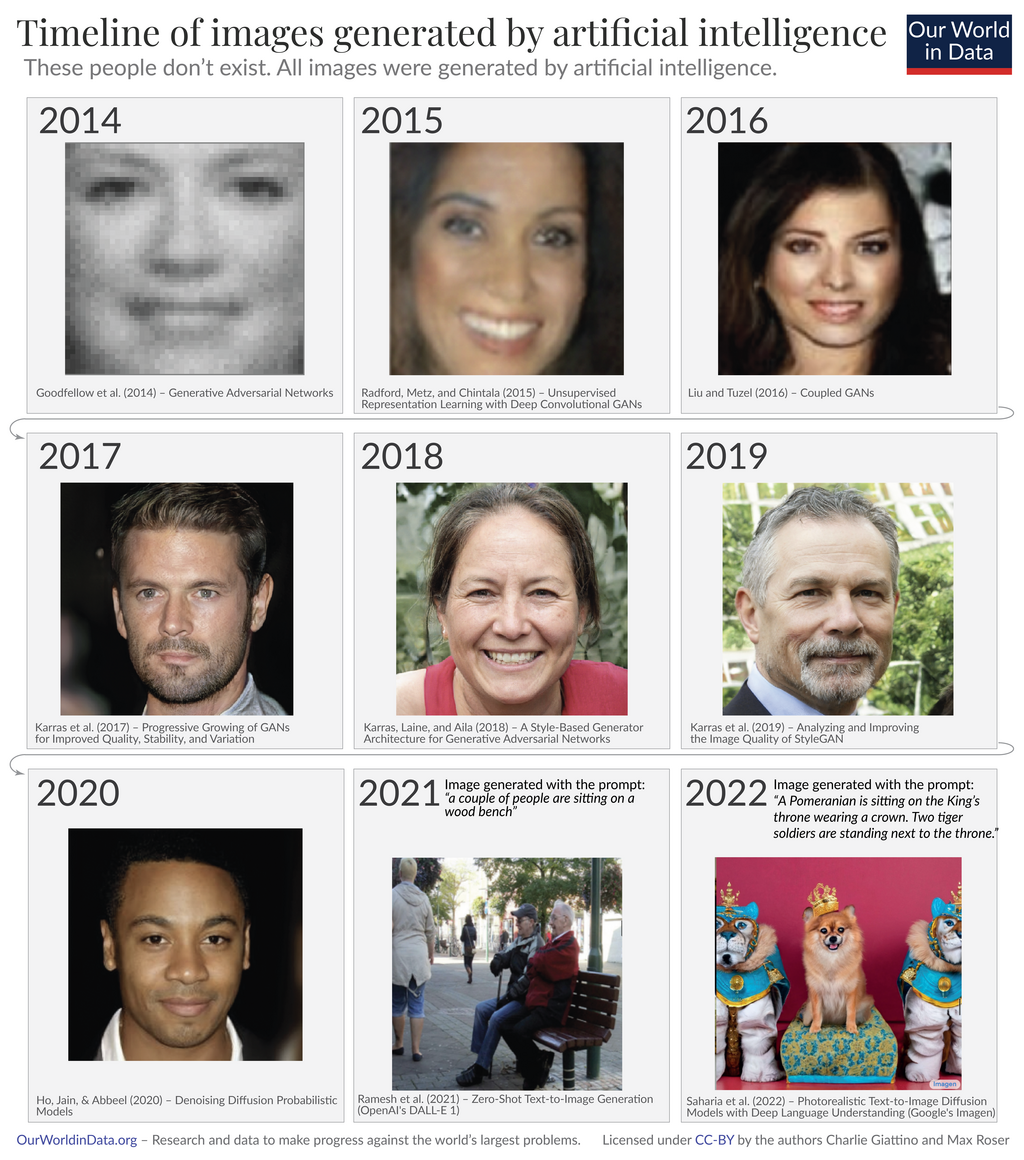
Today's tools don't just render a pre-designed model; they create entirely new visuals from scratch. This leap was made possible by two key concepts: machine learning and neural networks.
How AI Learns to Create
At its heart, AI video generation is about pattern recognition. The technology behind it, machine learning, works much like a human learns. Instead of being programmed with explicit rules for how a wave should crash or a person should walk, the AI is shown millions of examples.
Imagine teaching a toddler to identify a dog. You wouldn't list out features like "has fur, four legs, a tail, and barks." You'd just point to different dogs and say "dog." Eventually, the child's brain forms a concept of "dog" that's flexible enough to recognize a tiny chihuahua and a giant Great Dane.
Machine learning models do the same thing, but on a massive scale. They are trained on vast datasets of images and videos, learning the underlying patterns of our visual world. The systems that do this learning are called neural networks.
Neural networks are computing systems inspired by the biological neurons in our brains. They are designed to recognize patterns and process information.
In video generation, these networks analyze pixel data frame by frame. They learn about object permanence, physics, lighting, and camera movements. When you provide a prompt like "a golden retriever running through a field of flowers," the AI taps into its vast training. It retrieves the patterns for "golden retriever," "running motion," and "field of flowers" and synthesizes them into a sequence of new frames, creating a video that never existed before.
The Ethics of AI Content
With this powerful technology comes a new set of ethical challenges. The ability to create realistic, fabricated video content raises important questions about authenticity, ownership, and bias.
Authenticity and Misinformation If anyone can create a video of anything they can imagine, how do we tell what's real? The potential for creating convincing "deepfakes" to spread misinformation or create false narratives is a major concern. It forces us to become more critical consumers of media, questioning the source and context of what we see online.
Copyright and Ownership Who owns an AI-generated video? The person who wrote the prompt? The company that built the AI? The owners of the data the AI was trained on? These are complex legal questions without easy answers. The law is still catching up to the technology, and debates around intellectual property are ongoing.
Bias in the Data AI models are trained on data from the real world, and the real world contains biases. If a training dataset predominantly features images and videos from one culture or demographic, the AI's output will reflect that. This can lead to the reinforcement of stereotypes and the exclusion of underrepresented groups. Ensuring fairness and representation in AI-generated content requires careful curation of training data.
As educational institutions grapple with teaching students about increasingly complex Artificial Intelligence (AI) systems, finding effective methods for explaining these technologies and their societal implications remains a major challenge.
Understanding these fundamentals—the evolution of the tech, how it works, and the ethical landscape—is the first step. It allows us to use these powerful new tools responsibly and appreciate the incredible complexity behind a simple text prompt.