Crafting the Ultimate NYE Charcuterie Board
Understanding Charcuterie
What is Charcuterie?
The word charcuterie comes from France, and it's a bit of a mouthful. But the idea behind it is simple: preserving meat. Long before refrigerators existed, people needed ways to make meat last. Salting, smoking, and curing were the go-to methods. The person who prepared these meats was called a charcutier.
Charcuterie
noun
The branch of cooking devoted to prepared meat products, such as bacon, ham, sausage, terrines, galantines, ballotines, pâtés, and confit, primarily from pork.
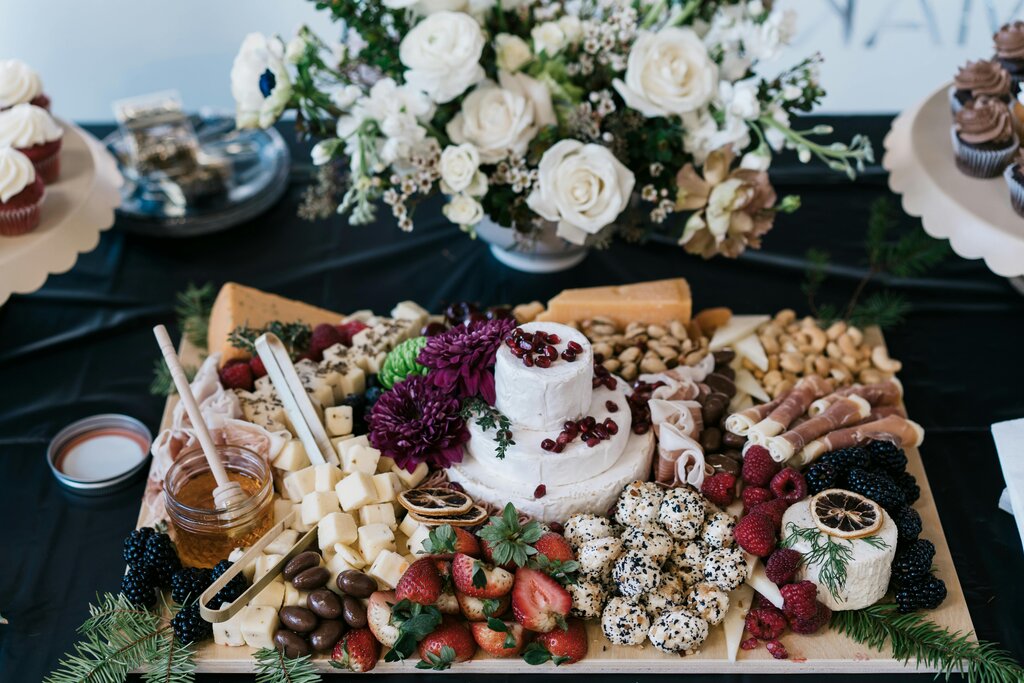
Today, the term has expanded. When someone mentions a charcuterie board, they usually mean more than just meat. It’s an artfully arranged platter of cured meats, various cheeses, crackers, fruits, nuts, and spreads. It's a feast for the eyes and the palate, full of different textures and flavors.
The Building Blocks
A great charcuterie board is all about variety and balance. While there are no strict rules, most boards are built around a few key components.
-
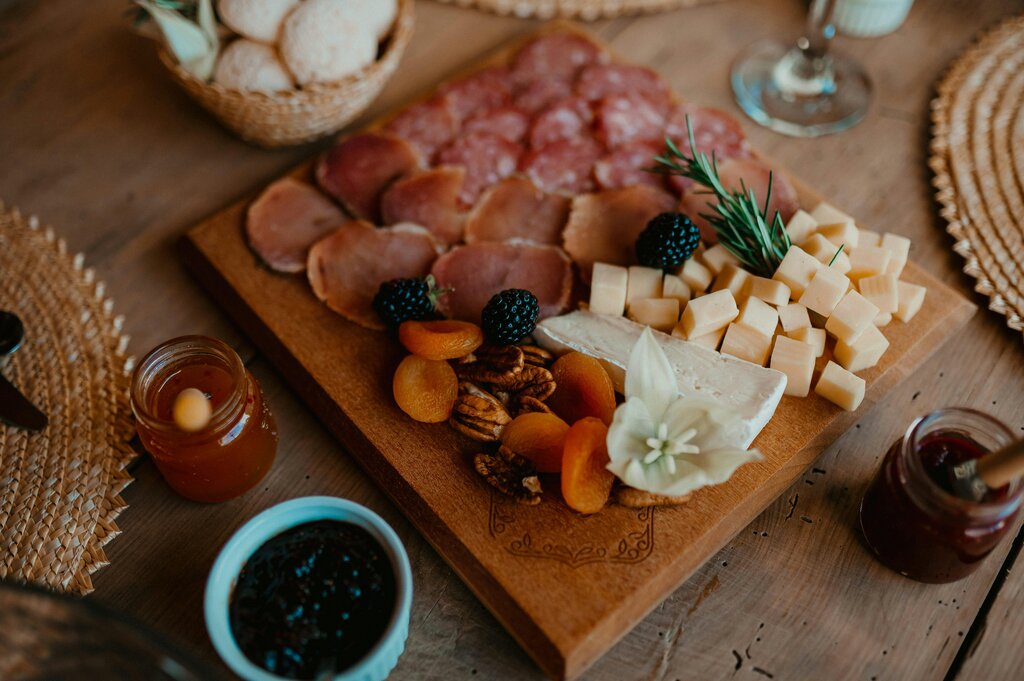
Cured Meats: This is the heart of traditional charcuterie. Think of thinly sliced prosciutto, spicy salami, or rich pâté. The goal is to offer a few different types, from mild to bold.
-
Cheeses: Cheese is the perfect partner for cured meat. A good board often includes a mix of textures and flavors: something soft like brie, something hard like aged cheddar, and maybe something tangy like goat cheese.
-
Accompaniments: This is where you can get creative. Crackers and slices of baguette are essential for building bites. Fruits, both fresh and dried, add sweetness that cuts through the richness of the meat and cheese. Grapes, figs, and apricots are popular choices. Nuts like almonds or walnuts provide a welcome crunch. Finally, spreads like honey, fig jam, or mustard add another layer of flavor.
More Than Just Food
Meat and cheese platters are a staple in many cultures, from Italian antipasto to Spanish tapas. They're more than just an appetizer; they’re a centerpiece for social gatherings. They encourage sharing, grazing, and conversation. There’s no formal plating, just a beautiful spread that invites everyone to dig in.
Putting together a platter is less about a rigid recipe and more about creating an experience. It’s a relaxed way to host, allowing guests to assemble their own perfect bites.
Lunches are not my forte, so I suppose I will do what I always do when we have guests: Get a bunch of cold cuts and fancy cheese and crackers and olives and encourage people to help themselves.
Understanding these basic elements is the first step. By mixing and matching these components, you can create a platter for any occasion.