Crafting the Trendy Internship Cover Letter
Understanding Cover Letters
Telling Your Story
Your resume lists the facts: where you've worked, what you did, and the skills you've gained. It's an essential, backward-looking document. But what about your personality, your passion for the role, and why you believe you're the perfect fit? That's where the cover letter comes in.
cover letter
noun
A one-page document sent with your resume to introduce yourself, highlight your qualifications, and express your interest in a specific job.
Think of it as a bridge between your resume and the hiring manager. While your resume is a structured list of accomplishments, your cover letter is a personalized narrative. It connects the dots, explaining how your past experiences make you the ideal candidate for the company's future.
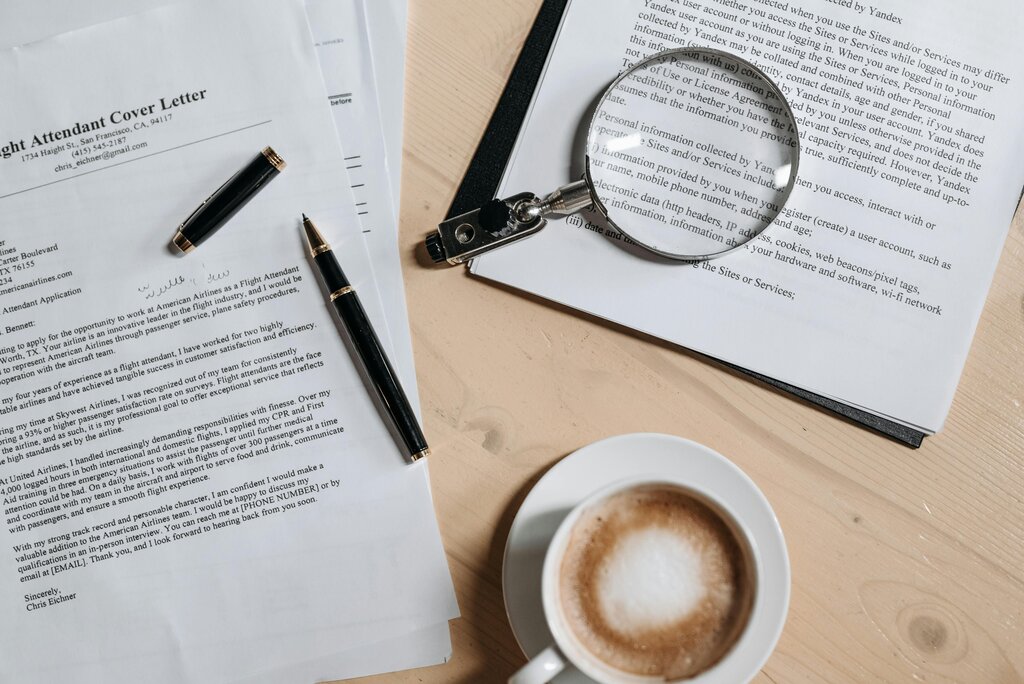
Resume vs. Cover Letter
It's easy to confuse the two, but they serve distinct purposes. A resume is a comprehensive overview of your professional history. A cover letter is a targeted pitch for a specific role.
| Feature | Resume | Cover Letter |
|---|---|---|
| Purpose | To summarize qualifications | To introduce and persuade |
| Focus | Past accomplishments | Future potential |
| Format | Structured, bullet points | Narrative, paragraphs |
| Tone | Factual and objective | Personal and enthusiastic |
Your resume answers the question, "What have you done?" Your cover letter answers the question, "Why should we hire you for this job?"
The Power of Personalization
The single most important aspect of a cover letter is tailoring it to the specific job and company. A generic, one-size-fits-all letter is easy to spot and often gets discarded. Hiring managers want to see that you've done your research and are genuinely excited about their organization and the role itself.
Personalizing your cover letter shows initiative. It demonstrates that you're not just looking for any job, but that you are specifically interested in this opportunity.
When you customize your letter, you can directly address the needs mentioned in the job description. You can highlight the exact skills and experiences that make you a strong match, creating a powerful and convincing argument for why you should be interviewed.
An effective cover letter can help you stand out from other applicants and get the hiring manager’s attention.
It's your chance to make a memorable first impression before anyone even looks at your resume.
Ready to check your understanding?
What is the primary purpose of a cover letter as compared to a resume?
A resume is a backward-looking document, while a cover letter is forward-looking, explaining how your experiences make you the ideal candidate for the company's future.
In short, a cover letter is your opportunity to go beyond the bullet points of a resume and show a potential employer who you are and what you can bring to their team.