Crafting the Perfect Elevator Pitch
Understanding Elevator Pitches
What's an Elevator Pitch?
An elevator pitch is a quick, persuasive speech that you can use to spark interest in what you do. The name comes from the idea that it should be short enough to deliver during a brief elevator ride. Think of it as a 30-to-60 second commercial for you, your product, or your idea.
The goal isn't to close a deal or land a job on the spot. It's to start a conversation.
This short summary is your chance to make a memorable first impression. It clearly and concisely explains who you are, what you're working on, and why someone else should care. A successful pitch makes the listener want to learn more, opening the door for a follow-up meeting or a deeper discussion.
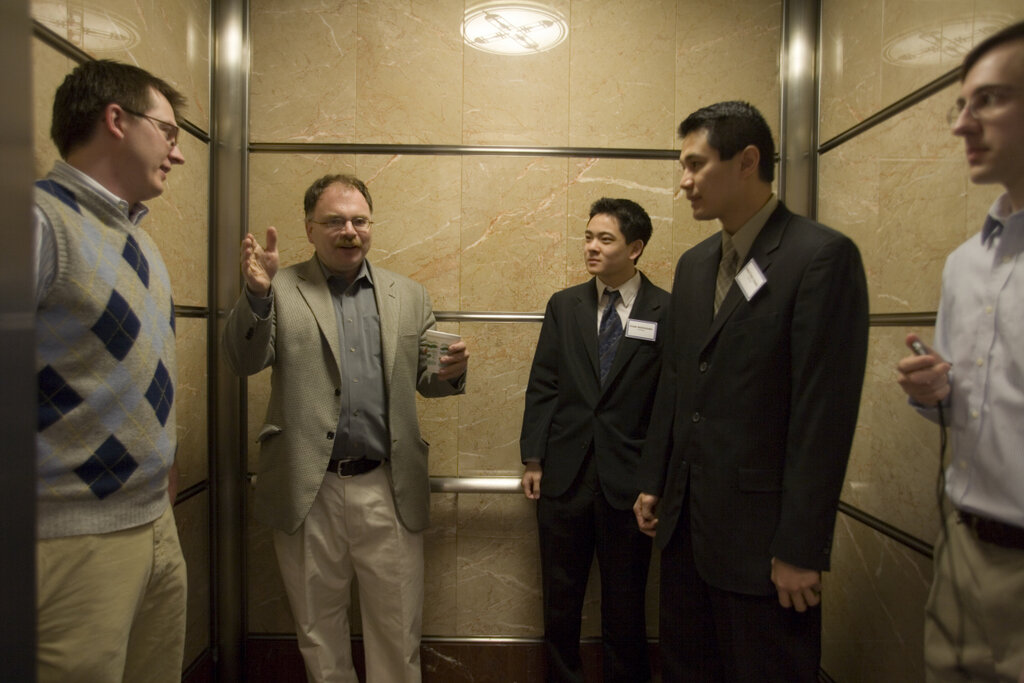
An elevator pitch is a compelling introduction that covers who you are, what you do, and why this matters.
The Core Components
While every pitch is unique, most effective ones share a common structure. They're built from a few key ingredients that, when combined, tell a clear and compelling story. Understanding these building blocks is the first step to creating a powerful introduction.
Let's break these down:
- Introduction: Start by saying who you are and your role or company.
- The Problem: Briefly describe a problem, need, or challenge that your audience can relate to.
- The Solution: Explain how your product, service, or idea addresses that specific problem. This is where you highlight your unique value.
- The Next Step: End with a clear call to action. What do you want to happen next? This could be asking for a business card, scheduling a meeting, or getting an introduction.
A good elevator pitch follows a four-part structure to answer key questions: Who are you? What do you do? What do you want? And what’s the next step?
Where Pitches Happen
The elevator pitch is a versatile tool for any situation where you have a limited time to make an impact. It’s not just for entrepreneurs seeking funding. Professionals of all kinds use it to build connections and open doors.
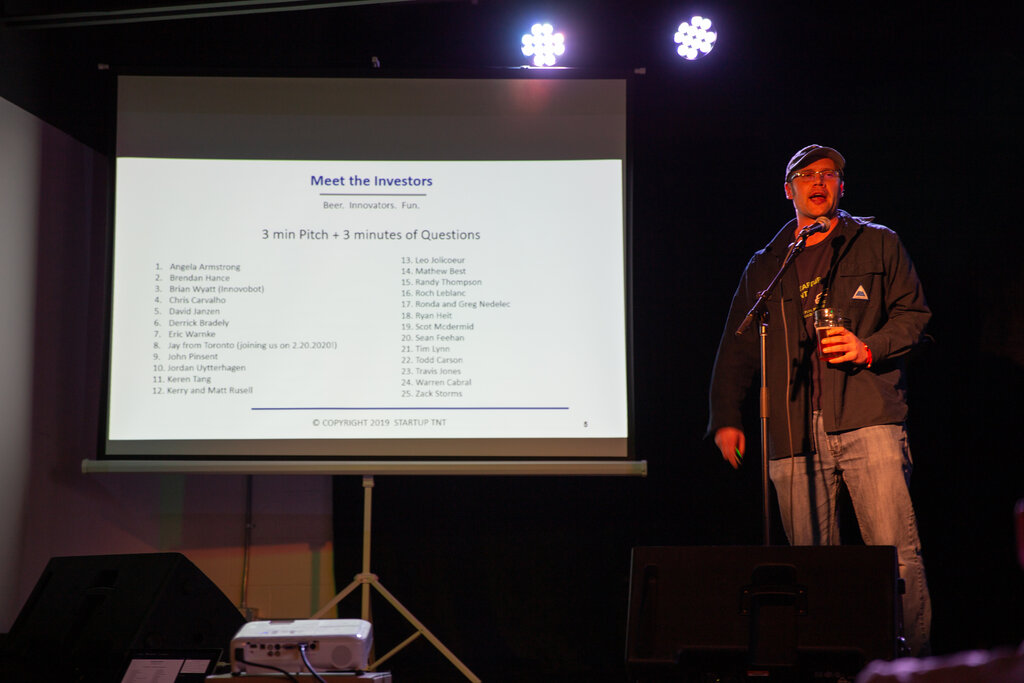
Common scenarios include:
- Networking Events: When you meet new contacts and need to quickly explain what you do.
- Investor Meetings: To give a high-level overview of your business before diving into details.
- Job Interviews: When asked the classic question, "So, tell me about yourself."
- Sales Opportunities: To capture a potential client's interest in your product or service.
- Chance Encounters: You never know when you might meet a key contact, whether at a conference, in a coffee shop, or even in an actual elevator.
A well-prepared pitch ensures you're ready to seize these opportunities whenever they arise.
What is the primary purpose of an elevator pitch?
Which of the following is NOT a standard component of a structured elevator pitch?
Having a solid elevator pitch ready is a fundamental professional skill. It ensures you can clearly and confidently communicate your value in almost any setting.