Crafting the Perfect Elevator Pitch
Understanding Elevator Pitches
The 30-Second Spark
Imagine you step into an elevator and find yourself next to a key investor or a potential boss. You have until their floor to make an impression. That short, powerful summary of your idea, project, or yourself is an elevator pitch. It’s not meant to cover every detail. Its purpose is to be a conversation starter—a quick spark of interest that makes the other person say, “Tell me more.”
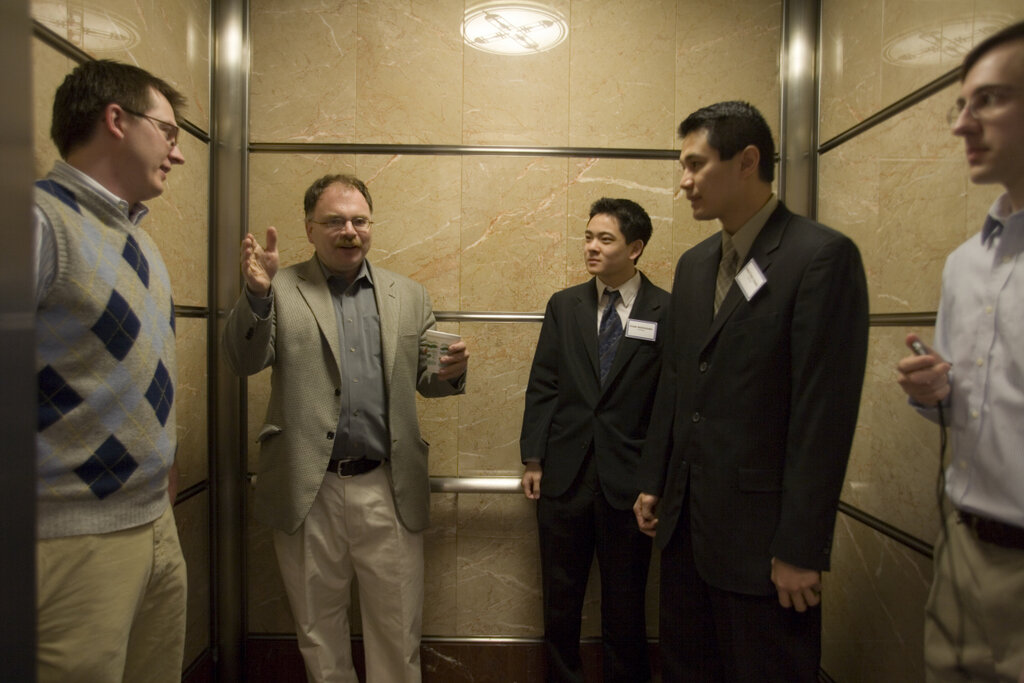
Think of it as the trailer for your movie. It should be compelling, concise, and clear, leaving the listener wanting to see the full film. To do this effectively, every pitch needs to have a solid structure built on a few core components.
The Core Components
A great elevator pitch isn't just a random collection of facts. It follows a logical flow that guides the listener from curiosity to action. While the exact wording will change, the underlying structure generally stays the same, built on three key pillars.
First is the introduction, where you quickly state who you are and what your project or company is. Next comes the value proposition. This is the heart of your pitch. It explains the problem you're solving and why your solution is unique or valuable. It answers the listener’s silent question: “Why should I care?”
Finally, every pitch needs a call to action. This is what you want to happen next. It could be asking for a business card, scheduling a follow-up meeting, or directing them to a website. It makes the next step clear and easy.
The goal isn't to say everything. It's to say just enough to start a real conversation.
Brevity and Clarity are Key
The most common mistake is trying to cram too much information into a short time. A great pitch is disciplined. It cuts through the noise and gets straight to the point. This respect for the other person's time is crucial for making a good first impression. Use simple, direct language and avoid jargon. If your listener has to struggle to understand what you’re saying, you’ve already lost their interest.
You might deliver your pitch at a networking event, a conference, during a chance encounter, or even in a job interview. In each case, the goal is the same: communicate your most important message quickly and effectively to open the door for a future opportunity.
A really effective elevator pitch should be just detailed enough to intrigue the audience and leave them wanting more, while staying as succinct as possible.
Let's review the key ideas before moving on.
What is the primary purpose of an elevator pitch?
Which part of the elevator pitch answers the listener's silent question, “Why should I care?”