Crafting the Perfect Elevator Pitch
Understanding Elevator Pitches
The 30-Second Introduction
Imagine stepping into an elevator and realizing you're sharing the ride with someone who could change your career. You have until their floor to make an impression. What do you say? This scenario is the origin of the elevator pitch: a short, persuasive speech you can use to spark interest in who you are and what you do.
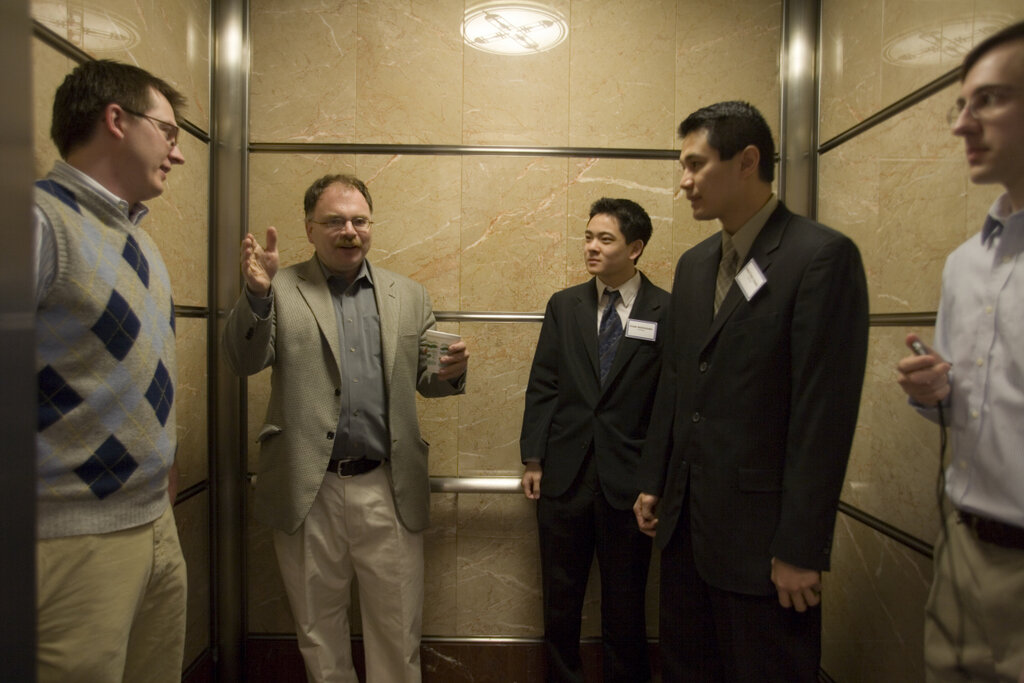
It’s not just for elevators, of course. An elevator pitch is your go-to summary for any situation where you have a brief window to capture someone's attention. Think of it as a verbal business card. It's a quick, clear way to communicate your value and open the door to a longer conversation.
The goal isn't to close a deal on the spot. It's to pique curiosity and earn the right to a follow-up.
Why Have a Pitch Ready?
Spontaneous opportunities pop up everywhere. You might find yourself talking to a potential client in a coffee line, meeting a hiring manager at a social event, or bumping into a potential investor at a conference. In these moments, fumbling for words can mean a missed connection.
A prepared pitch ensures you're always ready to present yourself confidently and effectively. It's a fundamental tool in professional settings. For job seekers, it's the answer to "Tell me about yourself." For entrepreneurs, it's the core of a conversation with a potential partner. For salespeople, it's the hook that grabs a customer's attention.
The Core Components
An effective elevator pitch isn't just about speed; it's about substance. Three key components make a pitch work:
-
Clarity: Use simple, direct language. Avoid jargon or acronyms that your audience might not understand. The message should be instantly graspable.
-
Brevity: This is the most obvious element. A good pitch gets to the point quickly, typically in 30 to 60 seconds. Respecting the listener's time is crucial.
-
Relevance: A great pitch is tailored to the listener. While you should have a core message, you need to connect it to why the other person should care. What problem do you solve for them? What opportunity do you present?
Your best elevator pitch typically hinges on three core principles: clarity, conciseness, and confidence.
Mastering these elements transforms a simple introduction into a powerful networking tool. It allows you to communicate your value proposition clearly and memorably, no matter where you are.
What is the primary goal of an elevator pitch?
According to the text, which of the following is NOT a key component of an effective elevator pitch?
Having a well-crafted pitch ready helps you turn unexpected encounters into valuable opportunities.