Crafting the Perfect Elevator Pitch
Understanding Elevator Pitches
What's an Elevator Pitch?
Imagine stepping into an elevator and realizing you're sharing the ride with the CEO of a company you admire or a potential investor for your new project. You have about 30 seconds to make an impression before the doors slide open. What do you say?
This is the classic scenario for an elevator pitch: a short, persuasive speech that you can use to spark interest in who you are and what you do.

The goal isn't to tell your entire life story or close a major deal on the spot. It's to be clear, memorable, and interesting enough to make the other person want to continue the conversation. Think of it as a verbal business card.
An elevator pitch is a compelling introduction that covers who you are, what you do, and why this matters.
It’s a fundamental tool for anyone looking to make connections, whether you’re a job seeker, an entrepreneur, or a professional expanding your network.
When to Use a Pitch
While the name comes from a hypothetical elevator ride, you'll rarely use it in an actual elevator. Instead, it's a versatile tool for many professional situations.
- Networking Events: When you meet someone new and they ask, "So, what do you do?"
- Job Interviews: It's a great way to start your answer to "Tell me about yourself."
- Startup Pitches: Entrepreneurs use them to quickly explain their business idea to potential investors or partners.
- Chance Encounters: You never know when you'll bump into someone who could be a valuable connection—at a conference, in a coffee shop, or even at a social gathering.
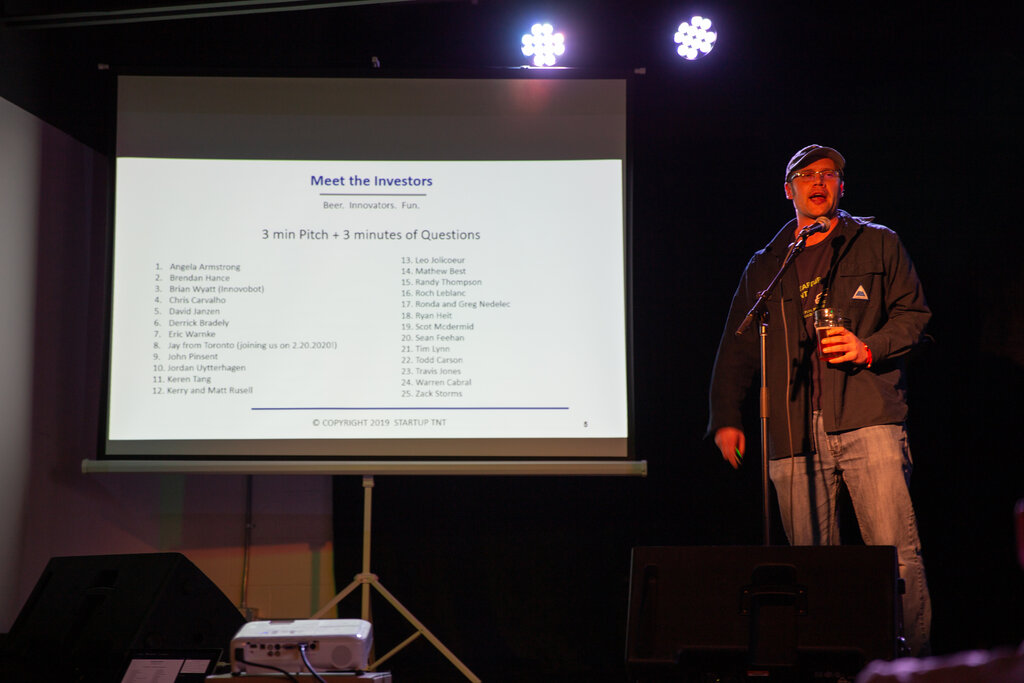
In any of these settings, having a polished pitch ready allows you to clearly and confidently communicate your value without fumbling for words. It shows you're prepared and professional.
The Core Components
A great elevator pitch is more than just a quick summary; it's a carefully constructed message. While the exact wording will change depending on your goal and audience, every effective pitch includes a few key ingredients.
Let's break these down:
- Introduction: Start with who you are. This is simple: your name and your title or what you're passionate about (e.g., "I'm a software developer passionate about building accessible technology").
- The Problem: Briefly state the problem you solve or the need you meet. A good pitch often starts with a relatable pain point.
- Your Solution: Explain how you solve that problem. This is where you describe your product, service, or skill set.
- Value Proposition: What makes your solution unique? This is your secret sauce—the key benefit or feature that sets you apart from others.
- Call to Action: End with what you want to happen next. This could be asking for a business card, scheduling a follow-up call, or getting an introduction. It makes the next step clear.
Your pitch should be clear enough for someone outside of your industry to understand. Avoid jargon and acronyms.
By structuring your thoughts around these five components, you can craft a message that is not only brief but also impactful and easy for your listener to follow.
What is the primary goal of an elevator pitch?
According to the text, which of these is NOT a core component of a well-structured elevator pitch?
Having a solid elevator pitch is a powerful career tool. It allows you to seize opportunities and present yourself with confidence in just a few seconds.