Crafting Simple Stories
Introduction to Story Elements
The Building Blocks of a Story
Every story you've ever read, from a simple children's book to a blockbuster movie, is built from the same fundamental parts. Think of them as ingredients in a recipe. When you mix them together, you create a narrative. Let's break down the four essential elements: characters, setting, plot, and theme.
Who Is in the Story?
Stories need someone to happen to. These are your characters. A character can be a person, an animal, or even an object that thinks and acts. They are the heart of the story, driving the action forward through their decisions, conversations, and feelings.
Character
noun
A person, animal, or entity that takes part in the action of a story.
The most important character is called the protagonist. This is usually the hero or the person the audience is rooting for. You experience the story through their eyes.
Where and When It Happens
Every story unfolds somewhere. The setting is the time and place of the action. It's more than just a backdrop; a good setting can create a mood, present challenges for the characters, and make the world of the story feel real and immersive.
Is the story set in a futuristic city in the year 3000? A magical forest? Or a regular high school classroom last Tuesday? The answer to these questions establishes the setting.
Setting
noun
The time and place in which a story occurs.
What Happens Next
If characters are the 'who' and setting is the 'where' and 'when', then the plot is the 'what'. The plot is the sequence of events that make up the story. It's the action, the conflicts, and everything that happens from start to finish.
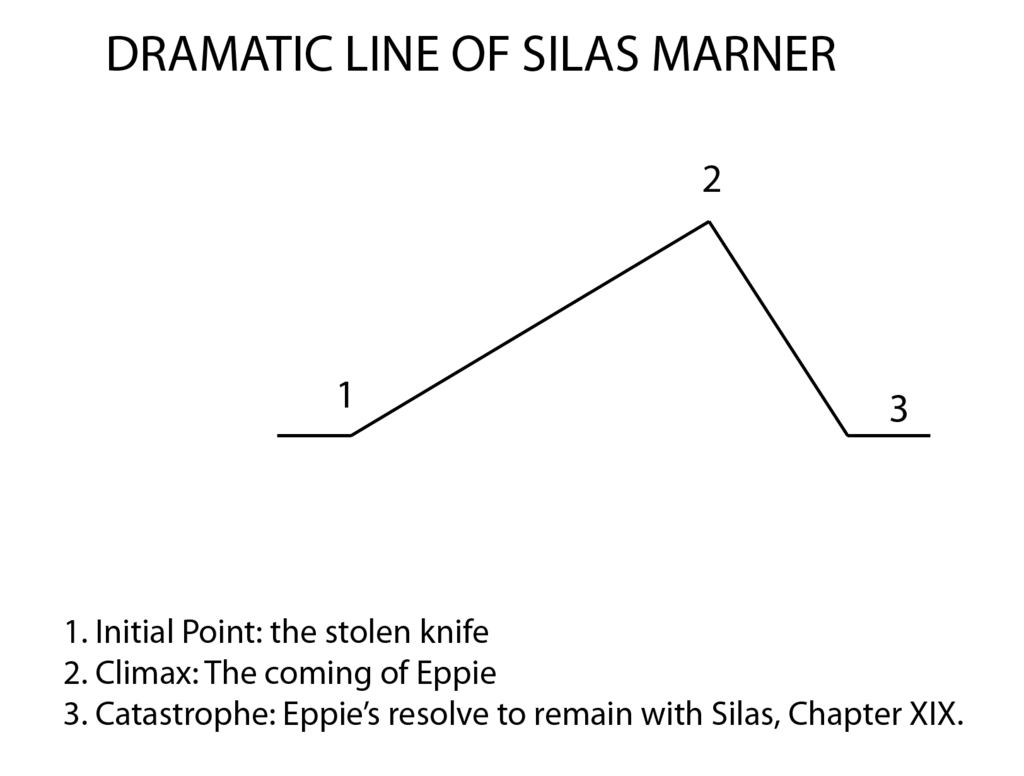
At its simplest, a plot has three parts: a beginning, a middle, and an end.
This structure gives the story a logical flow.
- Beginning: This is where we meet the characters and learn about the setting. The initial situation is established.
- Middle: A problem, conflict, or challenge is introduced. This is where the tension builds as the characters try to solve the problem.
- End: The problem is resolved. We see the outcome of the characters' actions, and the story comes to a close.
The Main Idea
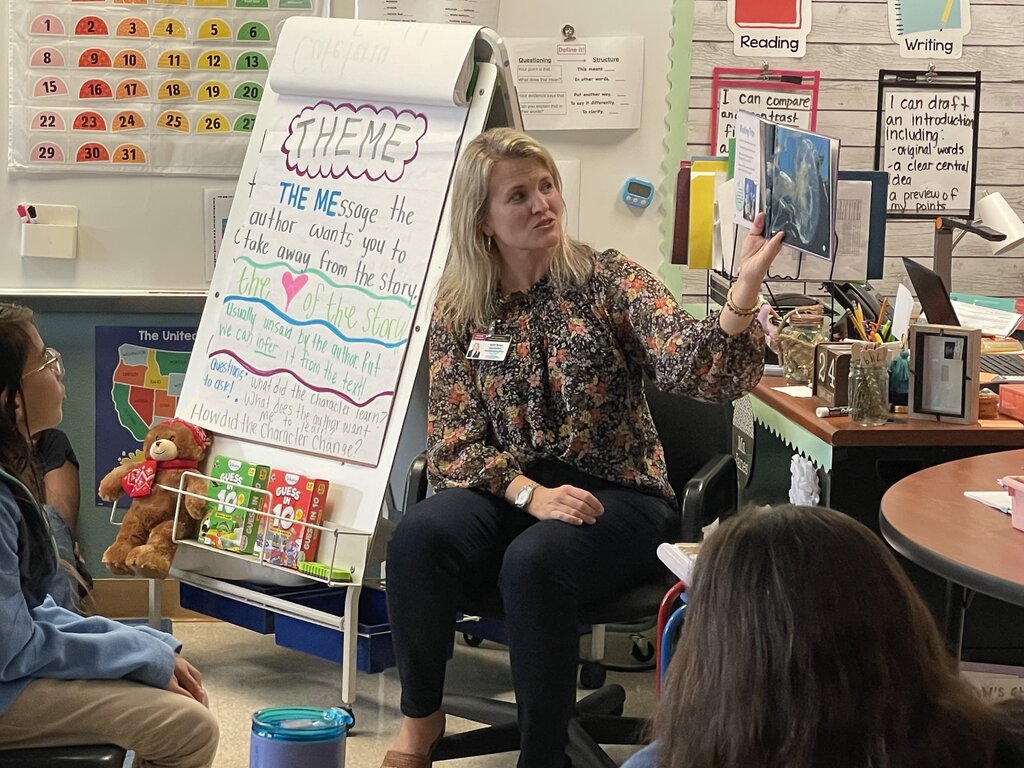
Beyond the events of the plot, most stories have a deeper meaning or message. This is the theme. It's the central idea the author wants to convey to the reader. A theme isn't usually stated directly. Instead, it’s something you figure out by looking at the characters' journeys and the story's outcome.
Theme
noun
The central message, moral, or underlying idea of a story.
Common themes in stories include friendship, courage, the struggle between good and evil, or the importance of being true to yourself. The theme is what makes a story stick with you long after you've finished reading.
Now that you know the four basic ingredients, you can start to see how they work together in any story you encounter. Let's review them with some flashcards.
Ready to check your understanding?
Which element of a story establishes the time and place of the action?
In a story, what is the term for the main character that the audience typically roots for?
By understanding characters, setting, plot, and theme, you have the foundation for both analyzing stories and creating your own.