Crafting Silver Jewelry
Introduction to Silver Jewelry Making
The Allure of Silver
Silver has captivated artisans for thousands of years. It's not just its bright, reflective shine; silver is also wonderfully cooperative. It's soft enough to be shaped with relative ease but strong enough to last a lifetime. This unique combination makes it an ideal starting point for anyone interested in making metal jewelry.
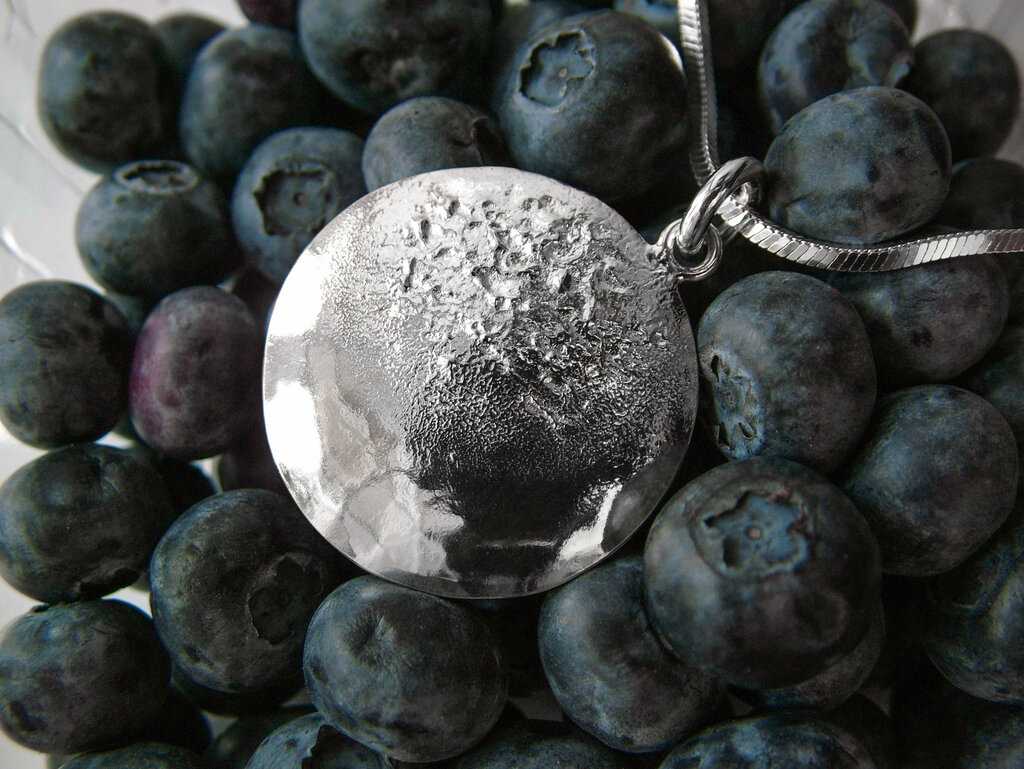
When you start working with silver, you'll encounter a few different types. The most common are fine silver and sterling silver.
- Fine Silver is 99.9% pure silver. It’s very soft, bright white, and highly resistant to tarnish. Because of its softness, it’s often used for delicate items like bezels or in metal clay.
- Sterling Silver is an alloy, meaning it's a mix of metals. It consists of 92.5% silver and 7.5% other metals, usually copper. The added copper makes sterling silver much harder and more durable than fine silver, which is why it's the standard for most jewelry.
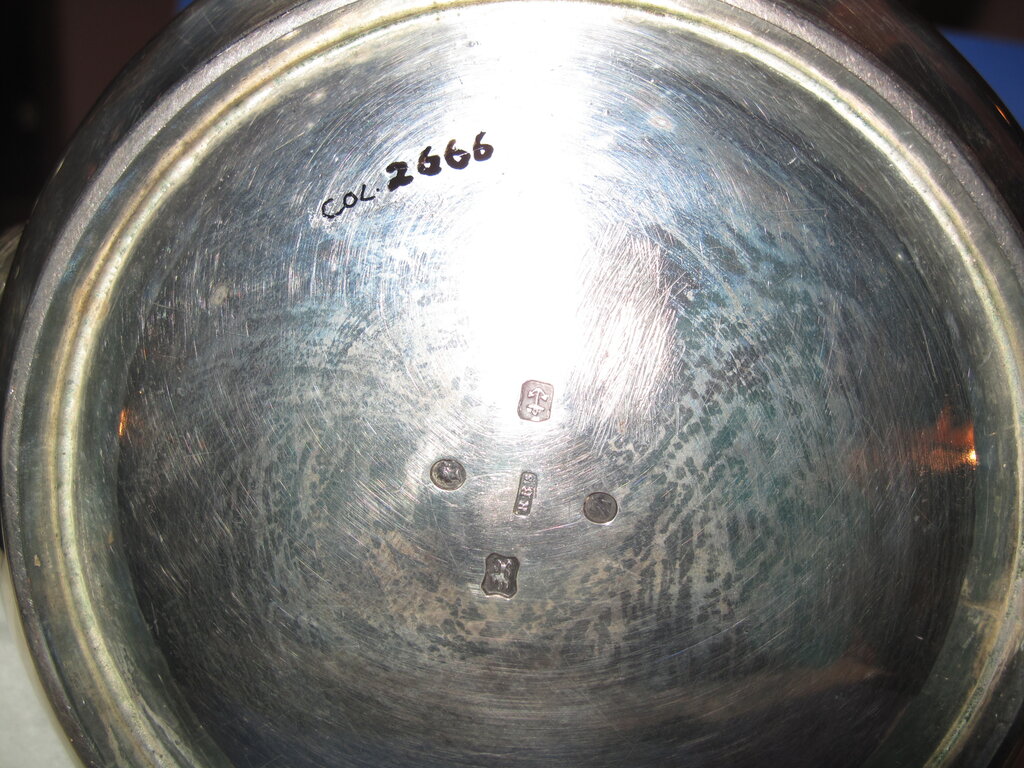
To prove its quality, sterling silver is often stamped with a hallmark, typically the number "925," indicating its 92.5% silver content. This mark is a guarantee of authenticity.
Your First Toolkit
Stepping into silversmithing doesn't require a massive investment. You can start with a handful of essential hand tools that will serve you well across countless projects. Think of these as the foundation of your workshop.
| Tool | Purpose |
|---|---|
| Jeweler's Saw | For cutting precise shapes from sheet metal. |
| Files & Sandpaper | To shape, smooth, and refine edges. |
| Pliers | A set (round-nose, flat-nose, chain-nose) for bending wire and holding parts. |
| Butane Torch | A small, handheld torch for soldering pieces together. |
| Bench Pin | A wooden block that attaches to your table, providing support for sawing and filing. |
| Rawhide Mallet | For shaping metal without leaving marks. |
| Steel Block | A hard, flat surface for hammering and stamping. |
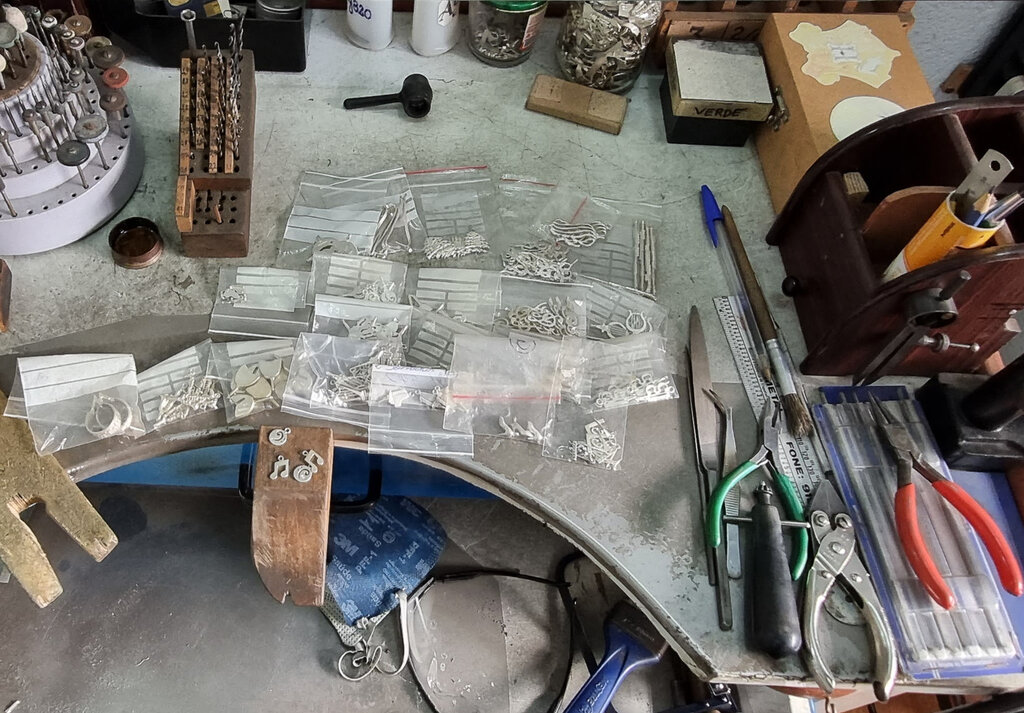
With just these items, you can saw, shape, and join silver. You'll buy silver as raw material, typically in the form of sheet metal or wire, which you will then transform with your tools.
Working Safely
Working with torches and metal requires a serious approach to safety. Your workspace should be clean, organized, and dedicated to your craft. Never work on a flammable surface. A sturdy wooden desk with a fireproof soldering block is ideal.
Always prioritize your health with these three non-negotiables:
- Eye Protection: Wear safety glasses at all times. Whether you're sawing, soldering, or polishing, small bits of metal can fly off unexpectedly.
- Ventilation: Soldering produces fumes that should not be inhaled. Work in a well-ventilated area, preferably with an open window and a fan to direct fumes away from you.
- Fire Safety: Keep a fire extinguisher within easy reach. Never leave a lit torch unattended, and be sure to quench (cool in water) your hot metal pieces completely.
Tie back long hair and avoid wearing loose, flammable clothing when soldering. Safety first, always.
The Language of the Craft
Every craft has its own vocabulary. Understanding a few key terms will help you follow instructions and understand the processes involved.
anneal
verb
The process of heating metal to make it softer and easier to work with. As you hammer and bend silver, it becomes 'work-hardened'; annealing reverses this.
Annealing is a fundamental step you'll repeat often. It keeps the metal from becoming brittle and breaking.
solder
noun
An alloy with a lower melting point than silver, used to join two pieces of metal together. It comes in different grades (hard, medium, easy) that melt at different temperatures.
Soldering is the magic that turns separate components into a single, cohesive piece of jewelry. To make the solder flow, you'll also need flux, a chemical that cleans the metal and helps the solder bond.
Another term you'll hear is pickling. After soldering, the metal is covered in a dark layer of oxidation called firescale. Pickling involves dipping the piece in a warm, acidic solution to clean this off, revealing the bright silver underneath.
These basics—the right material, a few good tools, and a safe approach—are your entry point into the rewarding world of silversmithing.
Ready to check your understanding? This quiz covers the fundamental concepts we've just discussed.
What is the primary reason copper is added to silver to create sterling silver?
A piece of silver jewelry is stamped with the number "925". What does this signify?
With this foundation, you're ready to start exploring the techniques that will bring your creative ideas to life.