Crafting Research Papers with Primary Sources
Understanding Research Papers
The Blueprint of Discovery
Research papers are the primary way scholars and scientists communicate their work. Think of them not just as summaries of facts, but as structured arguments. Each paper presents a claim or a finding and then systematically builds a case to support it, showing the evidence and reasoning every step of the way.
This standardized format isn't just for tradition. It allows readers to know exactly where to find specific information, whether they're looking for the study's main conclusion, how the data was collected, or what other research the work is based on. It creates a shared language for communicating complex ideas.
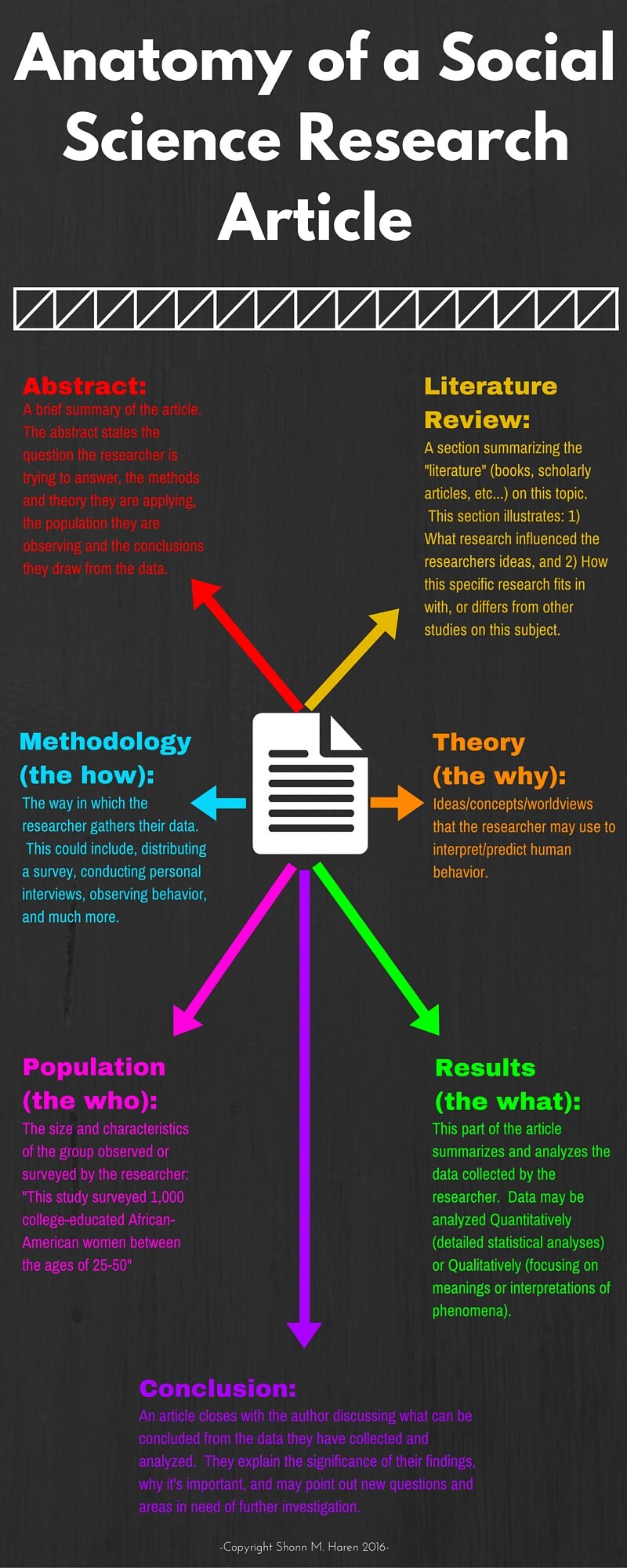
From Question to Conclusion
Most research articles follow a pattern often called IMRAD, which stands for Introduction, Methods, Results, and Discussion. This structure logically guides the reader through the research process, from the initial question to the final interpretation.
Most research papers follow a similar format (IMRAD).
Let's walk through the key sections.
Abstract: This is a short summary of the entire paper. It briefly states the problem, the methods used, the key findings, and the main conclusion. It’s designed to give you a quick overview so you can decide if the full paper is relevant to you.
Introduction: Here, the authors set the stage. They provide background information on the topic, explain why the research is important, and state the specific question or hypothesis they are investigating. Often, this section includes a literature review, which surveys existing research on the topic to show what is already known and where the gaps are.
Methodology: This section is the “how-to” of the paper. It describes exactly how the study was conducted, including the materials, procedures, and data analysis techniques. The goal is to provide enough detail for another researcher to replicate the study. It’s all about transparency.
Results: Here, the authors present their findings without any interpretation. This section delivers the raw data, often using tables, graphs, and figures to make the information clear. It simply says, “Here is what we found.”
Discussion: This is where the authors interpret the results. They explain what the findings mean, how they relate back to the original research question, and how they fit into the broader field of study. They might also mention limitations of their study and suggest directions for future research.
Conclusion: Finally, the conclusion provides a brief wrap-up. It restates the most important findings and their significance, bringing the paper to a clean close.
The Flow of Ideas
A good research paper is more than just a collection of sections. It's a cohesive narrative that flows logically from one part to the next. The introduction poses a question, the methods describe the path to an answer, the results present the answer, and the discussion explains what that answer means.
Each section builds on the one before it, creating a clear and coherent story of the research journey.
This clarity is crucial. It ensures that the findings are presented without ambiguity, allowing other researchers to understand, evaluate, and build upon the work. The structured format helps maintain this clarity, making the complex process of scientific discovery accessible to all.
Now, let's test your understanding of how these pieces fit together.
What is the primary function of a research paper in academic and scientific communities?
If a researcher wanted to quickly understand a paper's main findings and conclusion to see if it's relevant to their own work, which section should they read first?
By understanding this fundamental structure, you can read academic papers more efficiently and critically, whether you're a student, a researcher, or just a curious reader.