Crafting Realistic Video Prompts
Introduction to Text-to-Video Generation
From Words to Motion Pictures
At its core, text-to-video generation is a type of artificial intelligence that creates video clips from simple text descriptions, or prompts. You write a sentence describing a scene, and the AI builds a short movie of it. Think of it as a supremely talented animator who can instantly bring any idea you type to life, from "a golden retriever chasing a ball in a sunny park" to "a spaceship landing on a Mars-like planet."
This technology works by combining two major fields of AI: Natural Language Processing (NLP) and computer vision. NLP helps the machine understand the meaning, context, and nuances of your written prompt. Computer vision is what allows the AI to generate and piece together the visual elements—the colors, shapes, and movements—that form the final video.
The significance of this technology is huge. For decades, creating video content has required specialized skills, expensive equipment, and a lot of time. Text-to-video AI democratizes the process, making it possible for anyone with an idea to create compelling visuals. This opens up new possibilities for artists, marketers, educators, and storytellers of all kinds.
A Quick Evolution
Text-to-video didn't just appear out of nowhere. It's the next logical step in a journey that began with text-to-image generation. A few years ago, AI models started getting remarkably good at creating still images from prompts. You’ve likely seen examples of these, from photorealistic portraits to fantastical landscapes.
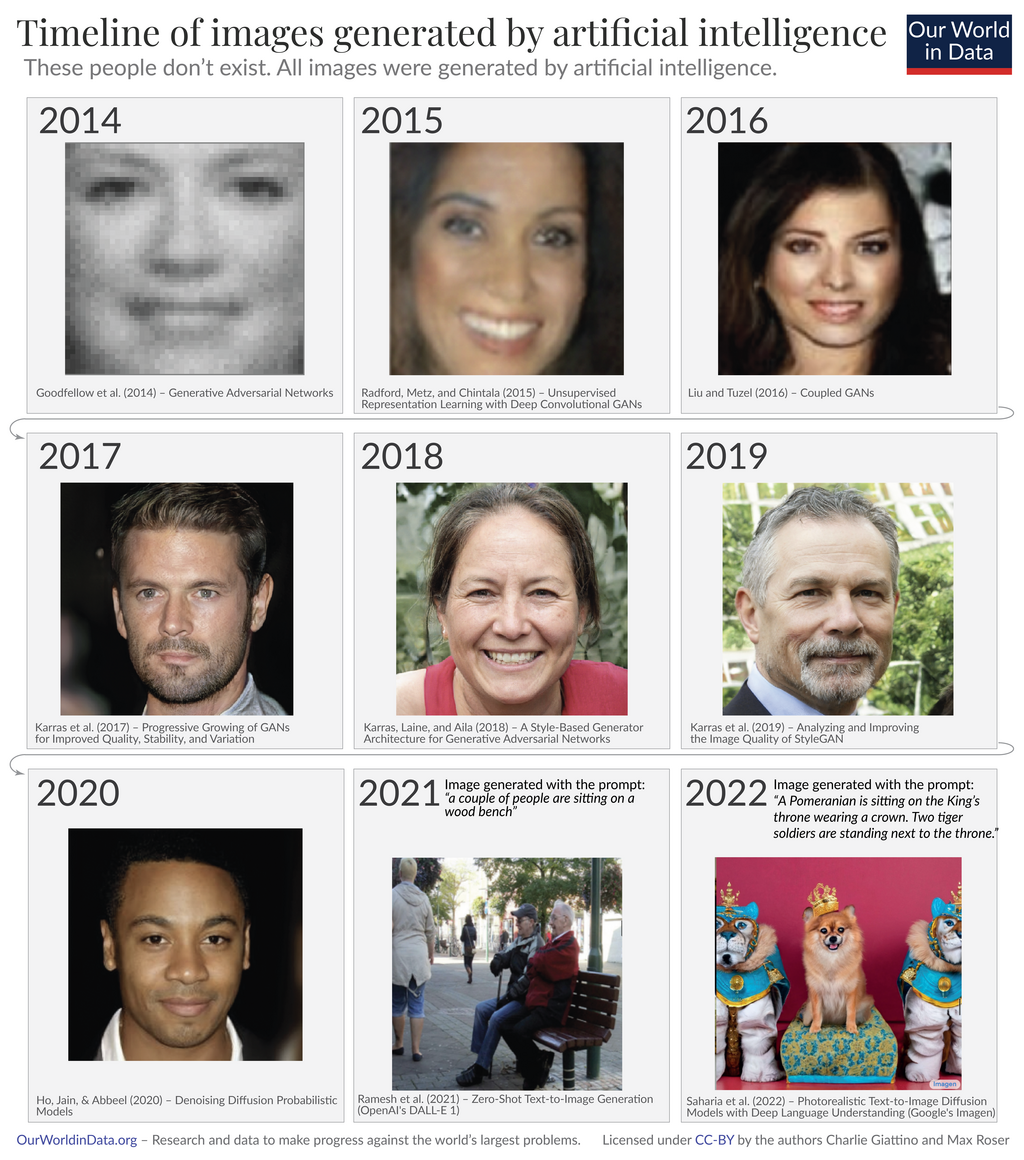
Once AI mastered still images, the challenge became adding the dimension of time and motion. Early attempts at text-to-video were often blurry, short, and lacked coherence. The videos might have shown a recognizable subject, but the movement was jittery and unnatural. However, just like with image generation, the technology has advanced at an astonishing pace. Today's models can produce high-definition clips with smooth motion and consistent characters and backgrounds, all from a single prompt.
How It's Being Used Today
The applications for text-to-video generation are already spreading across various industries. In marketing, companies can quickly generate custom video ads for social media campaigns without needing a full production crew. Instead of describing a concept for an advertisement to a creative team, they can simply type it out and see a draft in minutes.
For filmmakers and content creators, text-to-video tools can be used for storyboarding and creating pre-visualizations, helping them plan out complex scenes before filming begins.
In education, teachers can create animated explainers for complex topics, making learning more engaging and accessible. Imagine a history lesson where students can watch a short, AI-generated clip of a historical event as the teacher describes it. This technology is also finding a place in entertainment, from generating short clips for social media to potentially assisting in the creation of full-length animated features in the future.
As the technology continues to evolve, it will unlock even more creative possibilities, changing not just how we make videos, but how we communicate and tell stories.
Let's check your understanding of these new concepts.