Crafting Newsworthy Press Releases
Understanding Press Releases
What Is a Press Release?
A press release is an official announcement that an organization sends to the media. Think of it as a direct line to journalists, reporters, and news outlets. The goal is to share something newsworthy in a clear, concise way, hoping that the media will find it interesting enough to share with their audience.
Press Release
noun
An official statement delivered to members of the news media for the purpose of providing information, making an official announcement, or making a statement on a matter of public interest.
The key word here is newsworthy. A press release isn't an advertisement or a sales pitch. It’s a tool for communicating actual news: a product launch, a major company milestone, a scientific discovery, or a response to a current event. If it's not news, it doesn't belong in a press release.
Keep in mind that press releases should only be distributed when your business has newsworthy information that’s relevant and interesting to the target audience — whether it’s local press contacts, industry specialists or consumers as a whole — not simply with the sole intent of advertising.
The Anatomy of a Press Release
Press releases follow a standard format to make it easy for journalists to quickly understand the story. This structure ensures the most important information is front and center.
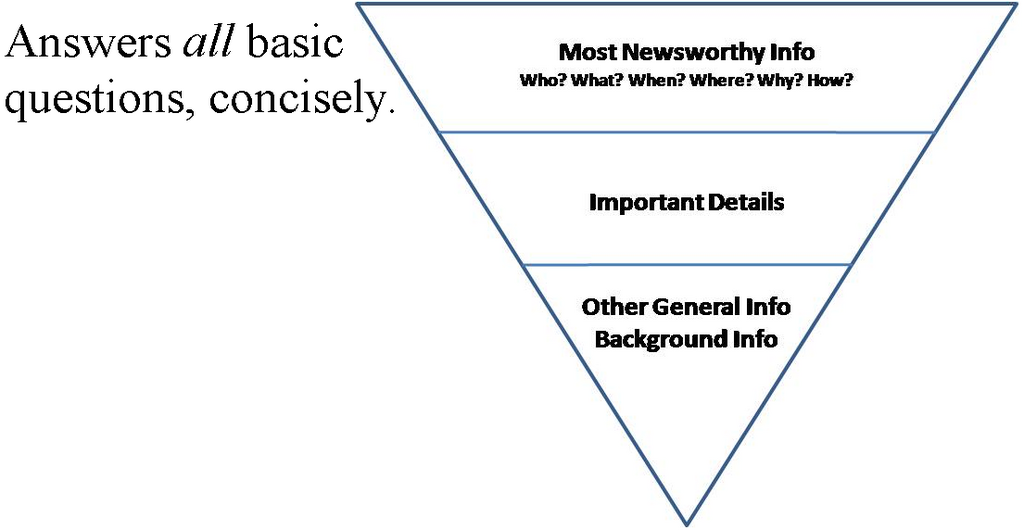
Here are the main components:
-
Headline: A short, catchy title that sums up the news. It's the first thing a journalist sees, so it needs to grab their attention.
-
Lead Paragraph: This is the most crucial part. The first paragraph should summarize the entire announcement in one or two sentences. It answers the key questions: Who, What, When, Where, and Why.
-
Body: After the lead, the body provides more detail, context, and supporting information. This can include quotes from key people, statistics, or background on the topic.
-
Boilerplate: This is a short “About Us” paragraph at the end of the release. It gives a brief overview of the organization sending the news.
-
Contact Information: This section includes the name, phone number, and email of the person a journalist can contact for more information or to schedule an interview.
The lead paragraph should concisely summarize the announcement, addressing the five Ws: Who, What, Where, When, and Why.
Why Timing and Relevance Matter
Two factors can make or break a press release: timeliness and relevance. News has a short shelf life. An announcement about something that happened last month is no longer news. A press release must be timely, relating to something happening now or in the very near future.
Relevance is just as important. The information must matter to the audience of the media outlet receiving it. A tech publication won't care about a new restaurant opening, and a local newspaper in Miami probably won't cover a small community event in Seattle. The story has to be a good fit for the journalist and their readers.
By understanding these core elements, you can see how press releases serve as a foundational tool for communicating with the public through the media.