Crafting Neem Soap
Introduction to Soap Making
The Chemistry of Clean
At its heart, making soap isn't like baking a cake where you just mix ingredients together. It's a chemical transformation. You start with oils and fats, add a strong alkali, and end up with something entirely new: soap.
saponification
noun
The chemical reaction in which a fat or oil is combined with an alkali, such as lye, to create soap and glycerin.
This process is the foundation of all soap making. Think of it like a lock and key. The alkali, usually sodium hydroxide (lye), is the key that unlocks the fatty acids within the oils. Once unlocked, they rearrange themselves into soap molecules and a useful byproduct called glycerin, which is a natural moisturizer.
Every soap recipe balances these core components. The type of oils used affects the final bar's properties—like how hard it is, how much it lathers, and how it feels on the skin. The lye is the catalyst that drives the reaction, and the water acts as a solvent to dissolve the lye so it can mix with the oils.
It’s crucial to get the measurements exactly right. Unlike a cooking recipe where you can add a little extra spice, soap making is precise chemistry. The ratio of lye to oil must be correct to ensure all the lye is consumed during saponification. If done properly, there is no lye left in the finished soap, only skin-loving soap and glycerin.
Three Paths to a Perfect Bar
While the basic chemistry is always the same, there are a few different ways to get there. The method you choose depends on your comfort level, how much control you want over the ingredients, and how much time you have.
| Method | How It Works | Best For |
|---|---|---|
| Cold Process | Oils and a lye-water solution are mixed at room temperature. The soap batter is poured into a mold where saponification occurs over 24-48 hours. It then needs to cure for 4-6 weeks. | Crafters who want full control over ingredients and enjoy artistic designs like swirls. |
| Hot Process | The soap mixture is cooked in a slow cooker or pot, forcing the saponification process to complete in a couple of hours. The soap is ready to use much sooner. | Those who prefer a more rustic look and want to use their soap almost immediately. |
| Melt and Pour | A pre-made soap base (where saponification has already happened) is melted down. You simply add your own colors and fragrances, then pour it into a mold to set. | Beginners, kids, or anyone wanting a quick, simple project without handling lye. |
Each method produces a wonderful bar of soap. The cold process method offers the most creative freedom, while hot process speeds things up considerably. Melt and pour is the most accessible starting point, letting you focus on the fun of customization without the more complex chemical steps.
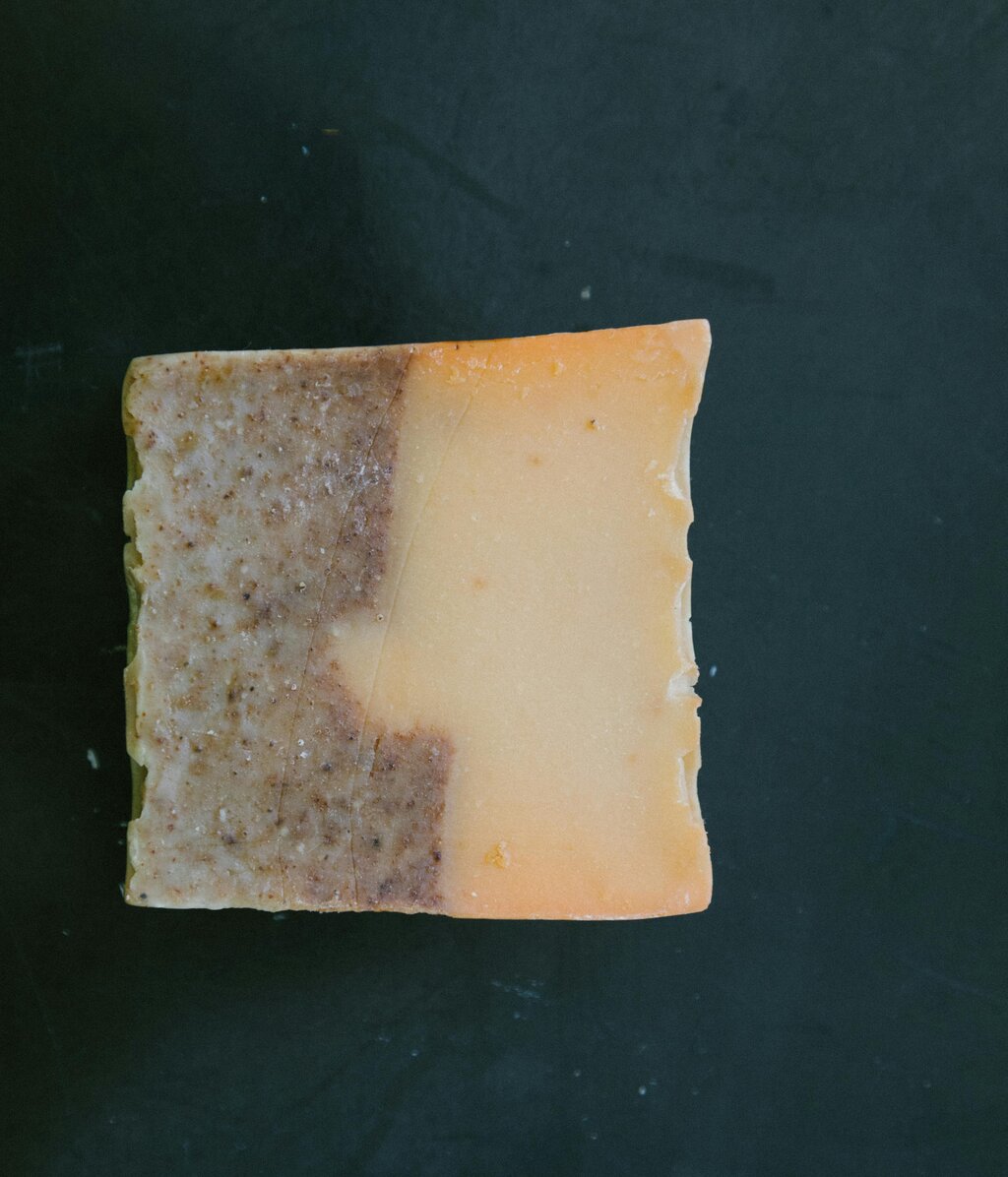
Soap making recipes are NOT like cooking recipes, where you can substitute one type of oil for another.
This is the most important rule in soap making. Different oils require different amounts of lye to saponify completely. Using a precise, tested recipe ensures your final product is safe, effective, and feels great on your skin.
The chemical process of turning fats and oils into soap is called:
In a correctly formulated and cured bar of soap, what happens to the lye (sodium hydroxide)?