Crafting Ironclad Freelance Contracts
Understanding Freelance Contracts
Your Professional Handshake
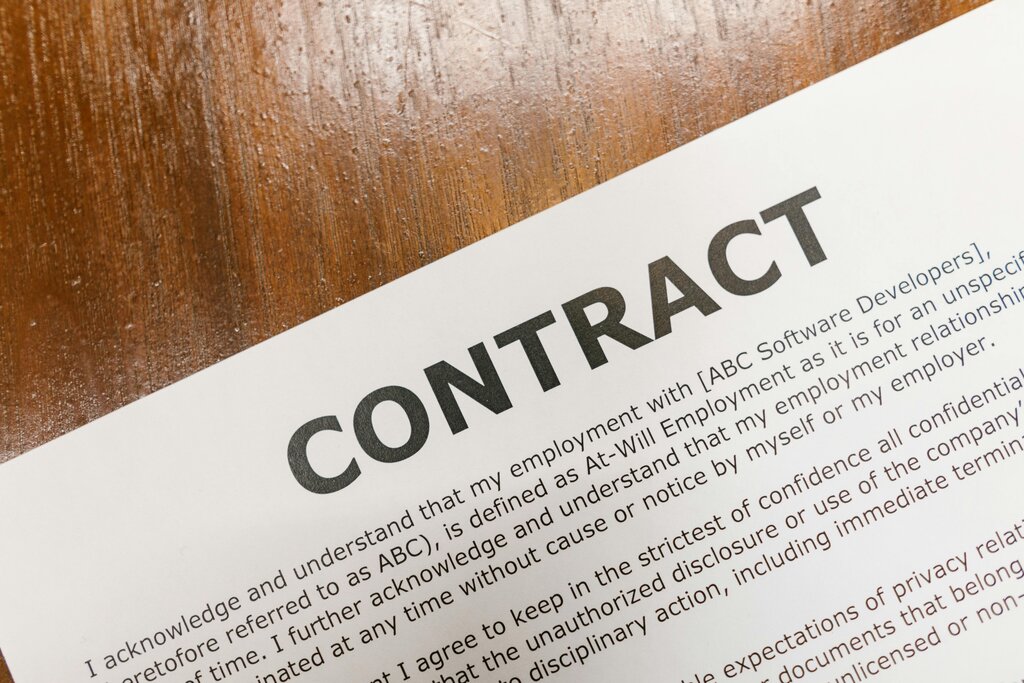
A freelance contract is more than just a legal document; it’s a roadmap for your project. Think of it as a formal, written handshake that sets clear expectations for both you and your client. It outlines exactly what work you’ll do, how much you’ll be paid, and when everything is due. This clarity prevents misunderstandings and builds a strong, professional relationship from the start.
A freelance contract is the foundation of a successful client relationship.
Getting everything in writing might feel overly formal, especially with a friendly client, but it protects everyone involved. It ensures you’re on the same page about the project's goals and how you'll get there together.
What's Inside a Contract?
While contracts can vary, a few key sections are non-negotiable. Mastering these will help you create agreements that are fair, clear, and professional.
Scope of Work This is the heart of your contract. The scope of work section details exactly what you will deliver. It should be specific, listing all the tasks, deliverables, and deadlines.
For example, instead of saying "write a blog post," a good scope of work would specify: "Write one 1,200-word blog post on the topic of sustainable gardening, including two rounds of revisions. The first draft is due by June 15th."
Being precise here helps prevent "scope creep"—when a project slowly expands with extra requests that weren't part of the original agreement.
A clear scope of work defines the project's finish line before the race even begins.
Payment Terms This section outlines everything related to money. It should state the total project fee or your hourly rate. It also needs to include the payment schedule, such as 50% upfront and 50% upon completion, or net 30 days after invoicing.
Don't forget to mention how you accept payments (e.g., bank transfer, online payment service) and what happens if a payment is late.
Payment terms are a CRUCIAL aspect of any freelance contract.
Confidentiality Clause Clients often share sensitive information about their business, and they need to trust that you’ll keep it private. A confidentiality clause, sometimes called a Non-Disclosure Agreement (NDA), is a promise that you won't share any proprietary information you learn while working on the project.
This builds trust and shows your professionalism, assuring the client their business secrets are safe with you.
Let's see what you've learned about the essentials of freelance contracts.
What is the primary purpose of a freelance contract?
Which of the following is the BEST example of a well-defined item in a 'Scope of Work' section?
A solid contract doesn't just protect you—it empowers you. It turns a casual agreement into a professional partnership, setting the stage for great work and a healthy client relationship.