Crafting Interactive Questionnaires for Jamie Lee Curtis Books
Thematic Inquiry Foundations
Finding the Big Ideas
When we read a children's book, it's easy to focus on the plot: what happens next? But beneath the story lies a deeper layer of meaning, or theme. Themes are the big ideas that a book explores, like friendship, courage, or loss. They give a story its heart and provide a powerful tool for connecting with young readers.
Take Jamie Lee Curtis and Laura Cornell's Tell Me Again About the Night I Was Born. On the surface, it's a story about adoption. But the core theme is 'belonging.' The book frames the child's arrival as a celebrated , a narrative that answers the fundamental childhood question, 'Where do I come from?' This structure reinforces a powerful sense of identity and security, making the child the hero of their own beginning.
By focusing on the theme of belonging, the book moves beyond the logistics of adoption and taps into the universal human need to be part of a family.
Emotions on the Page
Another powerful theme to explore is the nature of emotions themselves. Today I Feel Silly & Other Moods That Make My Day tackles this directly. The book’s central idea is that feelings are fluid and changeable, and it’s okay to experience a wide range of them. The main character moves from silly to angry to happy, showing that no single emotion is permanent or defines who you are.
This narrative provides an excellent framework for discussing emotional with a child. By seeing the character navigate her different moods, children learn to recognize and name their own feelings. The story arc maps directly to a key developmental milestone: understanding that emotions are temporary states, not permanent traits. It gives them a vocabulary to express what's happening inside, which is the first step toward managing it.
Reading with Your Eyes
In picture books, the words are only half the story. Laura Cornell's whimsical, energetic illustrations are packed with detail and emotional cues. This is where visual literacy comes in, the ability to interpret and find meaning in images. Cornell's art doesn't just decorate the page; it deepens the narrative, often providing more emotional context than the text itself.
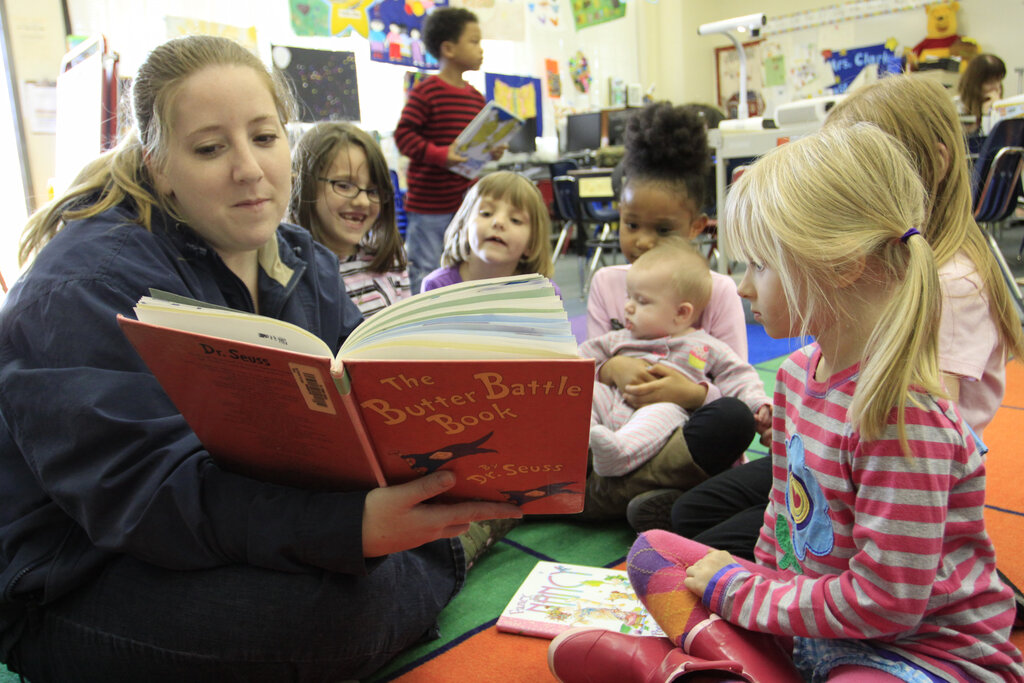
Use the illustrations as prompts. Instead of just reading the words, pause and ask questions. A 'teachable moment' occurs when a child's personal experience can intersect with the character's journey. You can create these moments by focusing on the visual details.
- "Look at her face here. How do you think she's feeling? Why is her hair flying around like that?"
- "What else is happening in this room? Do you see the silly monster under the bed?"
These questions encourage children to look closer and connect the character's feelings to their own lives. It transforms reading from a passive activity into an active, emotional dialogue.
By combining thematic inquiry with visual literacy, you can set clear emotional intelligence goals for each reading session. When reading Tell Me Again, the goal might be to reinforce feelings of security. When reading Today I Feel Silly, the goal might be to build a child's emotional vocabulary. The book becomes more than a story; it becomes a tool for growth.
Ready to test your understanding?
What is the primary difference between a book's plot and its theme?
In Tell Me Again About the Night I Was Born, the central theme of 'belonging' is reinforced by framing the child's adoption as a celebrated __________.
By identifying themes and using illustrations as guides, you can turn any story time into a meaningful conversation about the big ideas and feelings that shape our lives.