Crafting Illustrated Childrens Storybooks
Strategic Narrative Architecture
Blueprint for a Five-Chapter Story
You have a character and a premise. Now comes the hard part: building a narrative that grips a young reader from the first page to the last. For a standard 24 to 32-page picture book or early chapter book, a five-chapter structure provides a powerful and reliable blueprint. It’s not just about dividing the story into five equal parts; it’s about creating a deliberate rhythm of tension and release that keeps kids turning the pages.
Think of each chapter as a mini-story with its own goal. The first chapter sets the stage, the middle three build the drama through repeated efforts, and the final chapter delivers a satisfying conclusion. This structure forces you to think about pacing from the very beginning, ensuring your story doesn't drag in the middle or rush at the end.
The Rhythm of Three
Children’s minds love patterns. One of the most effective patterns in storytelling is the . It’s a simple but powerful principle: events or characters introduced in sets of three are more humorous, satisfying, and memorable. A character might try and fail twice before succeeding on the third attempt. They might meet three quirky animals, or have three silly ideas to solve a problem.
This pattern works perfectly within our five-chapter structure. The middle three chapters (2, 3, and 4) can be dedicated to these three attempts. The first two attempts build the conflict and raise the stakes, creating a sense of rising action. The third attempt, in chapter four, becomes the climax where the character finally figures things out. This repetition with variation gives the story a predictable, comforting rhythm while still building suspense.
The Rule of Three gives a story its heartbeat. The first two beats build tension, and the third provides a satisfying release.
Mapping Your Turning Points
Each chapter needs to do a specific job, and that job is defined by its turning point—a moment that changes the direction of the story. Mapping these out beforehand is like creating a skeleton for your narrative. It ensures your plot has strong bones before you add the muscle.
Here’s a breakdown of the key turning point for each chapter:
| Chapter | Purpose | Key Turning Point |
|---|---|---|
| 1 | The Setup | The Inciting Incident: A problem disrupts the main character's normal world. |
| 2 | First Attempt | Rising Action: The character tries to solve the problem and fails, making things a bit worse. |
| 3 | Second Attempt | Midpoint: Another attempt fails, but the character learns something crucial. The stakes get higher. |
| 4 | Third Attempt | The Climax: The character applies what they've learned and faces the problem head-on. This is where they succeed. |
| 5 | The New Normal | Resolution: The immediate problem is solved, and we see the character in their new, improved reality. |
For example, in a story about a squirrel who can't find his favorite nut:
- Chapter 1: We meet Squeaky, who loves his one special acorn. The turning point is when a blue jay swoops down and steals it.
- Chapter 2: Squeaky tries to get it back by climbing the tree, but the blue jay just moves it to a higher branch.
- Chapter 3: He tries to build a contraption to launch himself up, but it backfires spectacularly. He learns that brute force isn't working.
- Chapter 4: Squeaky remembers the blue jay likes shiny things. He trades a piece of foil for his acorn. The climax is the successful exchange.
- Chapter 5: Squeaky is back on the ground with his acorn, and he has learned to be clever. He buries his nut in a safer spot.
From Blueprint to Storyboard
Once your five turning points are mapped, the next step is to visualize the story. This is where a storyboard skeleton comes in. A is a sequence of drawings that represents the shots you plan for a story. For a children's book, it’s a page-by-page plan.
Start by breaking each chapter down into key scenes. Since a 32-page book often has 14 to 16 spreads (a left and right page viewed together), you can allocate about three spreads per chapter. This gives you a clear container for your chapter's events.
For each spread, consider the balance between text and illustration. There are no hard rules, but a good guideline for picture books is to keep the text concise. A few sentences per page, or a short paragraph per spread, is often enough. The images will do a lot of the storytelling.
Your storyboard skeleton doesn't require artistic skill. It's a planning tool. Use stick figures and simple shapes. The goal is to answer three questions for each spread:
- What is happening? (The key action or moment)
- What does the text say? (A rough draft of the narration or dialogue)
- What is the emotional tone? (Excitement, worry, joy?)
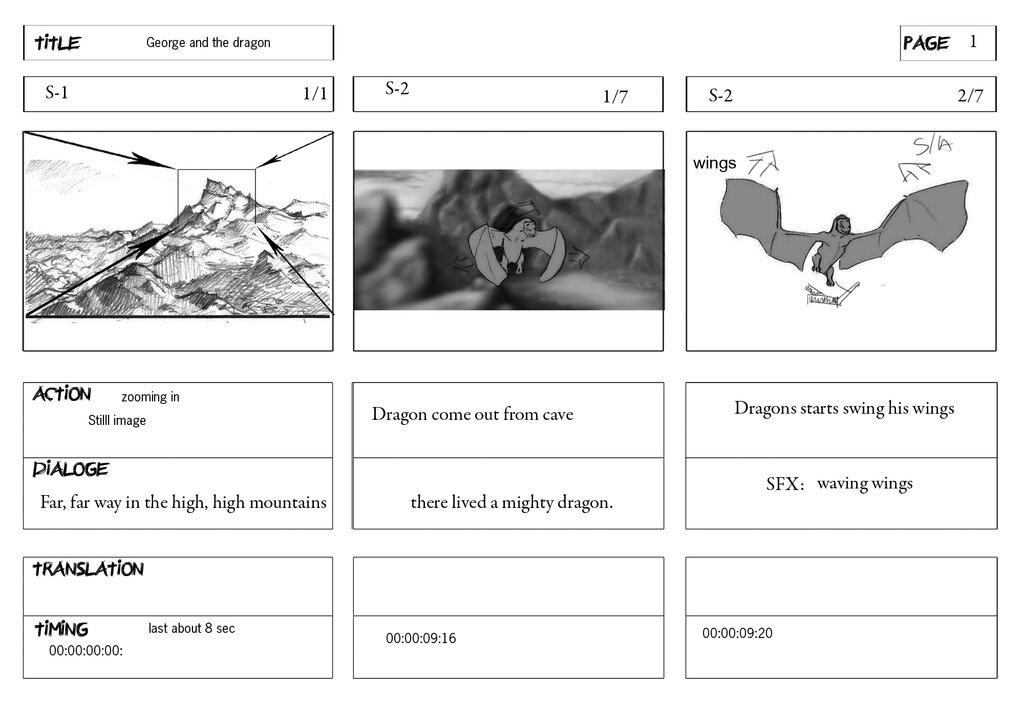
This process turns your five-chapter outline into a concrete, page-by-page plan. It ensures your pacing is right, your turning points land with impact, and your story is visually coherent before a single final illustration is drawn.
What is the primary advantage of using a five-chapter structure for a children's picture book?
How does the "Rule of Three" integrate into the five-chapter story structure?
This blueprint gives your creativity a strong foundation to build upon. With a solid structure in place, you’re free to focus on what makes a story magical: charming characters, witty dialogue, and a world a child will want to visit again and again.