Crafting Homemade Gummy Bears
Introduction to Gummy Bears
The Dancing Bear
The story of the gummy bear begins in a backyard laundry kitchen in Bonn, Germany. In 1920, a candy maker named Hans Riegel started his own company. He combined the first two letters of his first name, last name, and home city to create the name: HARIBO.
At first, Riegel made hard, colorless candies using a sugar kettle, a marble slab, and a rolling pin. But he was inspired by a popular European tradition: trained dancing bears that performed at street festivals. He wanted to create a chewy, fruit-flavored candy that children could enjoy. In 1922, he invented the Gummibär, or "rubber bear."
These early gummy bears were larger and slimmer than the ones we know today. They were an instant hit, and soon Riegel was able to trade in his bicycle for a company car to make deliveries.
An International Sensation
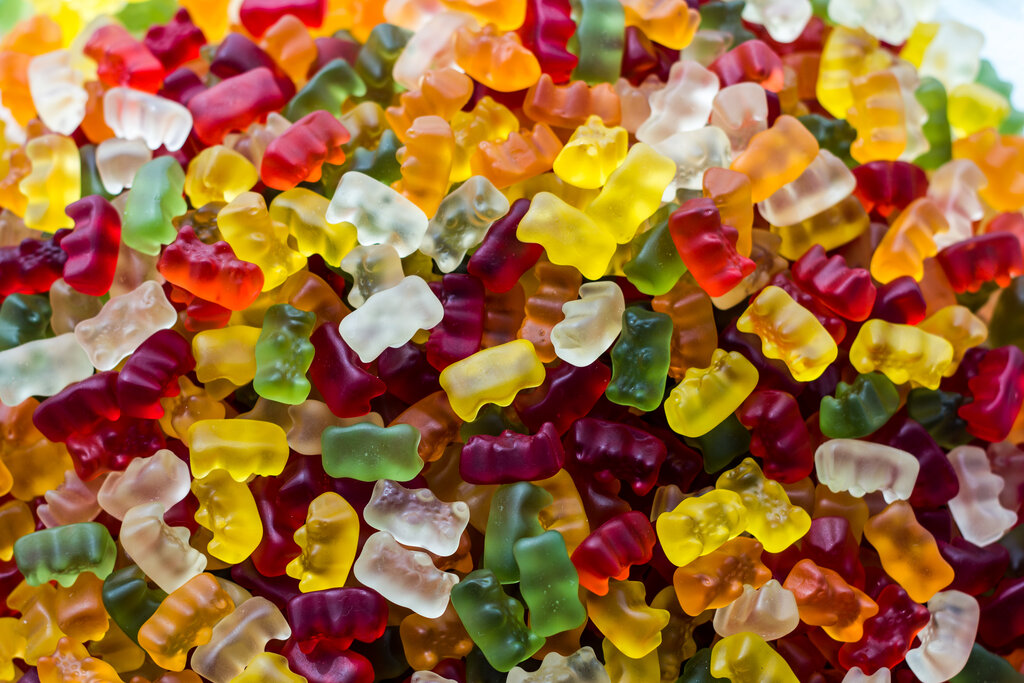
Gummy bears remained a German treat for several decades. After World War II, HARIBO began expanding across Europe. But the candy didn't reach the United States until the 1980s.
American soldiers stationed in Germany had brought the candies home, creating a niche market. Seeing an opportunity, HARIBO opened its first U.S. office in Baltimore in 1982. Other companies, like Trolli and Black Forest, soon introduced their own versions.
The candy's popularity exploded thanks to a little help from television. In 1985, Disney launched the animated series "Adventures of the Gummi Bears." The show, about a group of medieval bears with magical powers, was a massive success and cemented the candy's place in American pop culture.
A Lasting Appeal
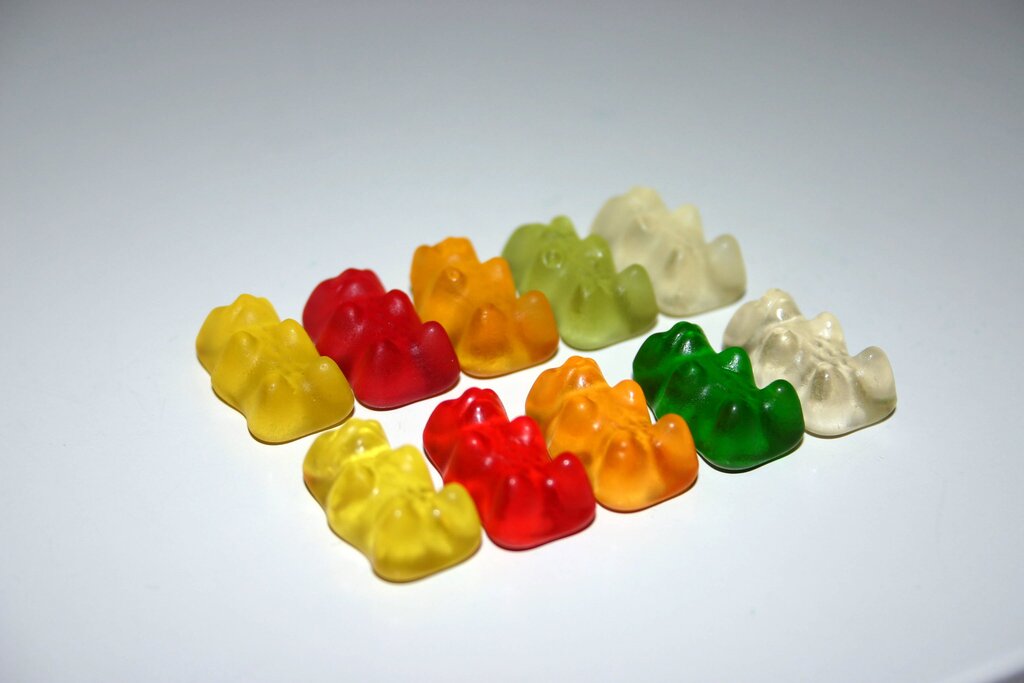
What makes gummy bears so enduring? Part of it is their unique texture. The satisfying chew is different from other candies. The bear shape is also key. It's playful and distinctive, making the candy more of an experience than a simple treat.
From their humble beginnings in a German kitchen, gummy bears have become a universally recognized symbol of simple, sweet fun.
Today, you can find gummy candies in countless shapes and flavors, from worms and rings to vitamins and supplements. But it all started with a simple idea inspired by a dancing bear.
Ready to test your knowledge?
What does the name HARIBO stand for?
What was the original inspiration for the shape of the first gummy candy?
Now that you know the history, you're ready to learn about what actually goes into making these chewy treats.