Crafting High-Performing Websites
Introduction to Web Design
What is Web Design?
Web design is the art and science of planning and creating websites. It's more than just choosing pretty colors and fonts. It's about how a website looks, feels, and, most importantly, how it works for the people using it.
A well-designed website is like a helpful guide. It anticipates what you're looking for and makes it easy to find. A poorly designed one is like a maze with no map—frustrating and quickly abandoned.

Think of it as the architecture of a digital space. An architect doesn't just decide the color of a building's walls; they design the flow of rooms, the placement of doors and windows, and ensure the foundation is solid. Web designers do the same for a site, shaping the user's entire journey.
Designing for People
At the heart of web design is User Experience, often shortened to UX. UX is the overall feeling a person has when they interact with your site. Is it easy? Is it pleasant? Do they find what they need without getting confused?
Good UX design isn't accidental. It comes from understanding the people who will visit the site. Who are they? What are their goals? A design that works for a video game news site will be very different from one that works for a bank.
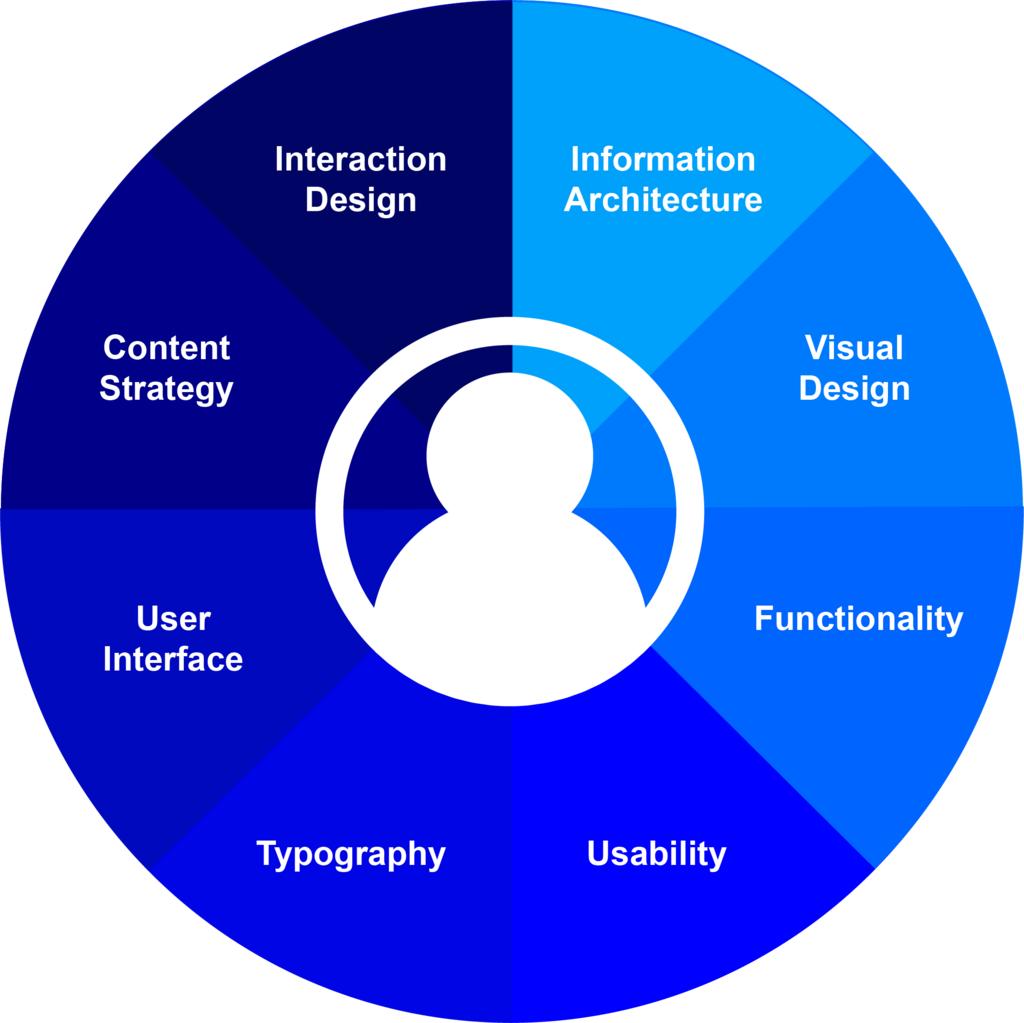
When the user experience is good, people stay longer, accomplish their tasks, and are more likely to return. When it's bad, they leave and probably won't come back.
A great website solves a problem for the user. The design should make that solution obvious and easy to reach.
Looks vs. Logic
A common challenge in web design is balancing aesthetics (how it looks) with functionality (how it works). A visually stunning website that is impossible to navigate is a failure. Likewise, a perfectly functional website that is ugly and unappealing won't inspire trust or interest.
The best designs find a sweet spot. They use visual elements like color, typography, and imagery to support the site's function. For example, a bright, prominent button isn't just a stylistic choice; it's a functional cue that tells the user, "Click here to do something important."
A truly effective website blends aesthetics with user experience (UX), responsiveness, speed, and strategic design.
Functionality should always be the foundation. First, make it work. Then, make it beautiful. A clear, easy-to-use structure is the skeleton that holds a good design together. The visual style is the skin that brings it to life.
Design with a Purpose
Every website should have a clear goal. This goal shapes every design decision. Is the purpose to sell a product? To provide information? To showcase an artist's portfolio? To build a community?
Before a single pixel is placed, designers must understand the business objectives. If the goal of an e-commerce site is to sell shoes, the design must prioritize high-quality product photos, clear pricing, and an unmissable "Add to Cart" button. The design's success is measured by how well it helps achieve that business goal.
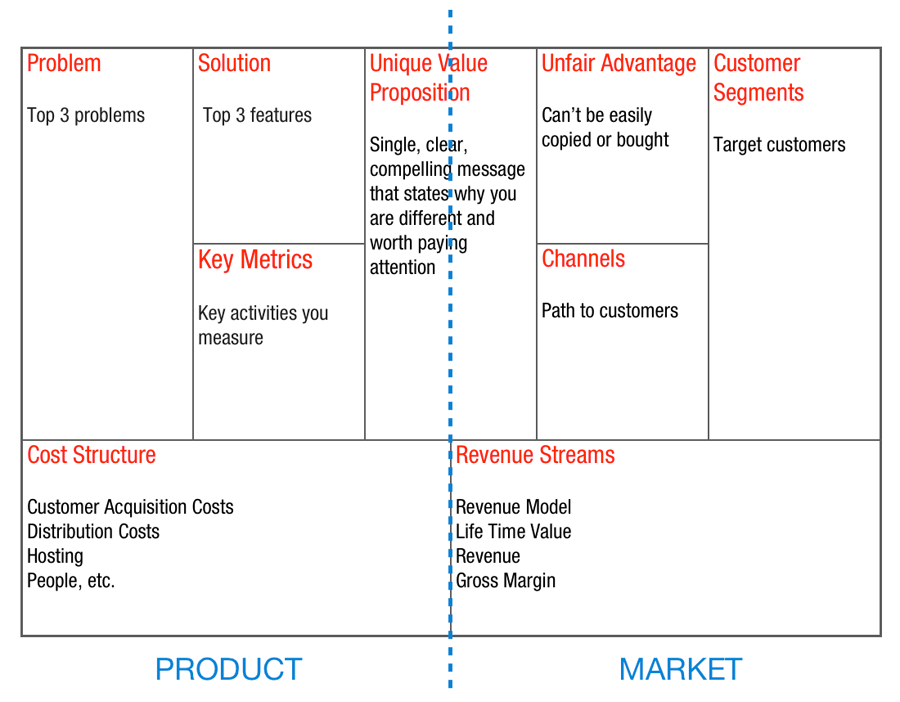
Aligning design with business goals means creating a website that is not just an online brochure, but a hard-working tool that delivers real-world results. It ensures that the creative process is grounded in strategy, turning a good-looking site into an effective one.
What is the primary focus of a well-designed website?
According to web design principles, functionality should be established before visual aesthetics.
With these foundational ideas in mind, you're ready to explore the more specific principles and practices that bring great websites to life.