Crafting Gourmet Rice Ice Cream and Gelato
Rice Varietals and Toasting
The Right Rice for the Job
Not all rice is created equal, especially when its starches and aromatics are destined for a frozen dessert. While hundreds of varieties exist, three stand out for their unique contributions to ice cream and gelato: Jasmine, Basmati, and Glutinous rice. Each offers a distinct profile that can be coaxed out and amplified.
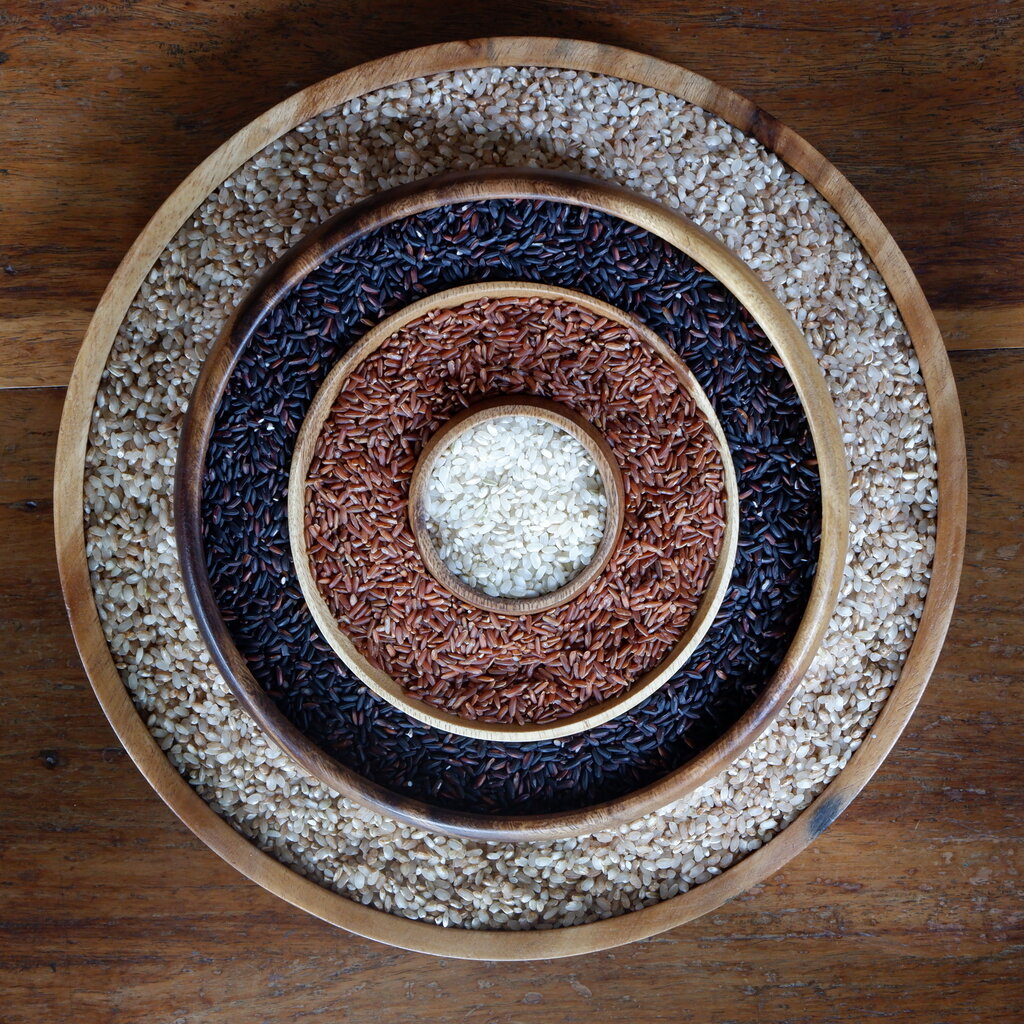
Jasmine rice, primarily from Thailand, is prized for its soft, floral aroma, often compared to popcorn. Basmati, from the Himalayan foothills, is longer-grained and offers a nuttier, more savory fragrance. Then there's glutinous rice, also called sweet or sticky rice. Despite the name, it's gluten-free. Its key feature is an extremely high concentration of a starch called , which creates a uniquely chewy, dense texture when cooked. In an ice cream base, this translates to a richer, more luxurious mouthfeel.
| Varietal | Aroma Profile | Key Characteristic | Ice Cream Application |
|---|---|---|---|
| Jasmine | Floral, popcorn-like | Soft texture, delicate aroma | Light, fragrant bases; pairs well with fruit. |
| Basmati | Nutty, earthy | Dry, separate grains | Savory-leaning profiles; great with spices like cardamom. |
| Glutinous | Neutral, slightly sweet | High amylopectin, very sticky | Adds body and a uniquely chewy texture; ideal for mochi. |
Unlocking Flavor with Heat
Infusing raw rice into a dairy base will give you a starchy, subtly sweet flavor. But to get those deep, toasty, and complex notes, you need to introduce heat before any liquid comes near it. This is done through dry-toasting, a simple technique that fundamentally transforms the grain's chemical and aromatic profile.
The process hinges on the , the same chemical transformation responsible for the browned crust on bread and the savory sear on a steak. When the amino acids and reducing sugars in the rice are heated, they create a cascade of new flavor compounds. The raw, starchy notes recede, replaced by nutty, popcorn-like, and even caramel-like aromas. This reaction is the key to turning a simple grain into a powerhouse of flavor for your ice cream base.
The goal of toasting is to achieve a pale, golden-brown color. You're looking for the moment the rice becomes intensely fragrant. Going too far will scorch the grains, introducing bitter, acrid flavors that will ruin your final product.
The Toasting Technique
Toasting rice is straightforward. Use a dry, heavy-bottomed pan over medium heat. This ensures even heat distribution and prevents hot spots that can burn the grains. There’s no need for oil or fat; this is a dry process focused entirely on the grain itself.
For richer flavor, cook grains in broth or coconut milk, or toast them briefly in oil before adding water.
Add the rice in a single layer and stir or toss it constantly. The grains will turn opaque first, then start to develop a faint golden hue. Pay close attention to the aroma. When it shifts from a raw, dusty smell to a warm, nutty fragrance, you're nearly there. The whole process takes only 3-5 minutes. Once toasted, immediately remove the rice from the hot pan to stop the cooking process and let it cool before using it for infusion.
When sourcing rice, look for brands that specify the crop year. Fresher rice will have more volatile aromatic oils, resulting in a more vibrant flavor in your final product. Specialty food stores or markets that cater to Asian or South Asian cuisines are excellent places to find high-quality Jasmine, Basmati, and Glutinous rice varieties.
Ready to test your knowledge?
Which rice variety is prized for its extremely high amylopectin content, which creates a uniquely chewy and dense texture in ice cream?
What is the key chemical transformation that occurs when dry-toasting rice, responsible for creating nutty and complex flavor compounds?
With the right selection and preparation, rice transforms from a simple side dish into a sophisticated aromatic base, laying the foundation for truly unique frozen desserts.