Crafting Felt Name Garlands
Felt Properties Selection
Choosing Your Canvas
The first decision in creating a beautiful name garland is choosing the right felt. It’s more than just picking a color. The type of felt you select dictates the garland's texture, how it hangs, and how well it will last. Each option has its own personality, and understanding them is key to bringing your vision to life.
The Three Main Types
Felt for crafting generally falls into three categories: pure wool, acrylic, and a blend of the two. Let's break down what makes each one unique.
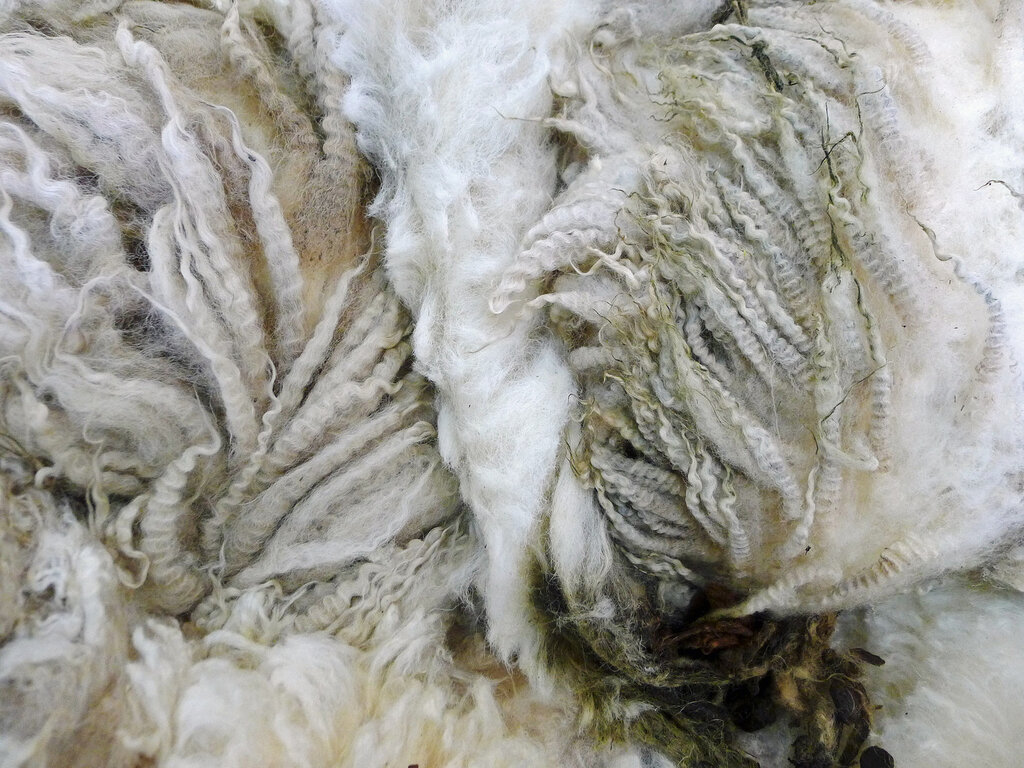
Pure wool felt is the luxury option. Made from 100% sheep's wool, its fibers are compressed together using heat, moisture, and pressure in a process called [{
}] to create a dense, soft, and incredibly durable fabric. When you cut wool felt, you get a crisp, clean edge with no fraying. It resists pilling and has a rich, natural texture that's hard to beat. Its main drawback is the cost, as it's the most expensive of the three.
Acrylic felt is the budget-friendly choice you'll find in most big-box craft stores. It's a synthetic, plastic-based fabric. While it comes in a vast array of bright colors and is great for kids' crafts or practice runs, it has some downsides. It can feel stiffer and less pliable than wool felt. It’s also prone to pilling over time, and the cut edges aren’t quite as sharp. The fibers can sometimes stretch or distort when you cut intricate shapes.
Wool blend felt is often the happy medium. Typically, it’s a mix of 20-35% wool and 65-80% or viscose. This combination offers some of the best qualities of both worlds. You get a much softer feel and better durability than pure acrylic, but at a more affordable price than pure wool. It cuts cleanly, holds its shape well, and is an excellent all-around choice for projects that need to look good and last without breaking the bank.
| Feature | Wool Felt | Acrylic Felt | Wool Blend Felt |
|---|---|---|---|
| Fiber | 100% Wool | 100% Plastic | Wool & Rayon/Viscose |
| Feel | Soft, dense | Stiff, can be scratchy | Soft, pliable |
| Durability | High, resists pilling | Low, pills easily | Medium to High |
| Cut Quality | Very crisp, no fraying | Can be fuzzy, less sharp | Crisp, clean |
| Cost | High | Low | Medium |
Factors Beyond Fiber
Beyond the type of fiber, a few other characteristics will influence your final project. Consider the felt's thickness and density. Most craft felt comes in 1mm to 3mm thicknesses. A thicker felt will give your garland letters a more substantial, plush look, but can be harder to cut for very detailed designs. A thinner felt is easier for intricate work but might feel less luxurious.
Durability and colorfastness are also important. For a garland that will be handled or exposed to sunlight, like in a child's room, choosing a felt that resists pilling and fading is crucial. Wool and high-quality blends generally perform better in this regard. The dye in cheaper acrylics can sometimes fade in direct sunlight over time.
Ultimately, the choice impacts the final aesthetic. A wool felt garland will have a soft, heirloom quality, while an acrylic one might have a brighter, more playful look. The blend offers a balanced, polished finish that suits most projects perfectly.
For a name garland that needs to be durable and soft but also affordable, which type of felt is described as the 'happy medium'?
What is a primary disadvantage of using 100% acrylic felt for detailed or intricate shapes?
Considering these properties will help you choose the perfect felt to create a garland you'll love for years to come.