Crafting Essential Oil Roll-Ons for Sale
Essential Oil Basics
What Are Essential Oils?
Essential oils are concentrated extracts that capture a plant's scent and flavor, often called its "essence." They are sourced from various parts of a plant, including the leaves, flowers, bark, roots, or fruit peel. Unlike fatty oils like olive or coconut oil, essential oils are not greasy. Instead, they are highly aromatic and volatile, which means they evaporate quickly when exposed to air, releasing their distinct scent.
Volatile
adjective
A substance that evaporates or vaporizes readily at normal temperatures and pressures.
These oils are also hydrophobic, meaning they don't mix with water. If you drop an essential oil into water, it will float on the surface as separate beads or a thin film.

It’s important to understand just how concentrated these oils are. It can take hundreds of pounds of plant material to produce a single bottle of essential oil, making them incredibly potent.
Essential oils are approximately 100 times more potent than their actual herb form.
How Oils Are Extracted
Extracting the essence from a plant without damaging the delicate aromatic compounds is a precise science. The method used depends on the type of plant material. The two most common techniques are steam distillation and cold pressing.
Essential oils are generally extracted by distillation, often by using steam.
Steam distillation is the most widely used method. In this process, steam is passed through the plant material, which vaporizes the volatile compounds. This vapor mixture of steam and oil is then cooled. As it condenses back into liquid, the oil, being hydrophobic, naturally separates from the water. The oil is collected, while the remaining aromatic water is often sold as a hydrosol, like rosewater or lavender water.
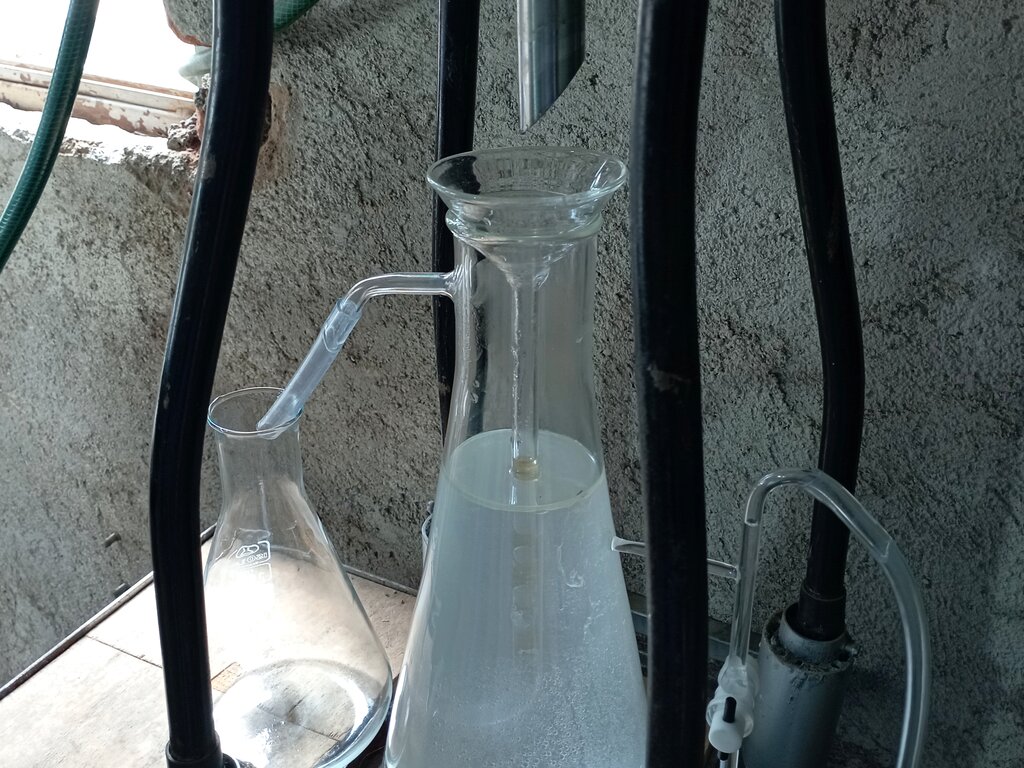
Cold pressing, also known as expression, is a mechanical method used almost exclusively for citrus peels like lemon, orange, and bergamot. Heat can damage the delicate, fresh scent of citrus oils, so this technique avoids it entirely. The rind is pricked and pressed, which ruptures the tiny pouches containing the essential oil. Water is sometimes used to help wash the oil away from the peel, and the oil is later separated from the water through centrifugation.
Therapeutic Properties
For centuries, people have used essential oils for their therapeutic and aromatic benefits. The chemical makeup of each oil determines its specific aroma and potential uses. While individual results can vary, some oils are well-known for certain properties.
| Essential Oil | Common Therapeutic Properties |
|---|---|
| Lavender | Calming, relaxing; often used to promote sleep. |
| Peppermint | Energizing, stimulating; used to improve focus. |
| Eucalyptus | Clearing, clarifying; often found in respiratory remedies. |
| Tea Tree (Melaleuca) | Cleansing, purifying; known for its skin-clearing properties. |
| Lemon | Uplifting, refreshing; used as a mood booster and cleaning agent. |
| Frankincense | Grounding, meditative; prized for its skin-rejuvenating effects. |
| Chamomile | Soothing, gentle; often used to calm irritation and stress. |
Understanding these foundational properties is the first step in learning how to work with essential oils. Each oil offers a unique combination of scent and potential benefits, derived directly from its plant source.
Ready to check your understanding?
Which property best explains why you can smell an essential oil when the bottle is opened?
The cold pressing extraction method is used almost exclusively for which type of plant material?
Now that you have a solid grasp of what essential oils are, where they come from, and their basic properties, you're ready to move on to the next steps of formulation.