Crafting Engaging YouTube Video Scripts
Understanding YouTube Audience
Who Is Your Audience?
Making a video without knowing your audience is like telling a joke in an empty room. You can have the best content in the world, but if it doesn't connect with anyone, it won't have an impact. The foundation of a successful channel isn't just what you create, but who you create it for.
If you want your audience to engage with your videos, get to know them first.
To get to know them, you need to answer two basic questions. First, who are they? This covers their demographics: age, gender, and where they live. Second, what do they want? This is their viewer intent, the reason they clicked on your video in the first place. Are they trying to learn a skill, be entertained, or solve a specific problem? Answering these questions turns your channel from a broadcast into a conversation.
Digging into the Data
You don't have to guess who your viewers are. YouTube provides a powerful set of tools to give you the answers, all housed within YouTube Analytics. This dashboard is your window into your audience's world. You can access it through YouTube Studio under the 'Analytics' tab.
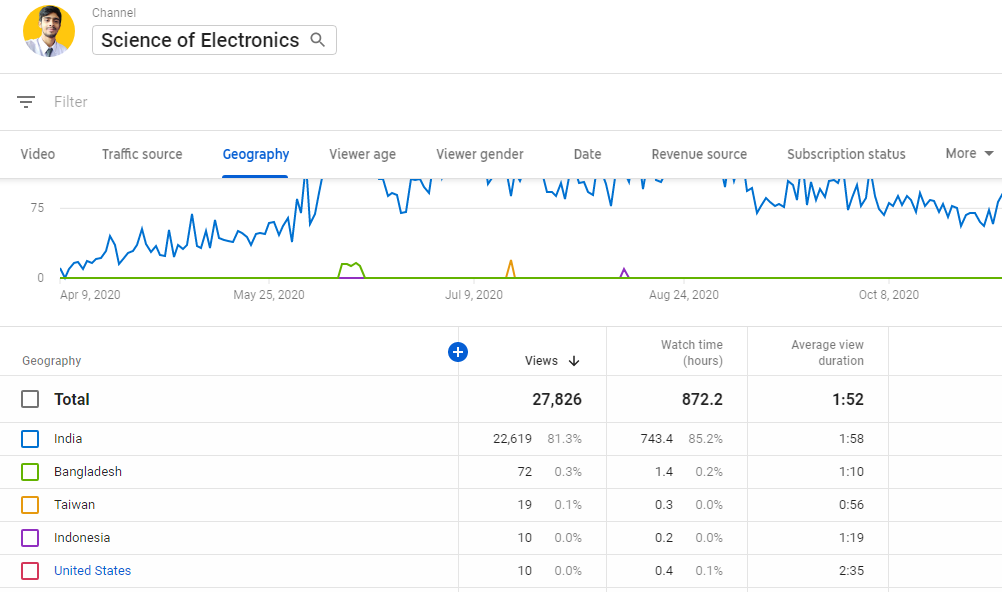
Once inside, you'll find a wealth of information. While it's easy to get lost, focus on a few key metrics to start building a clear picture of your audience.
| Metric | What It Tells You |
|---|---|
| Demographics | The age, gender, and geography of your viewers. Are you reaching your intended audience? |
| Watch Time | The total amount of time people have spent watching your videos. YouTube's algorithm values this highly. |
| Audience Retention | A graph showing what percentage of viewers are still watching at each point in a video. It helps you see where people lose interest. |
| Traffic Sources | How viewers found your videos. Did they come from YouTube search, suggested videos, or an external site? |
Consistently checking these metrics helps you understand not just who is watching, but how they are interacting with your content. A high audience retention rate, for example, is a strong signal that your video is engaging.
Defining Your Target Viewer
With data in hand, you can start to create a 'viewer persona.' This is a fictional character who represents your ideal, most common viewer. Giving this persona a name and a story makes it easier to create content that speaks directly to them.
For example, if you have a channel about urban gardening, your data might show that your typical viewer is a 25-35 year old woman living in a major city in the United States. Your persona could be 'City Sarah,' who wants to grow her own herbs but only has a small apartment balcony to work with. Every time you create a video, you can ask, 'Would this be useful for Sarah?'
This persona helps you focus. Instead of trying to please everyone, you're creating for someone specific, which paradoxically makes your content more appealing to a wider group of people who share those same interests.
Spotting Viewer Trends
Viewer preferences aren't static. What's popular today might be old news tomorrow. Recognizing trends in your own analytics is key to staying relevant.
Look at your best-performing videos. What do they have in common? Is there a particular format, topic, or style that consistently gets high watch time and engagement? That's a strong clue about what your audience wants to see more of.
Another powerful tool in YouTube Analytics is the 'Audience' tab. Here, you can find the 'Other channels your audience watches' and 'Other videos your audience watches' sections. This is market research handed to you on a silver platter. It shows you what else your viewers are interested in, helping you brainstorm new ideas that are likely to resonate.
Pay attention to these patterns. If your audience loves your videos on 'balcony tomato plants,' it's a good bet they'll be interested in a follow-up about 'container-friendly peppers.'
Now, let's review some of the key ideas we've covered.
Ready to test your knowledge?
What is the primary reason for identifying your target audience before creating video content?
A 'viewer persona' is best described as:
Understanding your audience isn't a one-time task. It's an ongoing process of listening, analyzing, and adapting. By regularly checking your analytics and keeping your viewer persona in mind, you can build a channel that not only grows, but also creates a loyal community.