Crafting Engaging Bengali Blogs on Procrastination
Understanding Procrastination
The Act of Delay
Everyone puts things off sometimes. You might delay responding to an email or wait until tomorrow to do the laundry. That’s not necessarily procrastination. It’s simply postponing a task.
Procrastination
noun
The action of voluntarily and unnecessarily delaying or postponing something despite knowing there will be negative consequences for doing so.
The key difference is the combination of voluntary delay and expected negative outcomes. You know that putting off your work will cause stress, result in a lower quality outcome, or disappoint others, yet you do it anyway. This is where simple postponement turns into a self-defeating behavior pattern.
Procrastination isn't a time management problem. It's an emotional regulation problem.
The Psychology Behind It
So, if we know it's bad for us, why do we procrastinate? The answer lies in our brain's desire to avoid negative feelings. When faced with a task that makes us feel anxious, bored, insecure, or resentful, our instinct is to seek relief. Putting the task off provides a temporary escape from those unpleasant emotions.
Several psychological factors feed this cycle:
-
Perfectionism: The all-or-nothing mindset can be paralyzing. If you feel you can't do a task perfectly, the anxiety of falling short can make it easier to not start at all. The pressure to produce flawless work from the very beginning is a common trigger.
-
Fear of Failure (or Success): Delaying a task protects you from the possibility of a negative judgment. If you don't try, you can't fail. Similarly, a fear of success can also lead to procrastination. The higher expectations and increased responsibility that come with success can be intimidating.
-
Decision Fatigue: When a task involves too many choices or has an unclear starting point, it's easy to feel overwhelmed. Deciding how to start can feel like a monumental task in itself, leading you to put off the whole thing.
-
Task Aversiveness: Sometimes, the task is just plain unpleasant. It might be boring, tedious, or difficult. Your brain naturally shies away from this discomfort, opting for a more immediately gratifying activity, like scrolling through social media.
Impact on Daily Life
Chronic procrastination isn't just about missing a few deadlines. It can have a significant impact on your life. On a practical level, it harms productivity, can damage your professional reputation, and leads to rushed, subpar work. You miss out on opportunities because you wait too long to act.
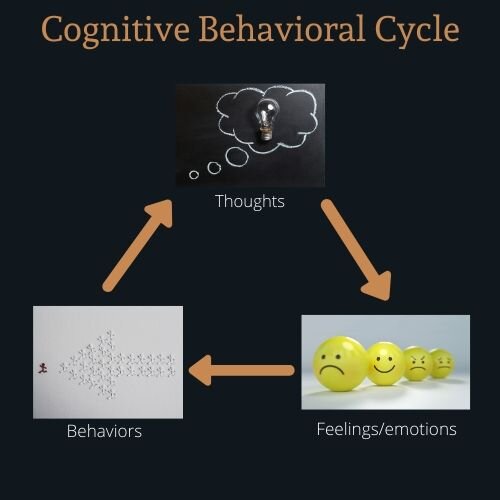
Mentally and emotionally, the effects can be even more corrosive. The temporary relief of putting something off is quickly replaced by feelings of guilt, shame, and anxiety. This creates a stressful cycle: you feel bad for procrastinating, and that negative feeling makes it even harder to start the task. Over time, this can erode self-esteem and contribute to serious mental health issues like depression and anxiety.
| Common Trigger | Procrastinator's Thought | Avoidance Behavior |
|---|---|---|
| A large, complex project | "I don't even know where to begin." | Cleaning the entire house instead. |
| A task requiring difficult decisions | "I'll make the wrong choice." | Endlessly researching options without deciding. |
| A boring, repetitive task | "This is going to be so tedious." | Watching one more episode of a show. |
| Fear of negative feedback | "Everyone will think my work is terrible." | Waiting until the last possible minute to submit. |
Recognizing these patterns is the first step. By understanding that procrastination is a response to challenging emotions, you can begin to address the root cause rather than just the behavior.