Crafting Effective Research Problem Statements
Understanding Research Problem Statements
The Heart of the Inquiry
Every research project, from a simple school assignment to a groundbreaking scientific study, begins with a single, powerful idea: the problem statement. Think of it as the foundation of a house. Without a solid, well-defined foundation, anything you build on top of it will be unstable.
A problem statement is a short, clear explanation of an issue or challenge that sums up what you want to change.
Essentially, a research problem statement pinpoints a specific issue, a gap in current knowledge, or a contradiction that needs resolving. It answers the fundamental questions: What is the issue, and why does it matter? It doesn't propose a solution—that comes later. Its job is to convince the reader that a problem truly exists and is worth investigating.
problem statement
noun
A concise description of an issue to be addressed or a condition to be improved upon. It identifies the gap between the current state and the desired state of a process or product.
A Compass for Your Research
A well-crafted problem statement does more than just identify an issue. It acts as a guide—a compass—for the entire research journey. It sets the boundaries for your study, ensuring you don't get lost exploring interesting but irrelevant side paths. This is often called defining the scope of the research.
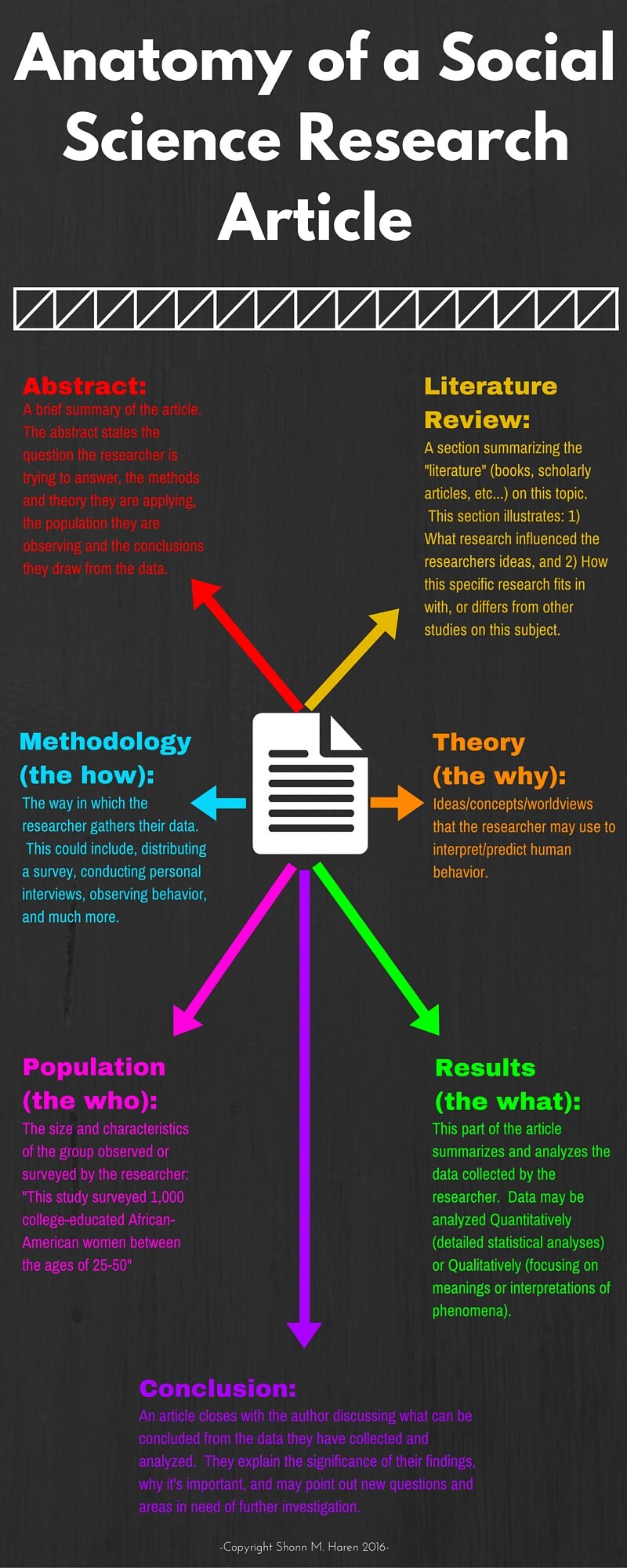
When you have a clear and focused problem statement, every subsequent decision becomes easier. It helps you determine the right research design, the appropriate methods for collecting data, and the best way to analyze your findings. Without this focus, a project can become a scattered collection of facts that don't lead to a meaningful conclusion. The goal is to be precise. A vague statement leads to vague research and, ultimately, vague results.
Clarity is key. If your problem statement is confusing or overly broad, your entire research project will lack direction.
Think of it this way: a statement like "Social media is bad for society" is too broad. It’s an opinion, not a researchable problem. A better, more focused problem statement might be: "Excessive daily use of image-based social media platforms correlates with increased body dissatisfaction among teenagers aged 14-17." This version is specific, measurable, and sets a clear direction for an investigation.
This precision ensures that your work stays relevant and has the potential to make a real impact. It transforms a general curiosity into a focused, systematic inquiry.