Crafting Effective Project Briefs
Introduction to Project Briefs
What Is a Project Brief?
Before you start any project, whether it's designing a website, planning an event, or building a shed, everyone involved needs to agree on what you're actually doing. That's where a project brief comes in. It’s a short, high-level document that outlines the most important parts of a project.
Think of it as the project's elevator pitch. It’s not the full, detailed plan with every single task listed. Instead, it provides a quick, clear summary of the project's purpose, what you're trying to achieve, and what the final result should be. It gives everyone a shared starting point.
A project brief is a concise document that outlines the objectives, scope, and key details of a project.
This document ensures that the client, the project team, and any other key stakeholders are all on the same page from day one. It serves as a compass, guiding the project in the right direction before the heavy lifting begins.
Why Bother With a Brief?
The main purpose of a project brief is to create alignment. Miscommunication is one of the biggest reasons projects fail. One team member might think the goal is to create a low-cost prototype, while a stakeholder is expecting a polished, market-ready product. These different expectations lead to wasted time, frustration, and often, project failure.
A project brief prevents this chaos. By clearly stating the project's goals and scope upfront, it acts as a single source of truth. If anyone is ever unsure about the project's direction, they can refer back to the brief. This simple act of writing things down forces clarity and brings hidden assumptions to the surface before they can cause problems.
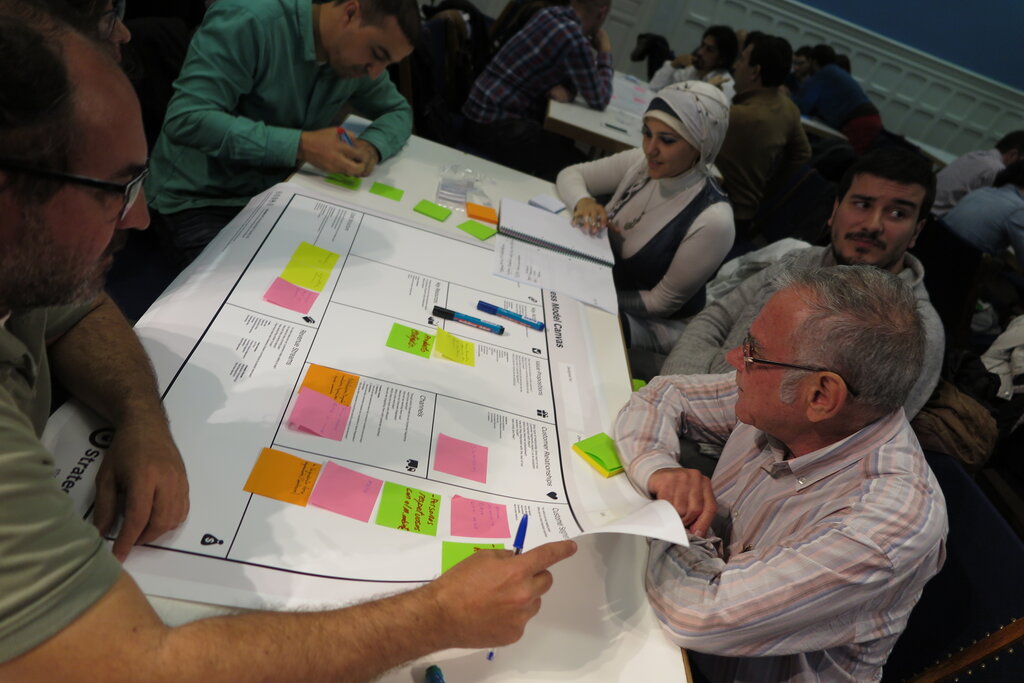
This document is the foundation upon which the more detailed project plan is built. Without a solid brief, you're essentially building on shaky ground. It’s a small investment of time at the beginning of a project that pays off significantly by preventing major headaches later on.
The Benefits of Clarity
Using a project brief brings several key advantages, all stemming from its core function of providing clarity.
First, it gives the entire team clarity and focus. Everyone understands the 'what' and 'why' behind their work. This clarity helps in making better decisions throughout the project lifecycle.
Second, it ensures team alignment. With a shared understanding of the project's objectives and scope, team members and stakeholders can work together more harmoniously, reducing friction and misunderstandings.
Finally, it boosts efficiency. When people are clear on the goals, they are less likely to work on tasks that are out of scope or don't contribute to the desired outcome. This saves time, money, and effort, keeping the project on track.
In short, a project brief is a powerful tool for turning a vague idea into a well-defined project ready for execution.
Now, let's test your understanding of these core concepts.
What is the primary role of a project brief?
A well-written project brief is most effective at preventing which common project management problem?
By establishing a clear and agreed-upon direction from the start, a project brief sets the stage for success.