Crafting Effective Project Briefs
Introduction to Project Briefs
Your Project's North Star
Before starting a journey, you look at a map. Before cooking a new dish, you scan the recipe. And before kicking off a project, you create a project brief. It's the foundational document that gives everyone a clear, high-level overview of what you're trying to achieve, why it matters, and who is involved.
A project brief acts as a key communication tool that outlines the project’s objectives, goals, and scope, and helps to ensure everyone involved is on the same page.
Think of it as your project's North Star. It's not a detailed, step-by-step plan. Instead, it’s a concise summary that keeps the entire team oriented and moving in the same direction. When questions or confusion arise later, the brief is the first place everyone turns to for clarity. Its main job is to create alignment from the very beginning.
What Goes Inside
A good project brief doesn't need to be long, but it does need to be comprehensive. It answers the big questions so there's no guesswork down the line. While the exact format can vary, most effective briefs contain a few essential ingredients.
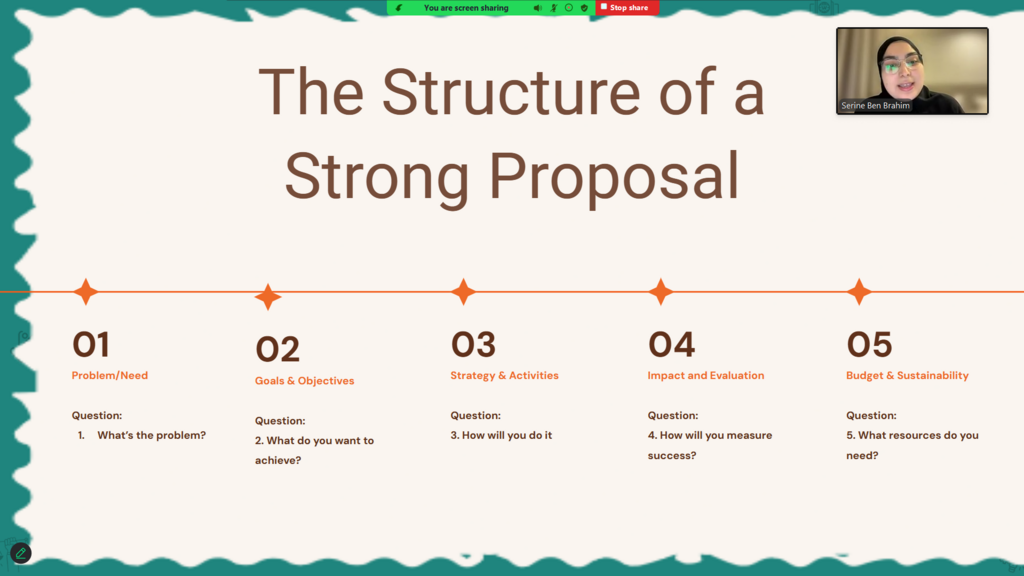
These are the core components:
- Objectives and Goals: What problem are you trying to solve? What is the desired outcome? This section defines success in clear, measurable terms.
- Scope: What's included in the project, and just as importantly, what isn't? Defining the boundaries prevents "scope creep," where a project slowly expands beyond its original goals.
- Stakeholders: Who are the key players? This includes the project team, the client, and anyone else who has a vested interest in the outcome. Knowing the audience is crucial for communication.
- Success Metrics: How will you know if you've succeeded? This could be anything from a 10% increase in user sign-ups to launching a new feature by a specific date. Clear metrics make it easy to evaluate the project's impact.
Brief vs. Other Documents
The world of project management has a lot of documents, and it's easy to get them mixed up. A project brief is distinct from other common documents like the project charter and the creative brief.
A project brief is a summary. A project charter is an authorization. A creative brief is a guide for creative work.
A project charter is a more formal document. It officially authorizes the project's existence and gives the project manager the authority to apply resources to project activities. It’s often created before the brief and is used to secure buy-in from senior leadership.
A creative brief is more specialized. It’s used specifically for creative projects (like an advertising campaign or a website redesign) and focuses heavily on the target audience, tone of voice, and key message. While a project brief covers the what and why, a creative brief dives deeper into the who and how of the messaging.
| Document | Primary Purpose | Audience | Level of Detail |
|---|---|---|---|
| Project Brief | Align the team and stakeholders | Project team, internal stakeholders | High-level summary |
| Project Charter | Formally authorize the project | Senior management, project sponsor | High-level, formal |
| Creative Brief | Guide creative development | Marketing/creative teams | Specific, detailed on creative aspects |
Now that you know what a project brief is and why it's so important, let's test your knowledge.
What is the primary purpose of a project brief?
Which component of a project brief is most crucial for preventing 'scope creep'?
With a solid brief in hand, everyone involved has a shared understanding of the project, setting the stage for smoother execution and a successful outcome.