Crafting Effective Project Briefs
Introduction to Project Briefs
What Is a Project Brief?
Before starting any project, whether it's designing a website, planning an event, or building a new product, everyone involved needs to be on the same page. A project brief is the document that makes this happen. Think of it as the project's North Star, a short, clear guide that outlines what the project is, what it aims to achieve, and why it matters.
A project brief is a concise document that highlights the key elements of a project.
It’s not a detailed, exhaustive plan with every task listed. Instead, it provides a high-level overview. The goal is to give stakeholders, team members, and clients a quick understanding of the project's core purpose and scope. It's the foundational document that all future decisions and detailed plans will build upon.
Why Bother With a Brief?
Creating a project brief might seem like an extra step, but it’s one of the most important actions you can take to ensure a project's success. Its main purpose is to establish clarity and alignment from the very beginning. When everyone agrees on the objectives and scope upfront, you avoid confusion, misunderstandings, and wasted effort down the line.
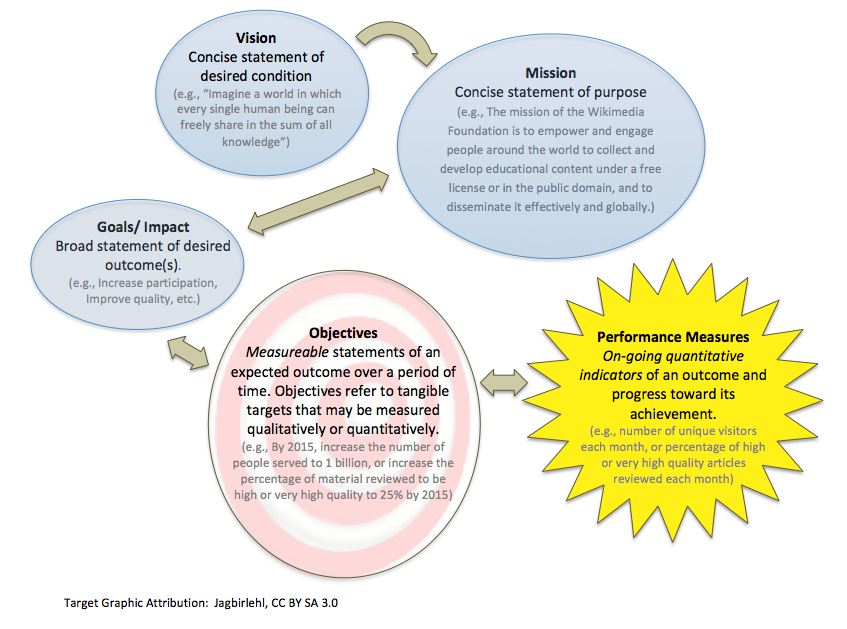
Without a brief, team members might have different ideas about what they're supposed to be doing. One person might think the goal is to increase user engagement by 10%, while another believes the focus is on reducing customer support tickets. This misalignment can lead to conflicting work and missed goals. The brief acts as a single source of truth that everyone can refer back to throughout the project's lifecycle.
The project brief sets a clear vision for the work and creates alignment so everyone knows what to expect and how they'll be involved.
The Payoff of a Good Brief
A well-crafted project brief delivers several key benefits. First, it provides clarity and focus. By defining the project's objectives and scope, it helps the team concentrate on what truly matters and avoid getting sidetracked by secondary tasks.
Second, it improves stakeholder alignment. The brief ensures that everyone, from the project team to senior leadership, shares a common understanding of the project's goals and success criteria. This makes it easier to get buy-in and support.
A clear brief also helps prevent "scope creep," which is when a project's requirements expand beyond what was originally agreed upon. By setting clear boundaries, the brief keeps the project on track and within budget.
Finally, a good brief empowers the team to make better, faster decisions. When a question or a new idea comes up, the team can consult the brief to see if it aligns with the project’s core objectives. This saves time and ensures that the project consistently moves in the right direction.
What is the primary purpose of a project brief?
A project brief can be best described as the project's...
In short, the project brief is a small document with a big impact. It’s the essential first step in turning a good idea into a successful reality.