Crafting Effective Project Briefs
Introduction to Project Briefs
The Project Blueprint
Before a single task begins, every project needs a North Star. That's the project brief. It's a short, clear document that spells out the what, why, who, and when of a project. Think of it as the foundational agreement for everyone involved, from the team doing the work to the stakeholders funding it.
The main goal of a project brief is alignment. It ensures everyone shares the same understanding and is working towards the same outcome.
This document isn't meant to be exhaustive. It’s a high-level overview, not a detailed instruction manual. It provides just enough information to get the project started on the right foot, leaving the finer details for later planning stages.
Key Components
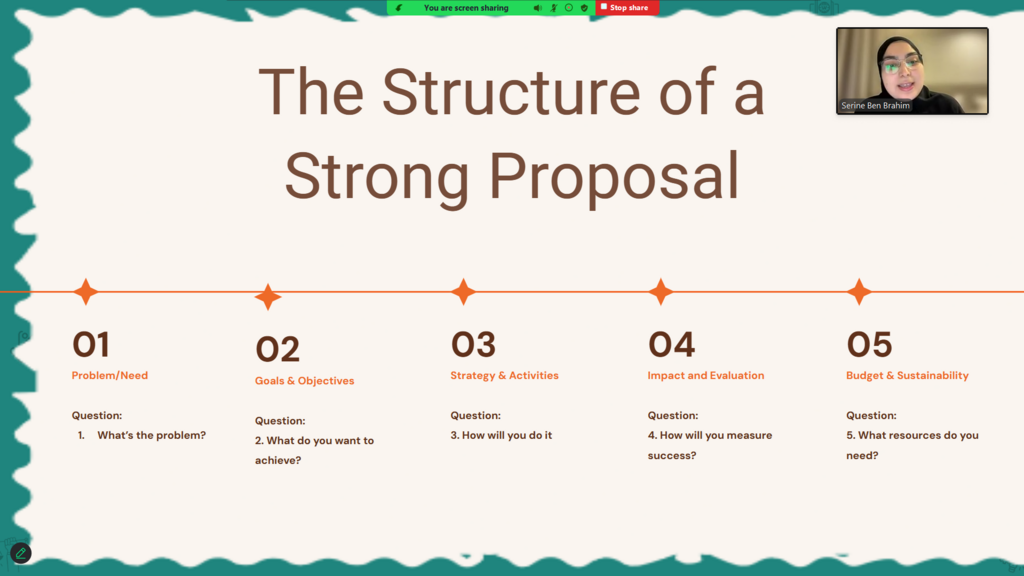
While the exact format can vary, most effective project briefs contain the same core ingredients. Each piece answers a critical question, building a complete picture of the project's intent.
| Component | What it Answers |
|---|---|
| Goals & Objectives | What are we trying to achieve? Why is this project important? |
| Scope | What work is included? What is specifically not included? |
| Deliverables | What tangible things will be produced? (e.g., a report, a website feature) |
| Target Audience | Who is this project for? |
| Stakeholders | Who are the key people involved? (e.g., team members, clients) |
| Timeline & Milestones | What is the overall deadline? What are the major checkpoints along the way? |
| Budget | How much money and what resources are allocated to this project? |
Getting these elements down on paper forces clarity and encourages critical thinking before any resources are committed.
Why It Matters
Skipping the project brief is like starting a road trip without a map. You might get somewhere, but it probably won’t be where you intended to go, and you'll waste a lot of gas getting there. A well-crafted brief acts as a guardrail for the project.
First, it prevents "scope creep"—the tendency for a project to expand beyond its original goals. When a new idea comes up, the team can look at the brief and ask, "Does this help us achieve our stated objectives?" If not, it's set aside. This saves time, money, and frustration.
Second, it serves as a single source of truth. When questions arise or disagreements occur, the brief is the document everyone can turn to for clarification. It reduces misunderstandings and keeps the team focused and moving in the same direction.

Now, let's test your understanding of these core concepts.
What is the primary role of a project brief at the start of a project?
A project brief is most effective at preventing 'scope creep' because it serves as a...
Ultimately, a project brief is a small investment of time that pays huge dividends in clarity and efficiency.