Crafting Effective Project Briefs
Understanding Project Briefs
The Project Blueprint
Before building a house, you need a blueprint. Before cooking a new dish, you need a recipe. And before starting a project, you need a project brief. It’s a short, clear document that outlines the most important information about a project, ensuring everyone from designers to stakeholders is working from the same set of plans.
A project brief acts as a key communication tool that outlines the project’s objectives, goals, and scope, and helps to ensure everyone involved is on the same page.
Think of it as the project's single source of truth. It's not a detailed, step-by-step plan, but rather a high-level guide. It answers the big questions—what are we doing, why are we doing it, and what does success look like? This simple document prevents misunderstandings and keeps the team focused on the same target.
Key Components
A good project brief doesn't need to be long, but it does need to be comprehensive. It should include a few essential elements to provide a complete picture of the project.
Here's a breakdown of these four pillars:
-
Objectives: This is the core purpose of the project. What is the main goal you are trying to achieve? An objective might be to "increase user engagement" or "reduce operational costs."
-
Scope: This defines the boundaries of the project. It clarifies what tasks are included and, just as importantly, what is not included. A clear scope prevents "scope creep," where a project slowly expands beyond its original goals, wasting time and resources.
-
Deliverables: These are the tangible things the project will produce. Deliverables are specific and concrete. Examples include a new mobile app, a series of marketing videos, or an updated employee handbook.
-
Success Metrics: How will you know if the project succeeded? Metrics are the measurable indicators that tell you if you've met your objectives. For an objective like "increase user engagement," a success metric could be "a 15% increase in daily active users within three months."
The Power of Alignment
The main benefit of a project brief is alignment. When everyone agrees on the objectives, scope, deliverables, and metrics from the very beginning, the entire project runs more smoothly. It serves as a constant reference point, keeping the team on track and focused on the shared goal.
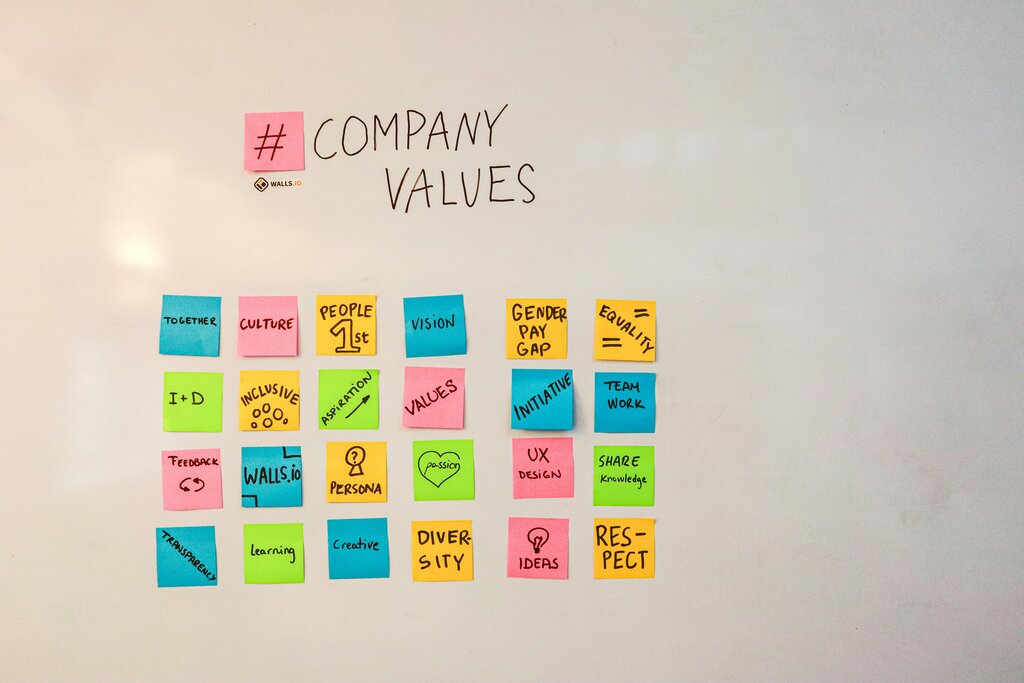
A clear brief empowers the team. It gives them the context they need to make smart decisions without constant supervision. It also makes communication with stakeholders much easier, as everyone is working with the same information. This clarity prevents confusion, reduces rework, and ultimately leads to better, more successful projects.
Let's check your understanding of these core concepts.
What is the primary function of a project brief?
A project's goal is to "Increase customer satisfaction." Which of the following is the best example of a Success Metric for this objective?
In short, a project brief is a small document with a big impact. It’s the first step in turning a good idea into a successful reality.