Crafting Effective Problem Statements
Introduction to Problem Statements
Pinpointing the Problem
Before you can solve a problem, you need to know exactly what it is. This seems obvious, but it's a step that’s often rushed. A problem statement is a clear, concise description of an issue that needs to be addressed. It's not a complaint or a wish, but a focused sentence or two that frames the challenge.
Think of it like a doctor diagnosing an illness. Before prescribing a treatment, they must first identify the specific ailment. A vague symptom like "I don't feel well" isn't enough. They need to know the precise problem to find the right solution.
The main purpose of a problem statement is to gain clarity and focus. It transforms a fuzzy feeling that something is wrong into a concrete, actionable challenge. This shared understanding is crucial for anyone involved, whether it's a team at work, a researcher, or just you trying to tackle a personal project.
A well-defined problem sets the stage for effective solutions.
A Compass for Your Project
In any project or research study, the problem statement acts as a guide. It's the North Star that keeps all efforts directed toward a specific goal. Without it, a project can easily drift off course, wasting time and resources on irrelevant tasks. It ensures everyone on the team is pulling in the same direction.
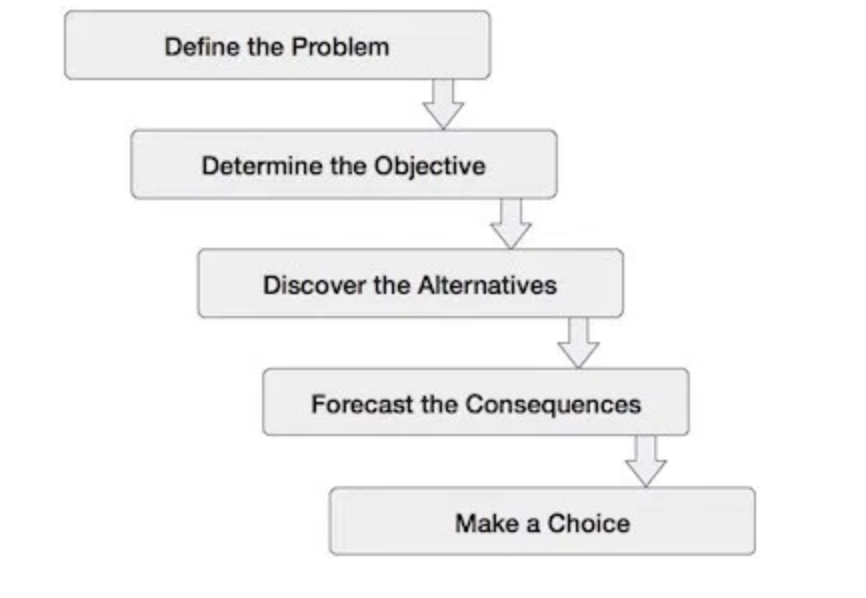
This guiding role is vital. A good problem statement helps set the boundaries of a project. It clarifies what's in scope and what's out of scope. For a researcher, it defines the exact question their study will answer. For a business team, it specifies the customer pain point they aim to solve.
By clearly articulating the issue from the start, a problem statement prevents misunderstandings and aligns all stakeholders around a common purpose. It's the foundation upon which all successful solutions are built.
Time to check your understanding of these core ideas.
What is the primary purpose of a problem statement?
A well-crafted problem statement helps to define a project's scope by clarifying what is included and what is excluded.
Now that you understand what a problem statement is and why it's so important, you're ready to learn how to write one effectively.